
Uganda heads into presidential and parliamentary elections on 15 January 2026 under conditions that strongly favor the incumbent and constrain the opposition’s ability to campaign and mobilize. The Electoral Commission has formally set the polling date and published a roadmap and polling-date notices, providing procedural certainty while the political environment remains contested.
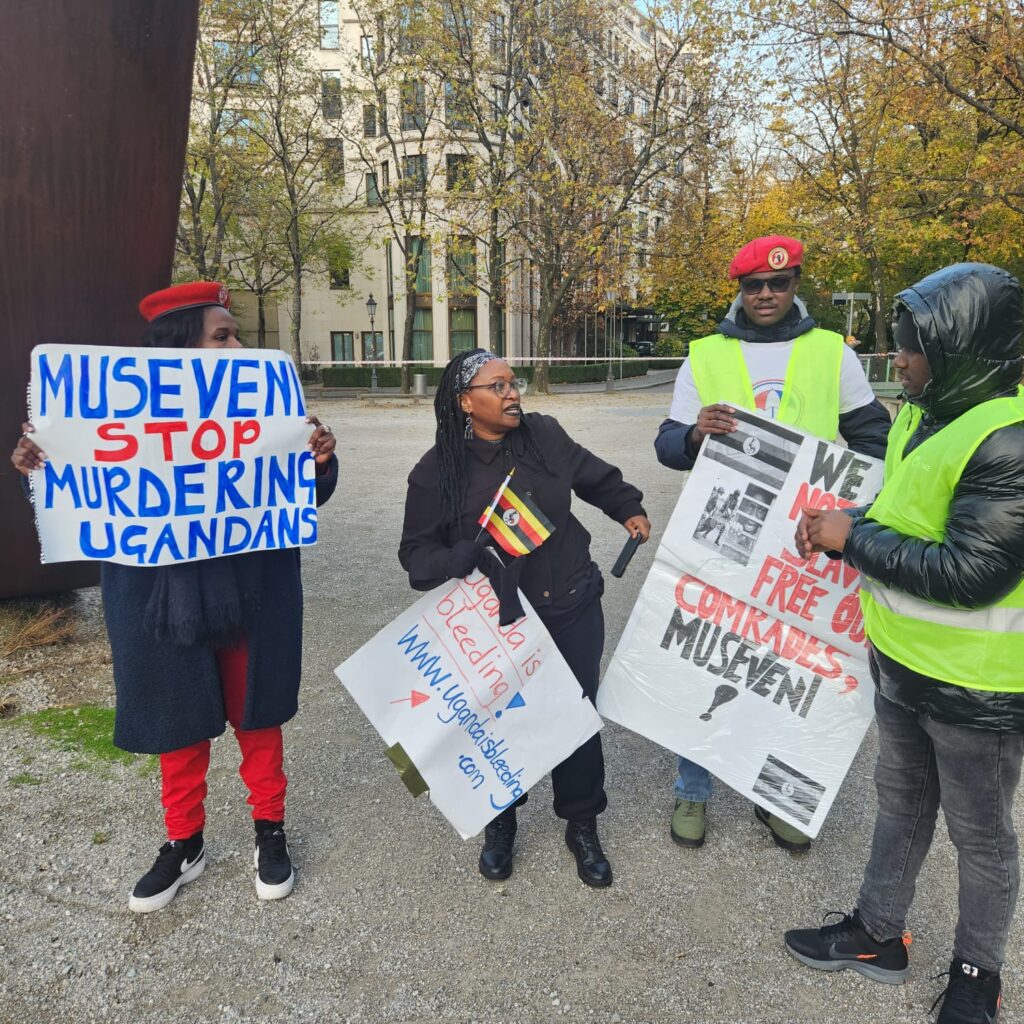
The dominant feature of the pre-election period is securitization: restrictions on assembly and media, and repeated allegations of violent disruption of opposition events. Reuters reports a government ban on live broadcasts of riots and “unlawful processions” ahead of the vote—framed as public order policy but criticized as information control. Amnesty International has described a “brutal campaign of repression” against opposition supporters, including arbitrary arrests and excessive force. AP reporting similarly details frequent security-force action against opposition rallies and a climate of intimidation.
In practice, this means the election is taking place in a formal electoral framework with limited political competition—a familiar pattern in Uganda’s recent cycles.
Candidates and their chances to win
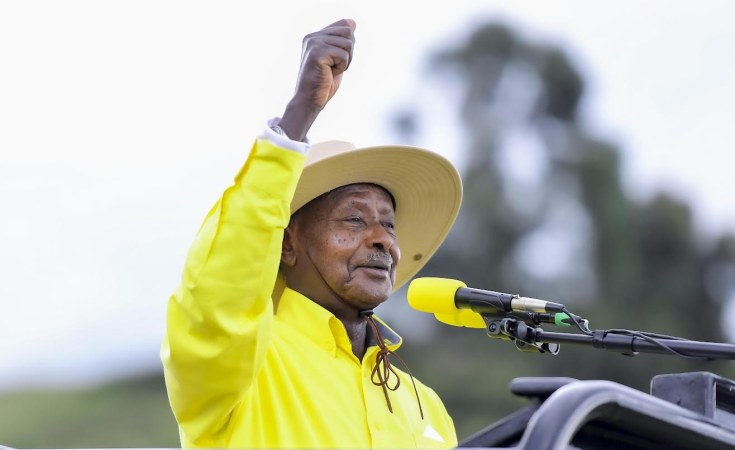
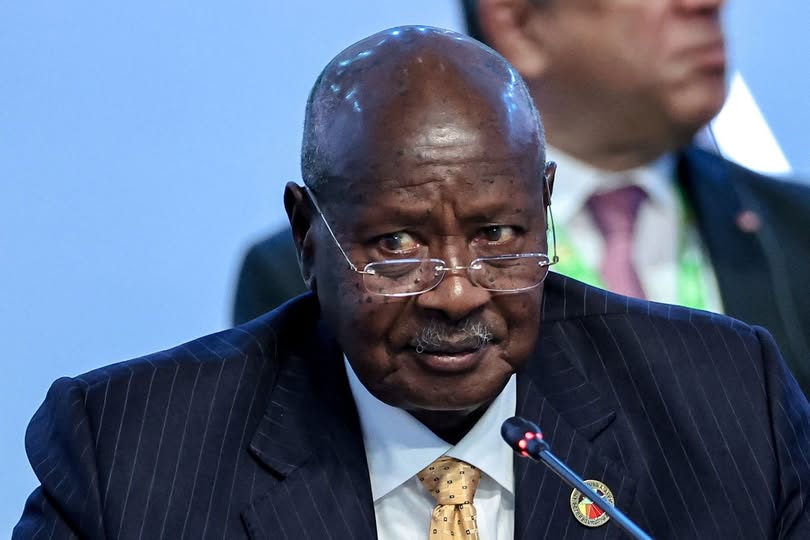
Yoweri Museveni (NRM) — incumbent, institutional advantage
President Yoweri Museveni (in power since 1986) is seeking another term after constitutional changes over past years removed constraints such as age limits, enabling extended rule. His core advantages are structural:
- control of state machinery and security services
- deeper financing networks via the ruling NRM
- incumbency advantages in rural mobilization and patronage
Probability of victory: high, primarily because of institutional dominance rather than electoral popularity alone.
Bobi Wine (Robert Kyagulanyi, NUP) — main challenger, youth/urban base
Bobi Wine is widely treated as the primary opposition challenger. Reuters notes he took about 35% in 2021 and is campaigning again amid repeated detentions of supporters and disruptions of rallies. His platform blends anti-corruption messaging, human rights themes, and—importantly this cycle—economic-nationalist framing around oil deals (he has pledged to review oil agreements if elected).
Probability of victory: meaningful but structurally disadvantaged. His path requires (a) turnout surge, (b) unusually strong vote protection, and (c) reduced interference—conditions not currently evident given the reported crackdown.
Other contenders — marginal impact at presidential level
Other names circulate (including opposition figures and smaller-party candidates), but the election dynamics described in major reporting indicate a binary contest: Museveni vs. Bobi Wine, with others unlikely to change the outcome materially.
Who supports them
Museveni / NRM coalition
- security establishment and ruling-party patronage networks
- business interests tied to state contracts and the coming oil economy
- conservative rural blocs that prioritize stability and continuity
Bobi Wine / NUP coalition
- urban voters (Kampala and surrounding areas), youth, and reformist constituencies
- segments of civil society and diaspora networks
- protest voters in regions where state coercion and economic hardship are salient
Reuters and AP reporting on arrests and violence around NUP campaigning underscores that the state treats this coalition as the main threat.
Uganda 2026 Presidential Election: Candidate Probability Table
| Candidate | Estimated Probability of Victory | Primary Pathways to Power | Key Supporting Actors | Critical Trigger Events | Risk Indicators |
| Yoweri Museveni (NRM) | High (65–75%) | • Incumbency advantage • Control of security forces • Administrative leverage (Electoral Commission, courts) • Rural patronage networks | • Uganda People’s Defence Force (UPDF) • Police & intelligence services • NRM party machinery • Business elites linked to state contracts & oil sector | • Pre-election tightening of security laws • Restrictions on opposition rallies/media • High rural turnout managed through local elites | • Post-election legitimacy crisis • Urban protest escalation • Long-term youth alienation |
| Bobi Wine (NUP) | Medium–Low (20–30%) | • Massive urban & youth turnout • Cross-regional protest vote • Electoral overperformance overwhelming manipulation capacity | • Urban voters (Kampala, Wakiso) • Youth & informal sector • Diaspora networks • Civil society activists | • Reduced repression during campaign (unlikely) • Successful vote protection at polling stations • Security elite neutrality or fragmentation | • Violent crackdown on supporters • Arrest of senior NUP figures • Internet/media shutdown |
| Other candidates | Very Low (<5%) | • Fragmentation of major camps • Elite bargaining or endorsement shift | • Minor parties • Regional political figures | • Sudden withdrawal or incapacitation of main candidates (low probability) | • Marginalization post-election |
| Extra-institutional outcome (not a candidate) | Low but consequential (10–15% risk) | • Election result rejection • Mass protests • Security overreaction • Prolonged unrest | • Urban youth • Opposition activists • Security forces as decisive arbiters | • Large-scale protest deaths • Arrest of opposition leadership • Emergency rule declarations | • Sustained instability • International condemnation • Militarization of politics |
Interpretive Notes
Museveni’s probability is structural, not popularity-based. It depends on control, not persuasion.
- Bobi Wine’s path is narrow and requires multiple favorable conditions simultaneously — historically absent.
- Ethnic dynamics act as risk multipliers, not deterministic voting blocs; exclusion narratives may intensify post-vote.
- The highest instability risk occurs after the vote, not during it.
The most probable outcome is incumbent victory with contested legitimacy. The most dangerous scenario is a blocked opposition surge followed by violent repression, especially in urban centers. Elections are unlikely to resolve Uganda’s political conflict; they are more likely to restructure it into prolonged confrontation.
Ethnic factor in the elections
Ugandan politics is not “purely ethnic voting,” but ethnicity shapes elections through regional patronage, historical grievances, and perceptions of inclusion.
- Museveni’s long rule has embedded a system of distributive politics where regions and local elites weigh access to state resources and protection.
- Opposition strength is often highest in urban and youth-heavy areas, where identity politics is partly replaced by “governance vs. regime” polarization.
- Academic work on Uganda shows ethnicity can matter both directly and indirectly—through clientelism and voter expectations of group-linked benefits—without reducing elections to simple tribal blocs.
Risk point: If the process is perceived as closed, communities may interpret outcomes through a lens of regional/identity exclusion, which can intensify localized tension even if the national picture remains controlled.
Foreign actors and external interests
Foreign actors are relevant less because they “pick candidates,” and more because Uganda’s election sits at the intersection of security partnerships, regional conflict dynamics, and oil-era economics.
a) Western governments (US/EU/UK)
Bobi Wine has criticized Western governments for continuing cooperation with Museveni despite human rights concerns, arguing interests outweigh democracy promotion. Western policy has historically balanced:
- security cooperation (counterterrorism, regional deployments)
- stability concerns in Great Lakes/Horn of Africa
- governance and human rights commitments
b) Oil stakeholders
Uganda’s move toward commercial oil production later in 2026 creates major external stakes. Reuters notes participation of TotalEnergies and CNOOC under production-sharing arrangements; oil revenues raise the strategic value of political stability and increase incentives for incumbency preservation.
c) Regional actors
Uganda’s role in regional security (including cross-border dynamics) makes neighbors prefer predictability. This generally advantages incumbents, because external actors often prioritize continuity in security coordination during elections.
Consequences and scenarios
Scenario 1: Incumbent victory + contested legitimacy (baseline)
Museveni wins; opposition disputes results; security forces prevent mass protest; international reactions are cautious. The key consequence is further institutional hardening and a deeper belief among opposition supporters that elections cannot produce change.
Risks: post-election arrests, selective prosecution, long-term radicalization of youth opposition.
Scenario 2: Protest escalation and violent crackdowns (elevated risk)
If the opposition mobilizes large demonstrations—especially in Kampala—state response could be forceful. Reporting already indicates an intense security posture and media restrictions ahead of the vote
This scenario carries the highest near-term risk of deaths, mass detentions, and prolonged instability.
Scenario 3: Opposition overperformance but blocked transition (lower probability)
Even if Bobi Wine performs unexpectedly well, Uganda has no precedent for peaceful presidential power transfer; the security sector’s posture makes a negotiated transition difficult.
This scenario risks elite splits, a constitutional crisis, or coercive “containment” of results.
Uganda’s 2026 elections are best understood as a contest between an entrenched state-party-security system and a mass opposition movement with real popular energy but limited institutional leverage. The most likely outcome is incumbent continuity, accompanied by contested legitimacy, heightened repression, and a persistent risk of urban unrest—especially as oil-era stakes rise and the regime prioritizes control over competitive openness.
More on this story: The Future of Uganda: Political Scenarios Amid Museveni’s Election Challenge”
More on this story: The democracy in Uganda is ruined: some laws play a role
More on this story: Severe violence risks after presidential rally in Uganda