
Skip to content

Robert Lansing Institute

Robert Lansing Institute
Twitter Linkedin
Menu
  • Home
  • Who We Are
    • About Robert Lansing
    • About Robert Lansing Institute
    • What we do
    • Research
  • Analysis
    • Conflict
    • Corruption
    • Democracy
    • Economy
    • Energy
    • Drug trafficking
    • Food Security
    • Geopolitics
    • Governance
    • Intelligence ops
    • Opinion
    • Peacekeeping
    • Propaganda and Disinformation
    • Psyops
    • Terrorism
    • Warfare
  • Must Read
    • Analytic papers
    • Infographics we recommend
Generic selectors
Exact matches only
Search in title
Search in content
Post Type Selectors
Filter by Categories
-
climate change
Conflict
Corruption
Coup
Democracy
Drug trafficking
ecology
Economy
Energy
Estimates
Food Security
Geoeconomics
Geopolitics
Governance
Healthcare
ideology
influence ops
Intelligence ops
migration
Must Read Infographics
Must Read PDF
National Security
Nonproliferation
Opinion
Peacekeeping
profile
Propaganda and Disinformation
Psyops
Situation Reports
Terrorism
War crimes
Warfare
  • Home
  • Who We Are
    • About Robert Lansing
    • About Robert Lansing Institute
    • What we do
    • Research
  • Analysis
    • Conflict
    • Corruption
    • Democracy
    • Economy
    • Energy
    • Drug trafficking
    • Food Security
    • Geopolitics
    • Governance
    • Intelligence ops
    • Opinion
    • Peacekeeping
    • Propaganda and Disinformation
    • Psyops
    • Terrorism
    • Warfare
  • Must Read
    • Analytic papers
    • Infographics we recommend
Robert Lansing Institute
Twitter Linkedin

Geopolitics

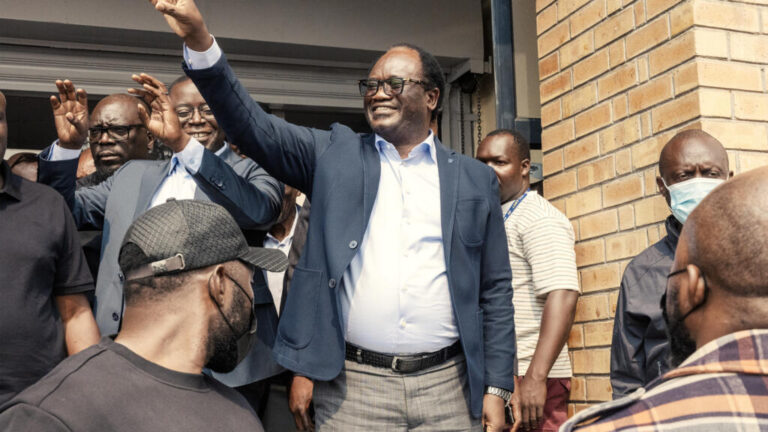
Zambia’s Alleged Coup Plot: The Russian Footprint and the Risk of Political Destabilization in Southern Africa
Posted inCoup Democracy Geopolitics Governance Intelligence ops

Zambia’s Alleged Coup Plot: The Russian Footprint and the Risk of Political Destabilization in Southern Africa

The indictment of opposition leader Brian Mundubile and other defendants on treason charges introduces a potentially significant foreign security dimension into Zambia’s post-election crisis. Prosecutors allege that Mundubile and a…

Read More
November 26, 2026Tags: Zambia
Friedrich Merz speaks during a press conference on planned major investments, in Berlin, Germany on March 4th 2025
Posted inConflict Geopolitics Intelligence ops National Security

Germany in the Kremlin’s Crosshairs: Russia’s Hybrid Warfare and the Reform of German Intelligence Services

Russia regards Germany as one of its principal strategic adversaries in Europe because of Berlin’s role in supporting Ukraine, strengthening NATO, and developing European defense capabilities. For the Kremlin, Germany’s…
Read More
November 23, 2026Tags: Germany, Russia
Russian Air Provocations Against Poland: Moscow Tests European Defenses and Advances a New Division of Spheres of Influence
Posted inConflict Geopolitics Warfare

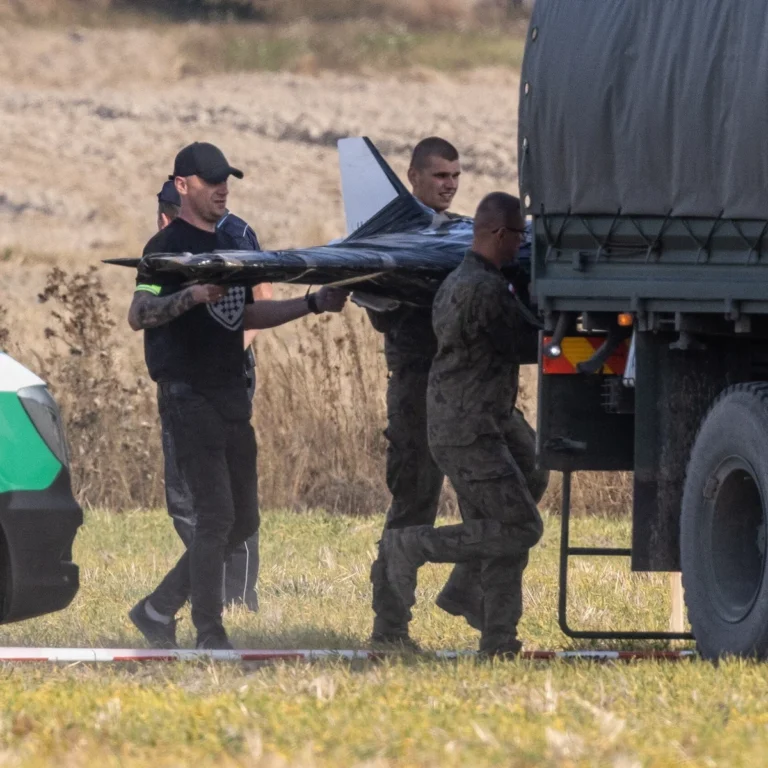
Russian Air Provocations Against Poland: Moscow Tests European Defenses and Advances a New Division of Spheres of Influence

The appearance of Russian aerial targets over Polish territory during the Coalition of the Willing exercises may serve a far broader strategic purpose than testing the effectiveness of Poland's air…
Read More
November 20, 2026Tags: EU, Poland, Russia, USA
Europe Between American Uncertainty and Russian Revisionism: The Search for a New Security Architecture
Posted inGeopolitics Governance National Security

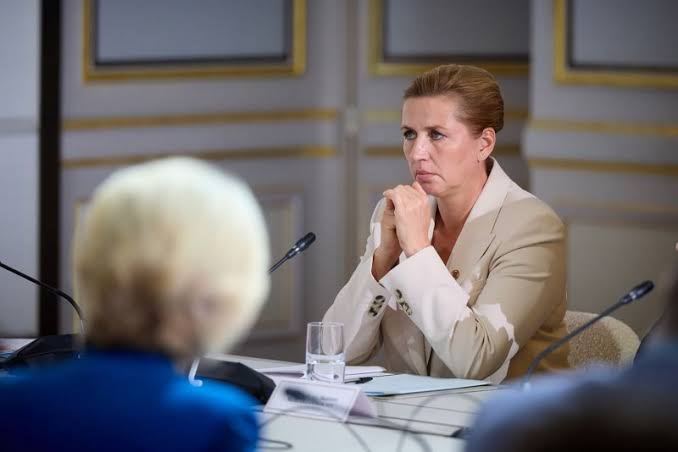
Europe Between American Uncertainty and Russian Revisionism: The Search for a New Security Architecture

Denmark’s strategic experience, NATO’s Baltic deterrence, and the challenge of defining Europe’s security interests independently of Washington. Europe is entering a period of strategic uncertainty in which two foundations of…
Read More
November 18, 2026Tags: Denmark, Lithuania, Ukraine, USA
The Crimean Bridge as a Factor in Great-Power Diplomacy: How Russia’s Military Vulnerability Is Changing Putin’s Negotiating Position
Posted inGeopolitics Peacekeeping

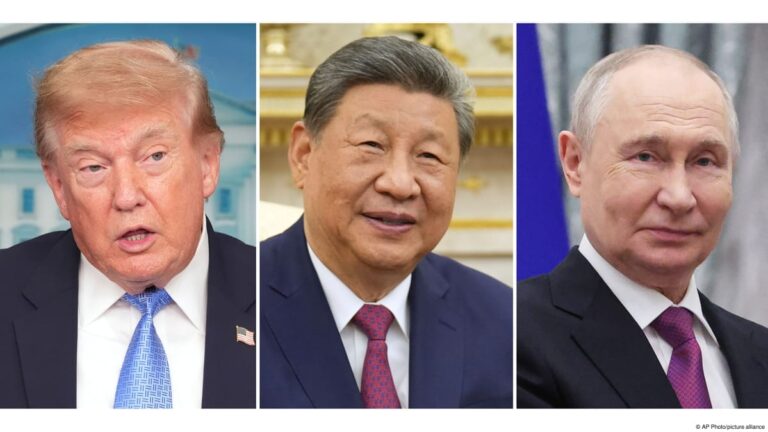
The Crimean Bridge as a Factor in Great-Power Diplomacy: How Russia’s Military Vulnerability Is Changing Putin’s Negotiating Position

The forthcoming talks between U.S. President Donald Trump, Russian President Vladimir Putin, and Chinese President Xi Jinping should be viewed as part of a broader redistribution of influence among Washington,…
Read More
November 17, 2026
Abu Dhabi as a Diplomatic Trap: Why U.S.–Ukraine–Russia Talks Risk Ending Without Results
Posted inConflict Geopolitics Peacekeeping

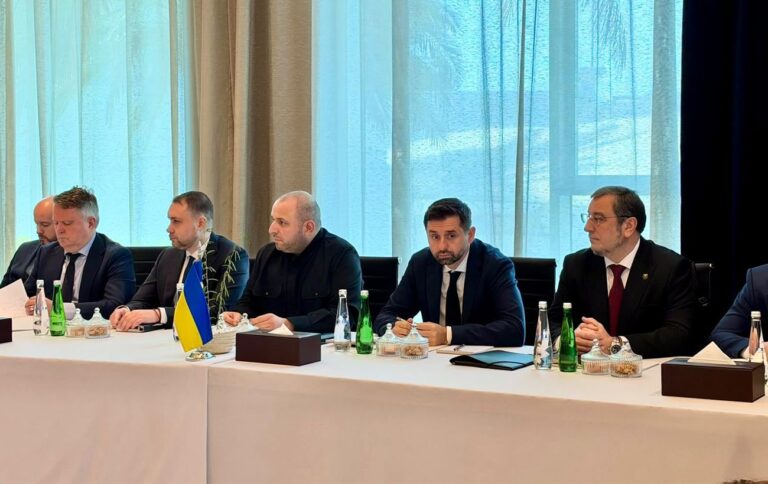
Abu Dhabi as a Diplomatic Trap: Why U.S.–Ukraine–Russia Talks Risk Ending Without Results

The negotiations between Ukraine, Russia, and the United States that began in Abu Dhabi on November 10, 2026, may become another diplomatic initiative that fails to alter the Kremlin’s strategic…
Read More
November 11, 2026Tags: Russia, UAE, Ukraine, USA
The 2026 U.S. Midterm Elections: A New Balance of Power in Washington and the Kremlin’s Strategic Calculations
Posted inGeopolitics Governance

The 2026 U.S. Midterm Elections: A New Balance of Power in Washington and the Kremlin’s Strategic Calculations

The November 3, 2026, midterm elections to the U.S. Congress substantially altered the political balance in Washington. The Democratic Party won control of both chambers, depriving President Donald Trump of a…
Read More
November 5, 2026Tags: Russia, Ukraine, USA
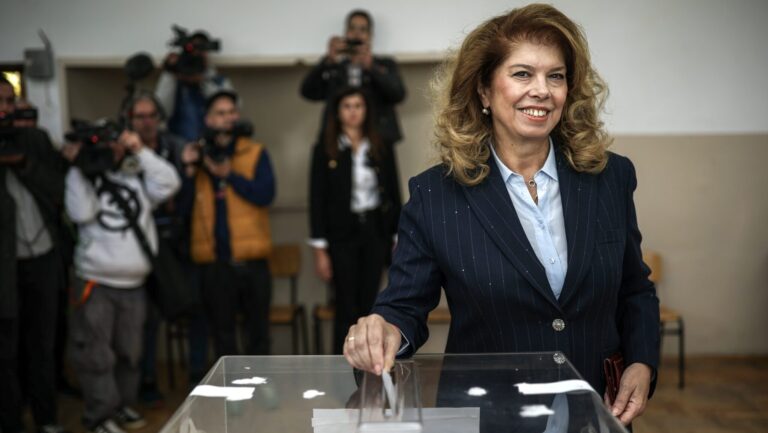
Bulgaria After Iliana Iotova’s Victory: The Russian Factor, Divergences with the EU, and Risks for NATO and the United States
Posted inGeopolitics Governance

Bulgaria After Iliana Iotova’s Victory: The Russian Factor, Divergences with the EU, and Risks for NATO and the United States

According to the reported results of the second round of the presidential election on November 1, 2026, Iliana Iotova’s victory with approximately 58% of the vote creates conditions for closer…
Read More
November 3, 2026Tags: Bulgaria, elections, NATO
Sanctions in Exchange for Russian Diesel: Why Restoring the Kremlin’s Access to the U.S. Financial System Could Create Strategic Risks
Posted inEconomy Geopolitics Peacekeeping

Sanctions in Exchange for Russian Diesel: Why Restoring the Kremlin’s Access to the U.S. Financial System Could Create Strategic Risks

Reports of talks between Washington and Moscow over the possible lifting of sanctions on the Russian Direct Investment Fund (RDIF) point to a new direction in U.S.–Russian relations: economic cooperation…
Read More
October 29, 2026Tags: Russia, Sanctions, USA
Cuba as a New Front in Geopolitical Confrontation: Why Washington Is Increasing Pressure on Havana and What Interests Russia and China Are Defending
Posted inGeopolitics Intelligence ops

Cuba as a New Front in Geopolitical Confrontation: Why Washington Is Increasing Pressure on Havana and What Interests Russia and China Are Defending

The intensification of U.S. pressure on Cuba should be viewed not only as an attempt to bring about political regime change in Havana, but also as part of the broader…
Read More
October 27, 2026Tags: China, Cuba, Russia, USA

Posts pagination

1 2 3 … 51 Next page

Partner Institutes

The Center for Nationalism Studies (CNS)

Headquarter: director@lansinginstitute.org

Africa: africa@lansinginstitute.org

America: america@lansinginstitute.org

Asia: asia@lansinginstitute.org

Europe: europe@lansinginstitute.org

Headquarter:
19 Holly Cove Ln., Dover,  Kent,  Del., 19901.

Phone: +1 302.499.20.07

European branch:
La Grande Arche – Paroi Nord La Défense FR,
1 Tunnel de Nanterre-La Défense, 92044 Paris, France
Phone: +33 695.42.57.44

Copyright 2019-2026— Robert Lansing Institute e. All rights reserved.
Scroll to Top