
More than two decades after the Kosovo war, international justice has produced an outcome that remains deeply contested: the Serbian state, whose forces carried out systematic and widespread crimes against Kosovo Albanian civilians, has never been criminally judged as such, while former leaders of the Kosovo Liberation Army (KLA) are prosecuted before a special tribunal created exclusively to examine alleged crimes by one side of the conflict. This imbalance is not merely legal; it is political, evidentiary, and historical. The Kosovo Specialist Chambers (KSC), whose origins lie in unsubstantiated allegations of organ trafficking, have come to symbolize an asymmetric application of justice- one that elevates marginal, anecdotal accusations against KLA figures while minimizing or exhausting accountability for state-organized violence by Serbia.
Serbian state crimes and the limits of accountability
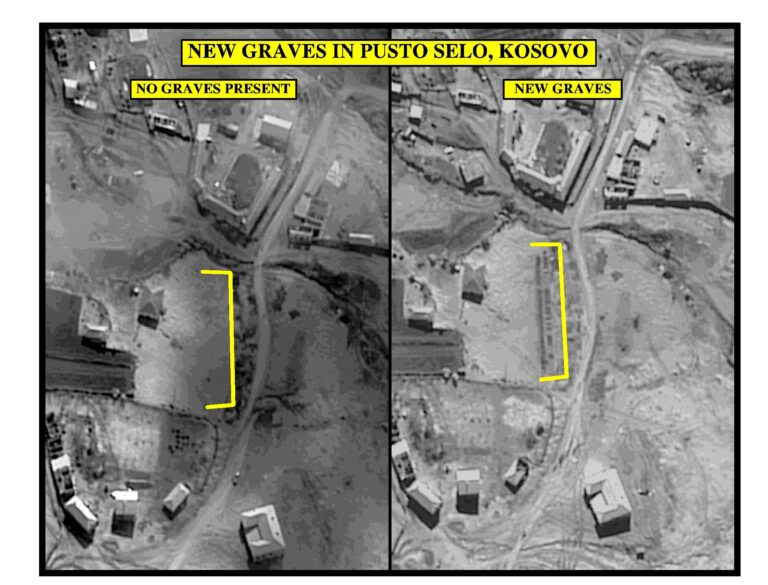
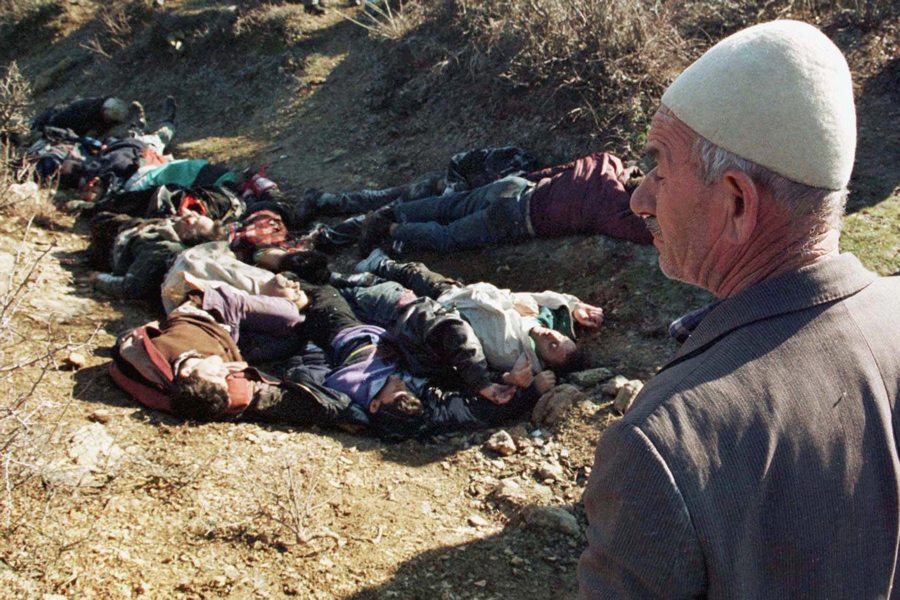
The factual record of Serbian crimes in Kosovo is extensive and well established. Serbian military, police, and paramilitary forces engaged in mass killings of civilians, forced displacement on a massive scale, destruction of villages, sexual violence, and the concealment of bodies in mass graves later discovered within Serbian territory (Serbia continues to conceal the bodies of those killed during the war in Kosovo in mass graves). These crimes were systematic and coordinated, reflecting state policy rather than spontaneous or localized acts.
Yet Serbia as a state was never criminally judged. This was not because evidence was lacking, but because international criminal law is structurally reluctant to address state criminality. Courts such as the ICTY were designed to prosecute individuals, not states, and political considerations further narrowed the scope of accountability. A formal judgment against Serbia would have carried implications for reparations, diplomatic standing, and post-war regional arrangements- outcomes that major powers were unwilling to pursue.
The ICTY and the closure of Serbian accountability
The ICTY prosecuted a limited number of Serbian officials for Kosovo-related crimes, including Slobodan Milošević, whose death precluded a final verdict. Over time, however, the tribunal faced political pressure to conclude its mandate. By the mid-2000s, the emphasis shifted from comprehensive accountability to institutional closure and regional “stability.”
As a result, many perpetrators were never prosecuted. Mid- and lower-level actors were largely transferred to domestic Serbian jurisdiction, where cases were delayed, weakened, or abandoned. Serbian state archives remained closed, and critical evidence- particularly relating to mass grave concealment- was never fully litigated. No special or follow-up court was created to complete the accountability process for Serbian crimes in Kosovo.
The emergence of the Kosovo Specialist Chambers
In stark contrast, Kosovo became subject to a unique judicial mechanism. The Kosovo Specialist Chambers were established years after the ICTY’s closure, with a mandate focused exclusively on alleged crimes committed by KLA members. No equivalent mechanism was created to revisit Serbian crimes.
This asymmetry cannot be explained by the gravity of crimes. Serbian violence was state-organized and overwhelmingly directed at civilians. Alleged KLA crimes, even if proven, were limited, localized, and not part of a state policy. Yet only one side was subjected to renewed international prosecution.
The Dick Marty Report and the “Yellow House” allegations
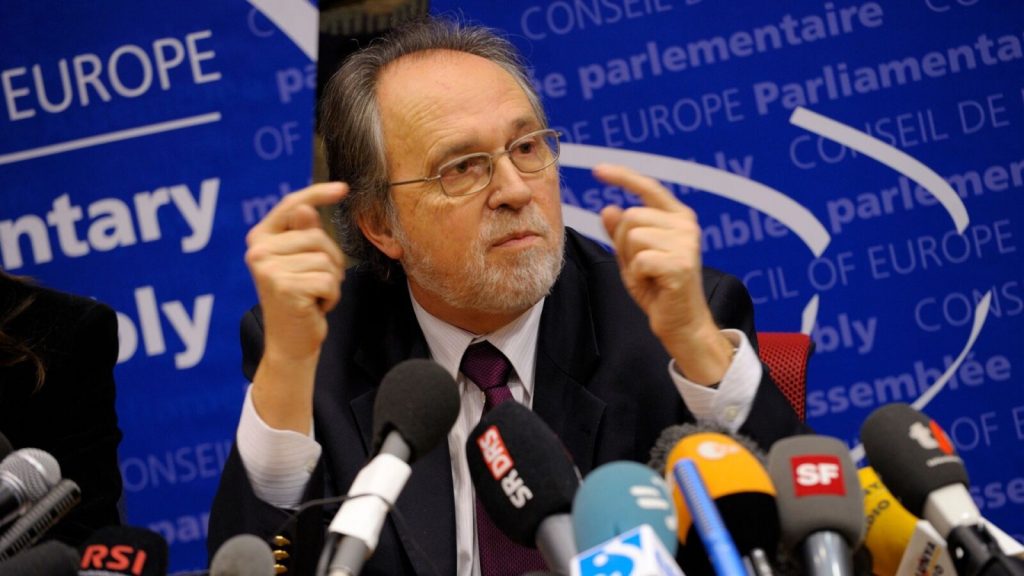
The political foundation of the KSC lies in the 2010 Council of Europe report authored by Dick Marty. Central to this report were allegations of organized organ trafficking involving KLA members and a so-called “Yellow House” in northern Albania. These claims were extraordinary and extraordinarily weak.
Multiple international investigations prior to Marty’s report, including by UNMIK and ICTY teams, failed to uncover forensic evidence sufficient for prosecution. No verified crime scene, no chain of custody, no identification of victims, and no logistical plausibility were ever established. The alleged location was a remote mountain village reportedly lacking basic infrastructure such as electricity and proper road access at the relevant time.
Crucially, Marty’s report was not a judicial finding. It was a political document, not subject to evidentiary standards, cross-examination, or adversarial testing.
Intelligence inputs and the role of the Serbian BIA
Marty publicly acknowledged cooperation with Serbian intelligence services, specifically the BIA. This raises fundamental concerns about credibility. The BIA is the institutional successor to security structures implicated in the Kosovo war and had a clear strategic interest in reframing the conflict narrative by criminalizing KLA leadership.
The transformation of intelligence-derived allegations- originating from a party to the conflict into the basis for a special international court represents a troubling fusion of intelligence politics and judicial processes. The credibility issues were compounded when Marty later stated that he received death threats allegedly linked to Serbian security circles, highlighting the opaque and politicized environment surrounding the report.
Evidentiary imbalance and the question of seriousness
One of the most striking aspects of proceedings before the KSC has been the nature of some prosecution evidence. Among the accusations advanced by certain witnesses are claims that KLA members stole cows or engaged in petty wartime theft. While any crime deserves scrutiny, the elevation of such allegations to the level of international prosecution raises serious questions about proportionality and institutional seriousness.
These claims stand in sharp contrast to the scale and nature of crimes committed by Serbian forces, which included mass executions, ethnic cleansing, and systematic terror against civilians. The focus on anecdotal, low-gravity accusations contributes to the perception that the court is not addressing the most serious crimes, but rather constructing a narrative of criminality at any cost.
On the other hand, the evidentiary imbalance becomes even clearer when contrasted with the caliber of defense witnesses. Senior international figures such as General Wesley Clark, former NATO Supreme Allied Commander Europe; Christopher Hill, former U.S. diplomat and chief negotiator during the Kosovo crisis; and James Rubin, former U.S. State Department spokesperson, have testified regarding the context of the war and the nature of the KLA.
These witnesses consistently emphasized that:
Serbian forces were the primary perpetrators of violence against civilians
The KLA emerged as a response to systematic repression
NATO’s intervention was driven by the conduct of the Serbian state, not by KLA criminality
Such testimony, grounded in direct involvement and high-level responsibility, underscores the broader historical and political reality of the conflict- yet it often sits uneasily alongside prosecution narratives built on marginal or anecdotal claims.
However, Kosovo’s acceptance of the KSC must also be understood in political terms. As a new and partially recognized state, Kosovo faced intense international pressure to demonstrate compliance with demands framed as “rule of law” obligations. Acceptance of a court to prosecute its own wartime leadership became a condition for political legitimacy. Serbia was never subjected to comparable pressure.
Consequences of conviction: Justice, NATO’s Legacy, and the Signal to Self-Defense Nations
The potential conviction of senior KLA leaders carries consequences that extend far beyond individual accountability, directly affecting the legitimacy of international justice. A conviction risks recasting the Kosovo war as a conflict of moral equivalence, blurring the line between a state-driven campaign of civilian persecution and an armed resistance formed in response to it. Such an outcome would inevitably influence how NATO’s 1999 intervention is perceived more than two decades later. NATO justified its actions on the basis of an unfolding humanitarian catastrophe caused by Serbian state forces; if the primary victim-side leadership is subsequently branded as criminal without equivalent scrutiny of the aggressor state, the moral clarity underpinning that intervention risks being questioned.
More broadly, convictions under these conditions may deepen distrust in international justice among societies that experienced asymmetrical victimization, reinforcing the perception that courts respond selectively to political expediency rather than to proportional responsibility. For nations facing aggression or systemic repression, the precedent is troubling: lawful self-defense and resistance may be acknowledged in principle but later subjected to selective criminal review, while aggressor states evade comparable accountability. In this sense, the implications of conviction would not be confined to Kosovo’s past, but would shape how future self-defense struggles evaluate the risks of post-conflict accountability in an uneven international legal landscape.
The broader implication is clear: accountability that disproportionately targets the defenders while failing to address the aggressor state undermines the credibility of international mechanisms. It erodes confidence not only in the Kosovo context but in the principle that international justice protects victims as much as it disciplines perpetrators.
Narrative reversal and the alienation of history in the Balkans
Beyond legal outcomes, the work of the Kosovo Specialist Chambers has significant implications for historical narrative formation in the Balkans. By prosecuting only former KLA leaders while leaving Serbian state crimes institutionally closed, the court risks contributing- intentionally or not to a long-standing objective of Serbian state policy: the relativization and alienation of Kosovo’s wartime history. Serbian political and security structures have consistently sought to recast the 1998-1999 conflict as a “civil war” marked by equivalent criminality on both sides, rather than a campaign of state violence against a civilian population. The exclusive focus of the KSC reinforces this reframing by shifting international attention from Serbian state aggression to alleged criminality within the KLA, thereby inverting the roles of victim and aggressor at the narrative level.
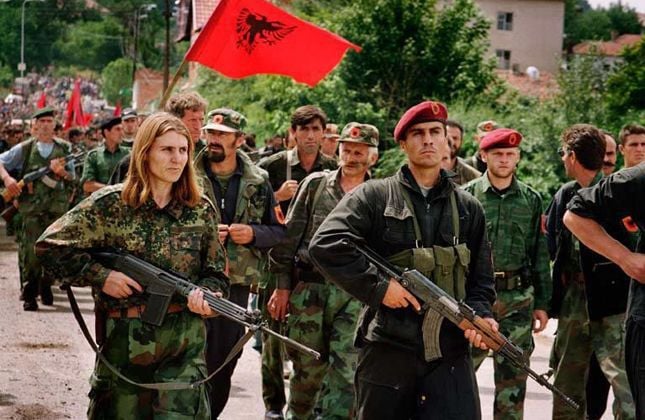
While the court formally prosecutes individuals rather than movements, the symbolic effect is broader: the KLA, historically understood as a defensive resistance force arising from systemic repression, risks being re-presented as a primary source of instability and violence. This narrative shift aligns closely with Serbian state efforts to contest responsibility, dilute culpability, and delegitimize Kosovo’s struggle for survival and self-determination. In this sense, the KSC does more than adjudicate past acts, it participates in the ongoing political struggle over memory, responsibility, and historical meaning in the Balkans, where legal asymmetry becomes a tool for narrative reengineering rather than reconciliation.
Equating victim and aggressor murders justice
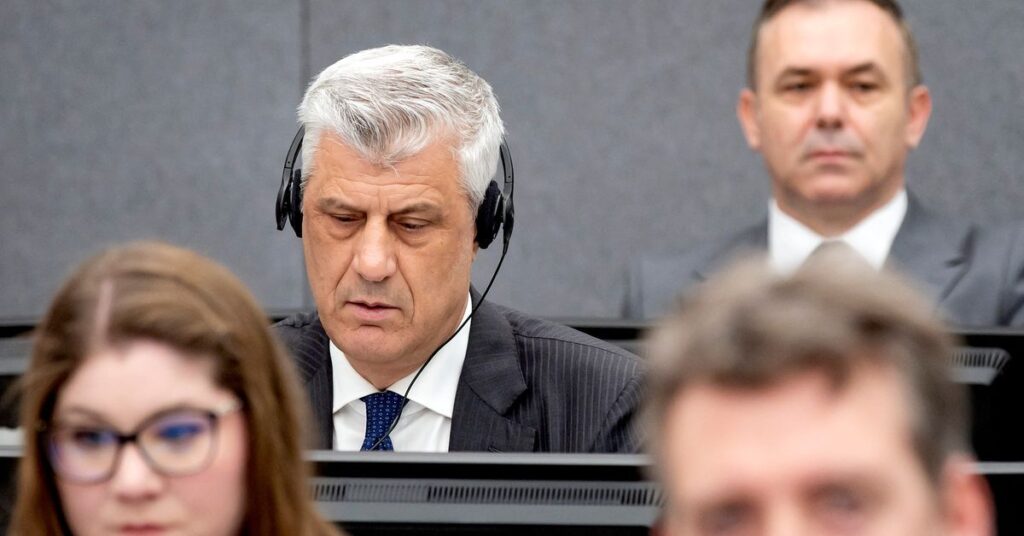
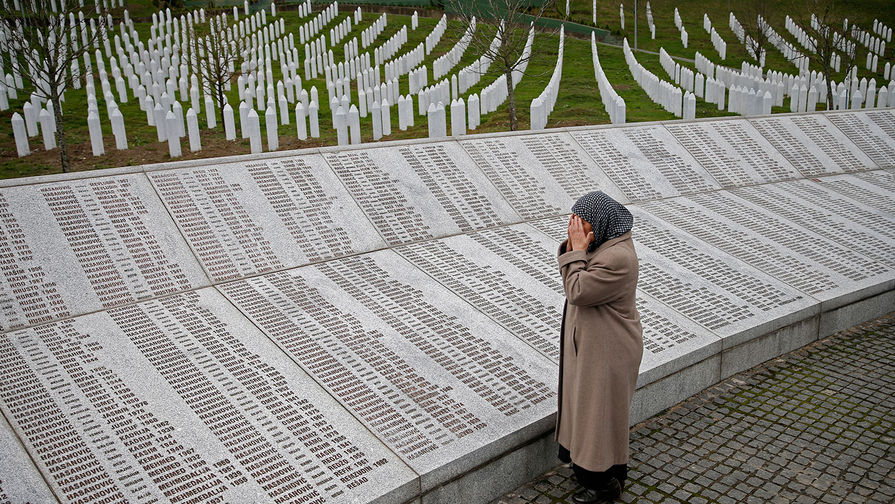
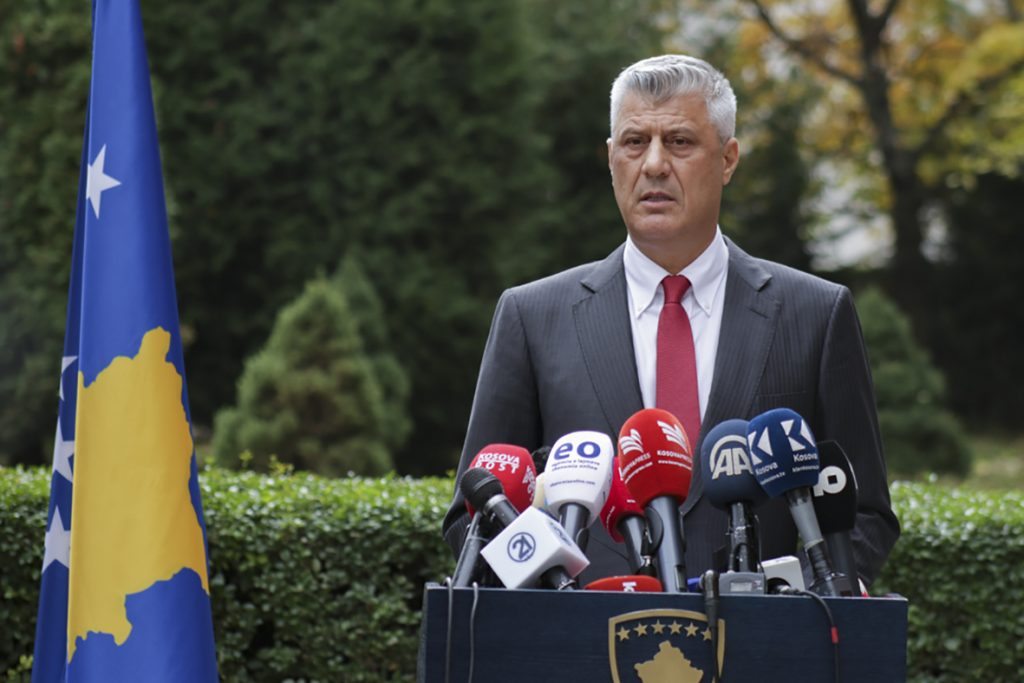
A 45-year sentence proposal for Hashim Thaçi and other KLA leaders, would not merely punish an individual; it would constitute a profound moral and historical distortion. It would place a political leader of a liberation movement on the same punitive plane as Ratko Mladić, the architect of the Srebrenica genocide, whose crimes were committed as part of a centralized state project of extermination. No amount of legal formalism can neutralize the symbolism of such equivalence. At this level of punishment, the court would effectively erase the categorical difference between genocidal state violence and an armed resistance that emerged in response to systematic repression, mass displacement, and ethnic cleansing.
The message conveyed would be unmistakable: that those who organized and executed genocide, and those who led a struggle that culminated in NATO intervention to stop it, are morally and historically comparable. This is not justice refined; it is history inverted. Such sentencing would do what Serbian wartime propaganda failed to achieve militarily- recast the Kosovo Liberation Army as an aggressor force and recode the Serbian state’s crimes as merely one side of a criminal symmetry. In this sense, the sentence would not close a chapter of accountability; it would institutionalize a narrative that rewards denial, relativizes genocide, and permanently damages the credibility of international justice in conflicts involving self-defense and liberation.
The failure to hold Serbia fully accountable for crimes committed in Kosovo is not the result of insufficient evidence, but of political choice and structural limitation within international criminal law. The Kosovo Specialist Chambers, born from politically driven allegations and intelligence-derived claims, represents an unprecedented and asymmetric application of legal scrutiny. The combination of low-gravity allegations against KLA leaders, the reliance on politically mediated intelligence sources, and the marginalization of high-credibility defense witnesses has fueled a perception that justice is selective rather than proportional.Kosovo’s experience demonstrates that international justice is inseparable from politics, power, and context. When these forces are applied unevenly, the result is selective accountability that distorts historical understanding, undermines legitimacy, and risks producing long-term skepticism toward international law. Without corrective measures to address structural imbalance, the Kosovo case will continue to raise questions about the credibility of institutions designed to protect the vulnerable and prosecute the guilty- a cautionary example for the post-conflict international order.
More on this story: Can Kosovo sue Serbia for genocide?
More on this story: Parallaxes of anecdotical justice
More on this story: Serb-Russian propaganda is going to change the history in Balkans
More on this story: Serbian war of archives to suppress KLA’s resistance leaders
More on this story: The Shadows of a Court
More on this story: From the ICTY to the Specialized Chambers: The KLA’s Journey through the Courts