
Recent intelligence reports and media investigations reveal that Russia has recruited significant numbers of fighters from several African countries to serve in its war against Ukraine, a practice that has attracted diplomatic concern and domestic investigations across the continent. This recruitment has been driven by economic incentives, exploitation of vulnerable populations, and networks involving private intermediaries, with varying levels of complicity from state and non-state actors. The phenomenon exposes the interplay of global military demand, economic insecurity in Africa, and opaque recruitment channels, raising questions about international law, human trafficking risks, and the geopolitical implications for African states.
Countries Involved and Numbers Recruited
Kenya
The most documented case involves Kenya:
- Kenya’s National Intelligence Service reported that more than 1,000 Kenyan nationals have been recruited and departed to fight for Russia in Ukraine, a figure five times greater than previously estimated.
- As of early 2026, Kenyan authorities confirmed 89 are on frontline duty, 39 hospitalized, and 28 missing, with repatriations continuing.
- Recruitment targeted former soldiers, police officers, and unemployed youth.
South Africa and Botswana
- South African authorities arrested multiple men attempting to depart for Russia; investigations also focus on 17 South African men recruited under false pretenses, allegedly by economic intermediaries.
Other African Countries (Reported or Identified)
Although official African government data is limited, Ukrainian authorities and external reporting indicate broader continental involvement:
- Ukraine’s foreign ministry stated that more than 1,400 citizens from “36 African countries” have fought for Russia or been identified in Russian forces.
- Anecdotal and investigative reporting suggest recruits or attempted recruits from Nigeria, Cameroon, Tanzania, Zimbabwe, Ghana, and Botswana, among others.
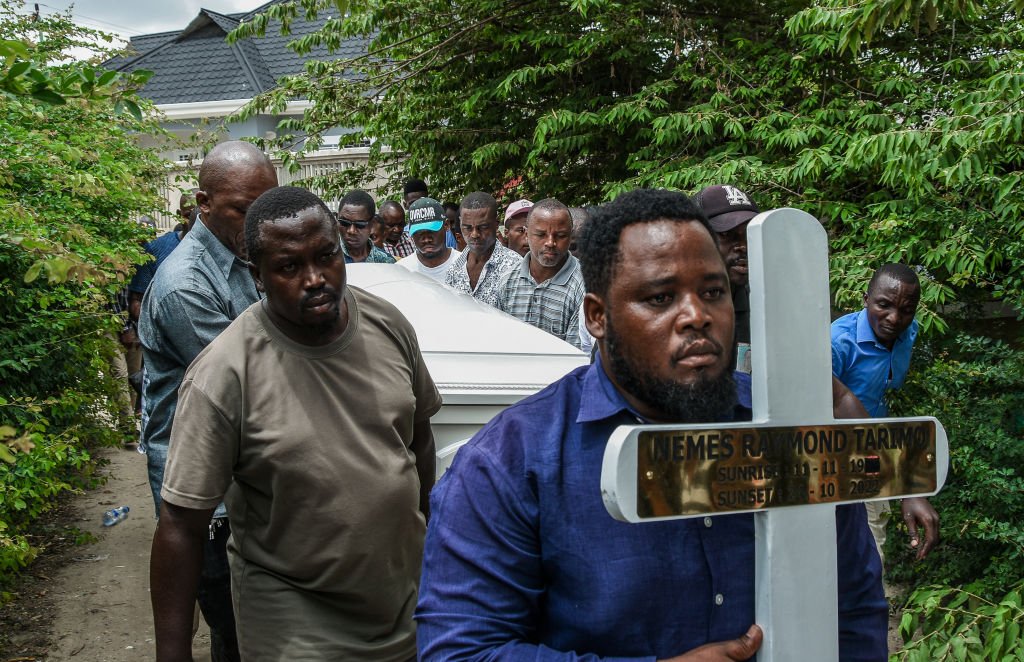
- Individual cases such as Tanzanian Nemes Tarimo, a foreign national who died fighting with Russian mercenaries, also illustrate earlier recruitment patterns.
Motivation Behind Recruitment
Economic Incentives
Russia’s recruiters have reportedly dangled apparently lucrative financial offers targeting economic insecurity:
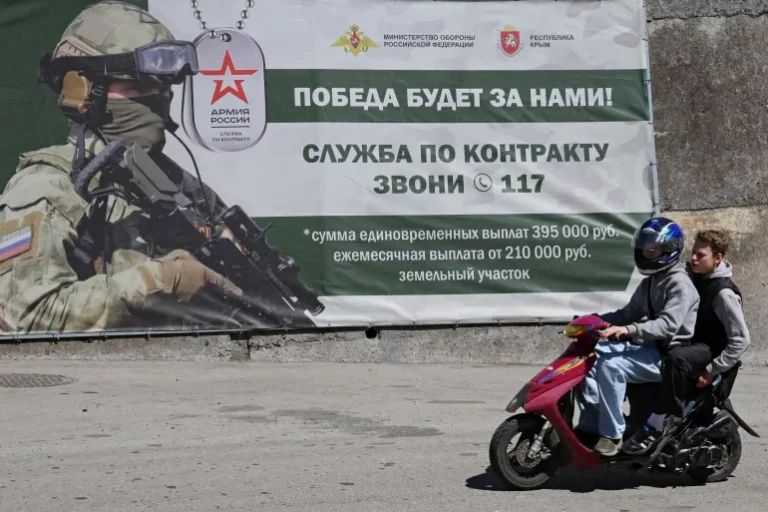
- In Kenya, recruits were promised monthly salaries equivalent to higher-than-average local incomes, with local press reporting offers of ~350,000 Kenyan shillings per month plus bonuses, significant compared with domestic wage levels.
- Some recruits were promised jobs such as electricians, plumbers, or security roles in Russia — only to find they had signed military contracts upon arrival.
Exploitation of Vulnerability
- Reports indicate that recruitment networks specifically targeted unemployed urban youth, ex-service personnel, and economically marginalized populations, sometimes misrepresenting the nature of the work or the risks involved.
- Some analysts argue that recruiters exploited aspirations for migration and employment, framing the opportunity as a pathway to financial stability or relocation.
Recruitment Mechanisms
Recruitment channels were often opaque and informal, involving:
- Recruitment agencies and intermediaries that advertised on social media and job networks.
- Collusion with local officials and embassy staff to obtain visas and travel documentation. The Kenyan intelligence report presented to Parliament alleged collusion between rogue officials, human trafficking syndicates, and embassy personnel in both Nairobi and Moscow.
- Use of tourist visas and circuitous travel routes through third countries like Uganda, South Africa, and the Democratic Republic of the Congo to avoid detection.
- Investigative reporting details cases like that of Jean Onana from Cameroon, who traveled to Russia after being promised a well-paid civilian job, only to be coerced into signing a military contract and sent to fight in Ukraine.
- · Cameroon is also included in compiled data showing that many Cameroonian recruits have fought and suffered casualties; investigative reporting estimated that Cameroon has suffered the highest deaths among Africans fighting for Russia, with around 94 out of 335 known recruits killed.
- · These recruits were not ideologically motivated fighters but were drawn in primarily through misleading job offers and economic inducements.
Broader Reporting on Multiple African Countries
Independent investigations and compiled reporting have found:
- More than 1,400 Africans from ~36 countries have been identified as fighters for Russia, including recruits originating from countries such as Ghana, Nigeria, Senegal, Egypt, Cameroon, Togo and others, based on Ukrainian military and investigative sources.
- Case interviews with fighters or their families indicate recruits from South Africa, Botswana, Tanzania, Nigeria, Cameroon, Ghana, Zimbabwe, and more.
- Some recruits were reportedly promised jobs in industries like manufacturing or construction and then coerced into military contracts or sent straight to front-line units.
Recruitment Methods
- Deceptive job offers with promises of high salaries, civilian roles, or technical work.
- Use of tourist visas or non-military visas to facilitate travel.
- Organized networks involving recruiters, travel agencies, corrupt officials, and possibly embassy facilitation.
Geography of Recruitment
- Kenya (most documented and largest numbers).
- South Africa (documented luring of dozens).
- Cameroon (case studies and casualty data).
- Ghana and other West African countries (anecdotal and investigatory reports).
- Broad identification of recruitment spanning at least 36 African states.
Recruitment Nature
- Many recruits were not drawn by ideology but by economic desperation or misinformation.
- Some were coerced upon arrival to sign military contracts and sent to active combat zones.
- Evidence suggests substantial casualties among African recruits, especially from Cameroon.
Effectiveness, Losses, and Outcomes
Combat Effectiveness
- Hard data on the combat effectiveness of African recruits in Russian forces is limited. Many are not professional soldiers and receive minimal training before being sent to frontlines.
- Ukrainian authorities report that many African fighters captured during their first combat missions are often deployed in high-risk “disposable” roles, suggesting limited integration and effectiveness.
3.2 Casualties and Repatriations
- In Kenya, the intelligence report noted hospitalizations, missing persons, and some dead among the recruits; others have been repatriated with diplomatic efforts.
- South African recruits have been detained or turned back at departure points; some remain in conflict zones or are the subject of ongoing government efforts to secure their return.
Treatment and Conditions
- Testimonies from returned recruits and media investigations indicate harsh conditions, including limited training, language barriers, racist abuse, and direct exposure to frontline hazards shortly after arrival.
Russia’s Return to African Authorities and Wider Strategy
Diplomatic and Economic Outreach
While direct payments for recruits per se are not formally acknowledged by Moscow, Russia’s broader engagement in Africa through security cooperation and private military proxies offers context:
- Russian groups like the Wagner Group and its successor Africa Corps have historically provided military support to African governments in exchange for resource concessions (gold, diamonds, etc.) and strategic influence.
- Russia’s recruitment networks in Africa can be viewed as extensions of this broader engagement, operating amid economic partnerships, military cooperation agreements, and informal connections.
Political Leverage
Moscow’s engagement strategy in Africa often combines security, economic, and political tools. This includes:
- Military training and security assistance arrangements.
- Mining and resource concession deals tied to paramilitary deployments.
- Use of Russian presence to bolster government stability in fragile states.
This multifaceted approach offers Russia political leverage on the continent, although the recruitment of fighters for the Ukraine war carries reputational risks for African governments.
Who Is Responsible for Recruitment?
Responsibility appears to be distributed across multiple overlapping networks, including:
Private Recruiters and Agencies
Local intermediaries and recruiters operating in Africa have been central, often promising jobs or training that masks military deployment.
Rogue State Officials
The Kenyan intelligence report implicated rogue officials in airport services, immigration, and job authorities who facilitated departures.
Embassy Staff Involvement
Allegations exist that embassy personnel (Russian and Kenyan) assisted with visa issuance and documentation, although Moscow denies formal involvement.
1. Kenyan Arrest of a Russian Diplomat (2025)
- Case: In September 2025, Kenyan authorities arrested a Russian diplomat, Mikhail Lyapin, along with a Kenyan aide, accused of recruiting Kenyan men as mercenaries to fight for Russia in its war against Ukraine.
- Allegations:
- Lyapin was reportedly working under diplomatic cover and actively involved in persuading local recruitswith promises of lucrative jobs abroad.
- Once recruits reached Russia, they were allegedly pressured into signing military contracts and sent to the frontlines in Ukraine.
- Developments:
- Kenyan police detained Lyapin when he tried to flee the country after becoming wanted.
- Investigators questioned more than 20 Kenyans believed to have been recruited through this network.
- Significance: This arrest is one of the clearest examples of a diplomat-linked recruitment effort being directly targeted by law enforcement.
. “Russian Houses” in Africa as Recruitment Platforms
- Case: Facilities known as “Russian Houses”(officially part of Rossotrudnichestvo, Russia’s state agency for cultural outreach) have been used in some African countries not only for promoting Russian culture and language, but also as fronts for recruitment activities.
- Reports say:
- These centers have allegedly been part of a “shadowed infrastructure” that helps Russia enlist mercenaries for the war.
-
- African media, such as in Nigeria, noted that the Russian Houses propagate pro-Russian narratives and attract youth through ideological manipulation and deceptive messaging.
- Mechanism:
- While not direct embassy functions, these centers often have state backing and operate as de-facto diplomatic instruments under the guise of cultural diplomacy.
- Analytical note: This case shows how official state-linked institutions may be repurposed for hybrid recruitment strategies long before individuals ever reach Moscow or Russian forces.
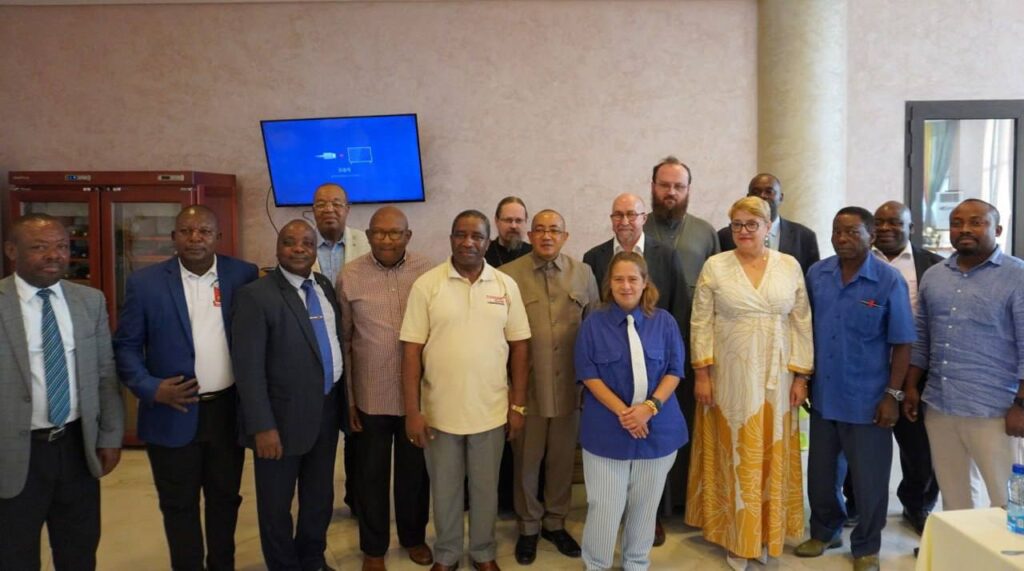
🧑🤝🧑 3. Diplomatic Denials & Accusations (General Context)
- Russian diplomatic missions — including the Russian Embassy in Nairobi — have officially denied systemic recruitment of African nationals, calling such accusations the work of “rogue actors” and not formal policy.
- These denials have occurred in response to official complaints by affected African governments — a diplomatic dynamic that itself indicates pressure around alleged embassy involvement.
🔎 Important Context & Caveats
Not All Recruitment Is Directly Diplomatic
- Many recruitment efforts used non-official recruiters (agencies or intermediaries) who may work with or through diplomatic personnel, but are not formally embassy staff.
- Cases like the Kenyan arrest show overlap between informally acting recruiters and individuals with diplomatic cover — which is a common method intelligence and influence operations use to gain operational space.
Indirect Diplomatic Facilitation
- Reports about Russian Houses suggest an institutional link between the Russian state and recruitment activities without a conventional military recruitment office. This blurs lines between cultural diplomacy and strategic recruitment.
Official Denials
- Russia’s denials — especially in high-profile cases — can themselves be part of a diplomatic strategy to distance official missions from mercenary recruitment and preserve diplomatic status.
📌 Summary of Key Cases
| Case | Location | Type of Recruitment Link | Status / Outcome |
| Arrest of Russian diplomat Mikhail Lyapin | Kenya | Direct recruitment under diplomatic cover | Diplomat arrested; investigation ongoing |
| “Russian Houses” used as recruitment platforms | Nigeria and other African states | State-linked institutions acting as influence/recruitment hubs | Reported by counter-disinformation experts |
| Official diplomatic denials | Various | Russia denies embassy involvement | Diplomatic tension and rebuttals |
Lack of Oversight and Enforcement
Weak regulatory frameworks and porous border controls in some African countries allowed recruiters to exploit legal gaps and avoid scrutiny.
Broader Implications and Risks
Human Trafficking and Legal Violations
Several observers and civil society groups describe aspects of these recruitment operations as bordering on human trafficking, due to deception, coercion, and lack of informed consent.
Domestic Backlash and Diplomacy
African governments, especially Kenya and South Africa, are confronting domestic criticism and diplomatic pressure to act, potentially complicating relations with Moscow.
Geopolitical Significance
Russia’s recruitment of African fighters underscores its ongoing struggle with manpower shortages and its willingness to look beyond traditional alliances for recruits, potentially reshaping how large-scale conflicts engage global actors and diaspora populations.
The recruitment of African fighters into Russia’s war in Ukraine represents a complex intersection of economic desperation, geopolitical strategy, and exploitative networks. While Kenya provides the clearest evidence, the practice extends to multiple countries, implicating recruiters, officials, and systemic vulnerabilities. The drivers include economic incentives, misinformation, and weak oversight, while impacts range from casualties and human rights concerns to diplomatic controversy. Russia’s approach reflects both the pressures of sustained conflict and broader tactics of international engagement, raising urgent questions about accountability, protection of citizens, and the ethics of foreign military recruitment.
Scale of Recruitment
- Kenya: According to Kenya’s National Intelligence Service, more than 1,000 Kenyan nationals have been recruited and deployed to fight for Russia in Ukraine. This is about five times higher than earlier estimates by Kenyan authorities.
- Estimated African total: Ukraine’s government has stated that **at least 1,436 individuals from **around 36 African countries are known to be fighting for Russia in Ukraine.
- Likely undercount: Ukrainian officials suggest the true number may be higher than 1,436, as not all cases are fully documented.
Countries or Regions Reported Involved
Reporting has directly mentioned or suggested:
- Kenya, with large numbers confirmed.
- South Africa and Botswana, with cases of at least a group of around 17 men lured toward Russian forces under false promises (including from South African recruitment networks).
- A broader range across Africa: Ukrainian government figures cover individuals from 36 different African countries, indicating recruitment from many nations beyond Kenya and South Africa.
(Note: Specific breakdown by country beyond Kenya isn’t publicly verified in detail, but Ukraine’s estimate spans a wide range of African states.)
Status of Recruits (Kenya case)
According to the intelligence report presented to the Kenyan parliament:
- 89 Kenyans confirmed on the frontline fighting with Russian forces.
- 39 were hospitalized due to injury or illness.
- 28 were missing in action at the time of reporting.
- Others have been repatriated or are in military camps.
- At least one Kenyan has been confirmed dead.
Financial Incentives Offered (Kenya context)
Recruiters reportedly promised:
- Monthly salaries of about 350,000 Kenyan shillings (~$2,700 USD).
- Bonuses of up to 1.2 million Kenyan shillings (~$9,300 USD) for signing and service.
These figures were used to entice recruits—especially targeting unemployed people, ex-military personnel, and police officers.
Recruitment Channels and Methods
- Initial travel was often on tourist visas through routes such as Turkey and the UAE before Kenya tightened airport screening.
- Recruiters then shifted to using routes through Uganda, South Africa, and the Democratic Republic of the Congo to avoid detection.
- Reports allege that recruitment agencies colluded with corrupt officials in immigration, airport services, and even embassy personnel to facilitate departures.
Russia’s Acknowledgement
- The Russian Embassy in Nairobi has denied illegal recruitment, stating that while Russia allows foreign citizens to voluntarily enlist in its armed forces under
Country-by-Country Recruitment Overview (Africa)
| Country | Estimated Recruited | Financial Incentives Offered | Recruitment Channel | Effectiveness / Losses | What Russia Gave in Return / Context |
| Kenya | 1,000+(official intel) | ~350,000 KES/month(~$2,700); signing bonuses up to 1.2m KES | Job scams → intermediaries; visa facilitation; alleged embassy-linked actors | Low combat effectiveness; 89 frontline, 39 hospitalized, 28 MIA, confirmed deaths | Diplomatic engagement; influence leverage; no formal state compensation admitted |
| Cameroon | 300–350(investigative est.) | ~$2,000–$3,000/month (reported) | Deceptive civilian job offers; coercion after arrival | High casualties: est. ~90+ killed; rapid frontline deployment | Longstanding Russia–security ties; Wagner/Africa Corps legacy |
| South Africa | 15–30(confirmed cases) | ~$2,000–$3,000/month | Recruiters posing as employment agents; travel facilitation | Limited data; several intercepted/arrested before deployment | Political neutrality narrative; limited direct quid pro quo |
| Ghana | Dozens(identified cases) | ~$2,000+/month (reported) | Fake jobs; social media & intermediaries | Unknown losses; individuals seen in frontline testimonies | Broader diplomatic outreach; no formal compensation disclosed |
| Nigeria | Dozens–100+ (Ukr. data) | ~$2,000–$3,000/month | Online recruiters; migration pathways | Unknown; likely used in high-risk roles | Political influence; information ops footprint |
| Tanzania | Dozens | ~$2,000/month | Job deception; migration leverage | Confirmed deaths in earlier cases | Security cooperation channels |
| Zimbabwe | Dozens | ~$2,000/month | Recruiter networks | Unknown | Long-term Russia ties; political alignment |
| Botswana | <20 | ~$2,000/month | Spillover from SA networks | Limited data | Minimal |
| Senegal | Small numbers | ~$2,000/month | Informal recruiters | Unknown | Diplomatic outreach |
| Egypt | Small numbers | ~$2,000–$3,000/month | Private intermediaries | Unknown | Broader military-diplomatic ties |
Aggregate & Cross-Cutting Figures
- Total Africans identified fighting for Russia: 1,400+
- Number of African countries involved: ~36
- Typical pay range: $2,000–$3,000/month (far above local averages)
- Deployment pattern: Minimal training → high-risk infantry roles
- Effectiveness: Low (language barriers, limited training, expendability)
- Loss rates: Disproportionately high in some cohorts (notably Cameroon)
Responsibility & Recruitment Architecture (Summary)
- Primary executors:
- Private recruiters, “employment agencies,” criminal intermediaries
- Facilitators:
- Corrupt local officials (immigration, airport services)
- Russian diplomatic infrastructure (alleged facilitation/validation) in select cases
- State-linked entities (e.g., “Russian Houses” / Rossotrudnichestvo) as influence hubs
- End-users:
- Russian MoD units, Wagner/Africa Corps successor structures
Russia’s recruitment of African nationals represents a low-cost manpower substitution strategy driven by sanctions pressure and domestic mobilization limits. The model relies on economic deception, diplomatic ambiguity, and disposable foreign labor, yielding poor battlefield performance but short-term manpower relief. For African states, the costs include citizen casualties, reputational damage, and sovereignty risks, often without commensurate state-level benefits.
Agencies and Structures Involved in Recruiting Africans for Russia
1. Core State Actors (Strategic Control)
Russian Ministry of Defence
Role: Ultimate end-user of recruits.
- Foreign nationals are formally contracted under Russian law
- Deployed into MoD-controlled units after Wagner’s decline
- Oversees training, deployment, and payment (often inconsistently)
Assessment:
The MoD provides legal cover for recruitment while outsourcing the dirty work to intermediaries.
GRU
Role: Strategic coordination, targeting, and deniability
- Identifies manpower gaps and acceptable casualty thresholds
- Coordinates hybrid recruitment via non-state actors
- Historically managed Wagner and successor networks
Assessment:
GRU does not recruit directly in Africa but designs and supervises the ecosystem.
2. Paramilitary / Hybrid Structures (Operational Execution)
Africa Corps
(successor to Wagner’s Africa network)
Role:
- Maintains recruitment pipelines built during Wagner’s African operations
- Uses existing contacts with African intermediaries
- Provides combat placement and frontline usage
Assessment:
Africa Corps functions as a bridge between African recruitment and Russian battlefield needs.
Wagner Group (historical role)
Role (2022–2024):
- Established African recruitment relationships
- Normalized foreign mercenary usage
- Served as prototype for later MoD-controlled recruitment
Assessment:
Wagner laid the infrastructure and social capital now exploited by the state.
Diplomatic & Quasi-Diplomatic Enablers
Russian Embassies
Role: Facilitation and validation (not mass recruiting)
- Visa issuance and travel facilitation
- Informal “legitimization” of recruiters
- In some cases: direct contact with intermediaries
Evidence:
- Kenya parliamentary intelligence report
- Arrest of Russian diplomat in Nairobi (2025)
- Repeated embassy denials under diplomatic pressure
Assessment:
Embassies act as transaction nodes, not recruiting offices.
Rossotrudnichestvo
(“Russian Houses”)
Role: Influence and pre-recruitment environment
- Youth outreach and narrative shaping
- Identification of economically vulnerable candidates
- Soft-recruitment funneling to intermediaries
Assessment:
Not a recruiter per se, but a strategic talent-spotting layer.
Civilian Fronts and Intermediaries (Primary Recruiters)
Private Recruitment Agencies (Front Companies)
Role: Direct recruitment
- Advertise fake civilian jobs (construction, security, logistics)
- Operate via social media, WhatsApp, Telegram
- Handle contracts, flights, and handover in Russia
Key trait:
These entities are expendable and disappear once exposed.
Local Criminal & Migration Networks
Role: Logistics and coercion
- Document fraud
- Transit via third countries
- Pressure recruits to sign military contracts upon arrival
Assessment:
This mirrors Russia’s broader criminal-proxy intelligence model.
Complicit or Corrupt Local Actors (Facilitation Layer)
Airport, Immigration, and Labor Officials (Select Cases)
Countries implicated: Kenya, Cameroon, South Africa
- Fast-tracking exits
- Ignoring red flags
- Accepting bribes
Assessment:
Not state policy, but systemic vulnerability exploited by recruiters.
Responsibility Matrix (Who Does What)
| Function | Actor |
| Strategic design | GRU |
| Legal framework | Russian MoD |
| African operational access | Africa Corps |
| Diplomatic facilitation | Russian embassies |
| Influence & pre-recruitment | Rossotrudnichestvo |
| Direct recruitment | Private agencies |
| Logistics & coercion | Criminal networks |
| Oversight failure | Local officials |
Russia has deliberately atomized responsibility for recruiting African fighters. No single agency “recruits mercenaries” in isolation. Instead, the Kremlin employs a modular recruitment ecosystem combining state authority, diplomatic ambiguity, paramilitary networks, civilian fronts, and criminal intermediaries. This structure maximizes manpower inflow while minimizing political liability and legal exposure.
This is not mercenary recruitment in the classical sense — it is hybrid manpower extraction.
What kinds of non-Russian actors are involved?
Local private recruiters and “job agencies”
These are usually the primary recruiters—advertising “jobs in Russia,” arranging paperwork, and handing recruits off after arrival. In the Kenya case, official reporting describes recruitment agencies working with trafficking networks and corrupt officials.
Human-trafficking / smuggling networks
Kenya’s intelligence reporting explicitly describes human trafficking syndicates collaborating with recruitment agencies and corrupt facilitators.
Complicit or corrupt local state agencies / officials (non-Russian “facilitation layer”)
In Kenya, the intelligence report alleges involvement by rogue state officials, including airport and immigration personnel, plus state-linked administrative facilitation (described in major media as “collusion” with recruiters).
Travel-route facilitators (third-country routing)
Once scrutiny increased, recruits reportedly moved through alternative routes (e.g., via Uganda, South Africa, DRC). This usually implies travel facilitators/handlers even when names aren’t public.
Named non-Russian companies / people that appear in open sources
- Global Face — described in a Washington Post investigation as a company used in the funneling of recruits into Russian military service.
- Festus Omwamba and Edward Gituku — identified by the same investigation as recruiters who misled applicants.
- “Recruitment agencies” + trafficking syndicates + corrupt officials (often unnamed in public) — described by Reuters/AP/Guardian as part of the pipeline.
South Africa
- Reuters describes a recruitment scam promising “VIP bodyguard training,” after which recruits say they were presented with Russian contracts and ended up in Donbas. Reuters notes the alleged involvement of Duduzile Zuma-Sambudla (named individual), and that South Africa’s Hawks investigated the case as a serious national-security offense. (Reuters does not prominently name a specific South African company in the accessible text.)
Ghana
- Abraham Boakye (“One Man Supporter”) — named in Ghanaian reporting as the alleged recruiter who promised jobs in Russia; victims reported passports confiscated and contracts in Russian.
Note: This is a named local broker, not a formally identified “agency,” but he appears as the key non-Russian recruiter in open sources.
Pan-Africa (multi-country pattern; fewer names)
- An AllAfrica report referencing All Eyes On Wagner describes recruitment networks involving travel agencies in Russia and Africa offering “fast-track” visa procedures (the story describes the mechanism, but not always the agency names in the visible excerpt).
Summary table (what’s public, by country)
| Country | Non-Russian actors reported | Named examples (public) | Source strength |
| Kenya | Recruitment agencies, trafficking syndicates, corrupt officials (immigration/airport) | Global Face; Festus Omwamba; Edward Gituku | High |
| South Africa | Recruitment scam brokers; national police investigators (Hawks) | (No major company name in Reuters text); D. Zuma-Sambudla named | High for pattern, medium for company naming |
| Ghana | Local broker-style recruiter + deception pipeline | Abraham Boakye (“One Man Supporter”) | Medium (local reporting) |
| Multi-country | Travel agents / visa “fast-track” intermediaries | Often unnamed | Medium |
Why you don’t see more company names
Even in well-sourced cases, reporting often describes “recruitment agencies” without naming them because they:
- operate informally (WhatsApp/Telegram + cash)
- rotate shell entities quickly
- use individuals as cut-outs to protect higher-level organizers
That’s part of the deniability design of the pipeline.

More on this story: Russia uses African mercenaries as consumables in the war against Ukraine