
Since 2021, when the Malian junta consolidated power in a second coup after the first one in 2020, the military government it controlled was largely seen as anti-Western.
This was mainly because the junta had overtly sought closer ties with Russia while taking steps to reduce or cut Western ties. It cut security ties with France and limited cooperation with the United States.
3. It also exited the G5 Sahel (a military alliance of Sahel states backed by some European countries to fight terrorism), as regional sanctions were imposed on Bamako. United Nations forces were further restricted in the performance of their mandate.
Meanwhile, Wagner, led by Yevgeny Prigozhin, took center stage in the fight against extremists.
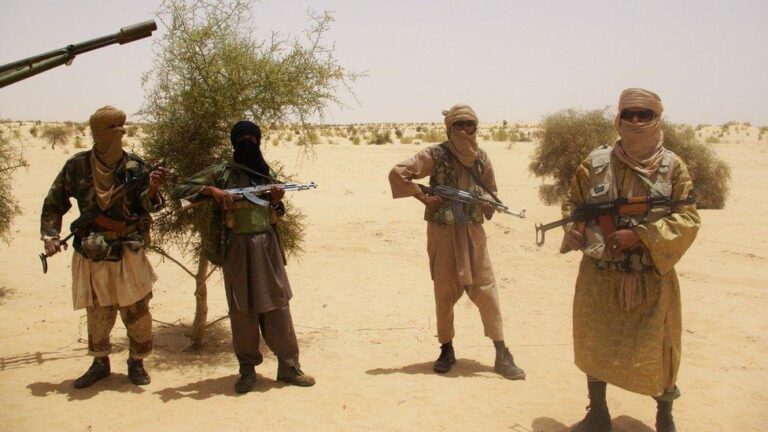
After a few years of Wagner (and later the Russian Africa Corps presence), Mali—together with Burkina Faso and Niger—has been named the epicenter of global terrorism in the Global Terrorism Index.
Wagner, with virtually no experience in counterterrorism, used measures that were at best counterproductive.
The over-ethnicization of terrorism meant that groups such as the Fulbe were at the receiving end of indiscriminate attacks. This ensured that terror groups gained more support from local communities, and the recruitment of fighters became less arduous.
Last year, after years of being mostly concentrated in northern and central Mali, extremists were effectively able to impose a fuel embargo in the southwest of the country and even affect the capital, Bamako.
According to a credible source, the United States, as part of its broader counterterrorism operations in Africa, opted to provide intelligence (and possibly more) to aid Malian forces in targeting the positions of JNIM. During this period, Malian forces reportedly blamed the failure of the counterterrorism strategy of the past few years on Russian instructors and Wagner.
After further cooperation between Bamako and Washington, the military government perhaps now sees the need to give space to the United States for intelligence gathering.
It also appears that the juntas know how to separate the ongoing anti-French sentiments in the region from any collaboration with the United States that they find useful.
Most importantly, it is clear that the threat posed by JNIM and Islamic State affiliates in the region is dangerous enough to require consequential responses.This notwithstanding, the presence of the United States will not necessarily end the activities of violent extremist organizations if there is no clear counterterrorism strategy to fight the menace.