
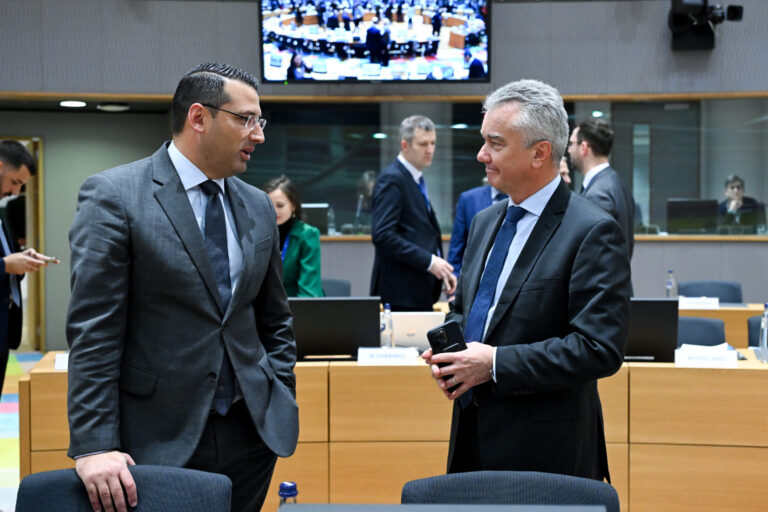
On 12 March 2026, media reported that Slovak Foreign Minister Juraj Blanár, speaking during a hearing of the parliamentary Committee on European Affairs, acknowledged that Bratislava is attempting to remove two Russian oligarchs from the EU sanctions list — Mikhail Fridman and Alisher Usmanov.
According to the minister, several countries are discussing the issue.
“Yes, it concerns the removal of these two names, but not only these two — several others as well. And this is not the end. There are several countries conducting this discussion,” Blanár said.
“We are participating in this discussion and are ready to reach a conclusion constructively and based on solid arguments — provided they are truly convincing and supported by strong legal reasoning,” he added.
Context
Sanctions against Russia are reviewed every six months and require approval by all 27 member states of the European Union.
The current sanctions package expires 15 March 2026.
Sanctions against Fridman and Usmanov were imposed almost immediately after Russia launched its full-scale invasion of Ukraine in February 2022.
Slovakia has threatened to block the extension of sanctions against approximately 2,700 Russian individuals and companies supporting the Kremlin’s aggression against Ukraine.
The government of Robert Fico is linking its consent to extend the sanctions regime with the removal of Fridman and Usmanov from the sanctions list.
In September 2025, Slovakia and Hungary already unsuccessfully attempted to remove the two billionaires from the sanctions list.
This time, the situation is further complicated by a crisis surrounding the Druzhba oil pipeline, which was damaged by a Russian strike on 27 January.
Both Slovakia and Hungary are currently blocking:
- the provision of a loan to Ukraine
- the adoption of the 20th EU sanctions package against Russia
Slovakia Using EU Consensus as a Bargaining Tool
The consistent lobbying by Robert Fico’s government to remove Russian oligarchs Mikhail Fridman and Alisher Usmanov from the EU sanctions list demonstrates that Bratislava is willing to use the EU’s consensus mechanism as an instrument of political bargaining.
This suggests an attempt by the Slovak government to transform the technical procedure of sanctions review into leverage for achieving its own political objectives.
Such an approach undermines the unity of EU sanctions policy and strengthens Moscow’s position, as the Kremlin relies on divisions among European states.
Political Protection of Russian Business Elites
The insistence on lifting sanctions against Fridman and Usmanov indicates the Fico government’s willingness to defend the interests of Russian business elites who maintain varying degrees of connection to the Kremlin.
This stance is widely perceived as a demonstration of political accommodation toward Moscow within the EU.
It contrasts with the approach of most European states, which view sanctions as a key instrument for containing Russian aggression.
As a result, Slovakia is increasingly perceived as a country governed by a pro-Russian administration that undermines EU unity on Russia policy.
Legal and Humanitarian Arguments as Political Cover
The Fico government’s arguments are based on claims that there is insufficient legal evidence and humanitarian concerns regarding sanctions against individual oligarchs.
These arguments align with a broader international campaign in which various countries and lobbying groups attempt to promote a positive image of Russian businessmen through their involvement in charitable, sporting, or cultural initiatives.
This creates an information environment in which the economic and political influence of oligarchs is deliberately separated from their ties to the Kremlin system.
Such a strategy appears to be an attempt to normalize the presence of Russian capital in the EU despite Russia’s war against Ukraine.
Coordination Between Slovakia and Hungary
The coordination of Bratislava’s position with Budapest amplifies the blocking effect within EU decision-making structures.
Joint actions by Slovakia and Hungary effectively create a political alliance within the EU capable of weakening sanctions decisions.
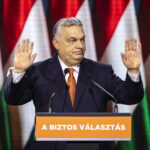
This synchronization between the governments of Robert Fico and Viktor Orbán turns them into a “veto-holding minority” capable of paralyzing decision-making processes even when the majority of EU member states support sanctions.
This creates a dangerous precedent in which individual states use the consensus mechanism not to reach compromise but to advance narrow national interests — thereby undermining the EU from within.
Reputational Consequences for Slovakia
Bratislava’s active role in promoting the removal of sanctions against Russian oligarchs may have reputational consequences within the EU.
Such behavior reinforces the perception of Slovakia as an unpredictable partner in matters of collective security.
Over time, this may cement Slovakia’s reputation as a pro-Russian state and weaken its political influence within internal EU discussions.
Energy Politics and the Druzhba Pipeline Crisis
The dispute surrounding the Druzhba pipeline, damaged by a Russian strike, has become an additional argument used by Slovakia and Hungary.
Both governments accuse Ukraine of deliberately delaying repairs to the pipeline and are using this claim to justify blocking EU decisions.
In this situation, sanctions policy ceases to function solely as an instrument of external pressure on Russia.
Instead, it creates a dangerous precedent in which EU security and solidarity are replaced by local economic interests, and the sanctions mechanism becomes a tool of political blackmail.
Structural Weakness of EU Sanctions Policy
The situation surrounding Slovakia’s demands exposes a structural vulnerability in EU sanctions policy, which depends on the principle of unanimity.
The consensus mechanism allows individual member states to use their veto power to advance narrow national interests.
This situation raises the question of reforming EU sanctions decision-making procedures — particularly the possibility of shifting toward qualified majority voting.
Long-Term Risks for the EU Sanctions Regime
Attempts to weaken sanctions against Russian oligarchs may have long-term consequences for the entire EU sanctions framework.
If individual names begin to be removed from sanctions lists under political pressure, this could open the door to a broader revision of sanctions against Russian elites.
Such a process would undermine the central logic of sanctions — restricting access for Kremlin-connected businessmen to European financial and political resources.
In the long term, this would significantly weaken economic pressure on Russia.
The attempt by the government of Robert Fico to remove Russian oligarchs Mikhail Fridman and Alisher Usmanovfrom the EU sanctions list illustrates a growing challenge for the European Union’s sanctions policy against Russia.
By linking its approval for extending EU sanctions to the removal of specific individuals, Bratislava is effectively transforming the EU’s consensus-based sanctions mechanism into a tool of political bargaining. The move exposes structural weaknesses in the EU’s decision-making system and highlights the increasing role of internal political divisions in shaping the Union’s Russia policy.
Political Bargaining Through the EU Sanctions Mechanism
Sanctions adopted by the European Union require unanimous approval by all 27 member states. This rule was designed to ensure cohesion among member states on sensitive foreign policy matters.
However, the Slovak government’s position demonstrates how this mechanism can be exploited to pursue national political objectives.
By threatening to block the extension of sanctions affecting approximately 2,700 Russian individuals and companies, Slovakia is effectively using the unanimity requirement as leverage to extract concessions from other EU members.
This approach transforms what should be a routine technical review of sanctions into a geopolitical bargaining process.
For Moscow, such internal divisions represent a strategic opportunity. The Kremlin has consistently sought to weaken EU consensus by encouraging political fragmentation among member states.
Defense of Russian Economic Interests Inside the EU
The insistence on removing Fridman and Usmanov from the sanctions list signals a willingness by the Slovak government to defend the interests of influential Russian business elites connected to the Kremlin.
Both oligarchs built their wealth within economic systems closely intertwined with Russian state power. EU sanctions against them were designed not only to target individuals but also to limit the broader influence of Russian economic networks in Europe.
By advocating their removal from the sanctions regime, Bratislava risks undermining one of the core strategic objectives of EU sanctions: restricting the financial and political reach of Kremlin-aligned business elites.
This position sharply contrasts with the policy of most EU member states, which view sanctions as an essential instrument for constraining Russia’s capacity to finance its war against Ukraine.
As a result, Slovakia is increasingly perceived within European political circles as a government willing to challenge the Union’s collective Russia policy.
Legal Arguments and the Influence of Oligarch Lobbying
The Fico government frames its position primarily in legal terms, arguing that sanctions against certain individuals may lack sufficient evidence or humanitarian justification.
However, these arguments coincide with broader lobbying efforts by Russian oligarchs and their legal teams to challenge sanctions in European courts and public discourse.
Over the past two years, several sanctioned Russian businessmen have attempted to reshape their public image through:
- philanthropic initiatives
- cultural and sporting sponsorships
- legal appeals against sanctions decisions
These campaigns aim to separate the oligarchs’ international economic activities from their political connections to the Kremlin.
The narrative promoted by lobbying groups portrays sanctioned individuals as independent business figures rather than actors embedded in Russia’s political-economic system.
If such narratives gain traction, they could gradually weaken the normative basis of EU sanctions policy.
The Slovakia–Hungary Axis in EU Decision-Making
The Slovak government’s position is closely aligned with that of Viktor Orbán, whose government has repeatedly used EU decision-making procedures to delay or dilute sanctions against Russia.
Together, Slovakia and Hungary are increasingly acting as a coordinated blocking minority inside EU institutions.
While the EU formally requires unanimity for sanctions decisions, this coordination effectively allows a small group of governments to influence the entire Union’s foreign policy.
This dynamic creates a structural vulnerability in EU governance.
Even when the majority of member states support a particular policy, coordinated veto threats from a small number of governments can paralyze decision-making processes.
Such situations undermine the EU’s credibility as a coherent geopolitical actor.
Energy Politics and the Druzhba Pipeline Dispute
The controversy surrounding the Druzhba oil pipeline has further complicated the situation.
Following damage to the pipeline, Slovakia and Hungary accused Ukraine of deliberately delaying repairs and used the issue as justification for blocking EU decisions.
In this context, sanctions policy becomes intertwined with energy security disputes.
The result is a politicization of sanctions that shifts the debate away from the original objective of responding to Russian aggression and toward national economic concerns.
This development risks creating a precedent in which EU sanctions policy becomes hostage to unrelated disputes over energy infrastructure and economic interests.
Structural Weaknesses of EU Sanctions Policy
The current controversy highlights a fundamental institutional weakness in the EU’s sanctions framework.
Because sanctions decisions require unanimous approval, individual member states possess the ability to block or delay collective action.
This structure allows governments to use sanctions negotiations as leverage for unrelated political or economic demands.
In the long term, such dynamics could erode the credibility of EU sanctions as a stable and predictable policy instrument.
Some policymakers have therefore begun discussing possible reforms, including the introduction of qualified majority voting for sanctions decisions.
Such reforms, however, would require significant institutional changes and could face resistance from member states concerned about losing veto power.
Strategic Implications for the EU
If individual oligarchs begin to be removed from EU sanctions lists under political pressure, the broader sanctions regime could gradually weaken.
Once precedents are established for removing certain individuals, other sanctioned figures may pursue similar political or legal campaigns.
This could trigger a gradual erosion of the sanctions system.
Over time, Kremlin-linked elites might regain access to European financial markets, political networks, and business partnerships.
Such developments would significantly reduce the economic pressure currently exerted on Russia.
Slovakia’s attempt to remove Russian oligarchs from the EU sanctions list reflects a broader challenge confronting the European Union: maintaining political unity in the face of divergent national interests.
The episode highlights how consensus-based decision-making structures can be used as instruments of political bargaining, potentially undermining collective foreign policy objectives.
If such dynamics continue, the EU may face increasing difficulty maintaining a coherent sanctions regime against Russia.
The controversy therefore raises not only immediate questions about the future of sanctions against specific oligarchs but also broader concerns about the long-term resilience of EU foreign policy mechanisms.
Slovakia’s Attempt to Remove Russian Oligarchs from EU Sanctions: Political Bargaining and Risks for European Unity
The attempt by the government of Robert Fico to remove Russian oligarchs Mikhail Fridman and Alisher Usmanovfrom the EU sanctions list illustrates a growing challenge for the European Union’s sanctions policy against Russia.
By linking its approval for extending EU sanctions to the removal of specific individuals, Bratislava is effectively transforming the EU’s consensus-based sanctions mechanism into a tool of political bargaining. The move exposes structural weaknesses in the EU’s decision-making system and highlights the increasing role of internal political divisions in shaping the Union’s Russia policy.
1. Political Bargaining Through the EU Sanctions Mechanism
Sanctions adopted by the European Union require unanimous approval by all 27 member states. This rule was designed to ensure cohesion among member states on sensitive foreign policy matters.
However, the Slovak government’s position demonstrates how this mechanism can be exploited to pursue national political objectives.
By threatening to block the extension of sanctions affecting approximately 2,700 Russian individuals and companies, Slovakia is effectively using the unanimity requirement as leverage to extract concessions from other EU members.
This approach transforms what should be a routine technical review of sanctions into a geopolitical bargaining process.
For Moscow, such internal divisions represent a strategic opportunity. The Kremlin has consistently sought to weaken EU consensus by encouraging political fragmentation among member states.
2. Defense of Russian Economic Interests Inside the EU
The insistence on removing Fridman and Usmanov from the sanctions list signals a willingness by the Slovak government to defend the interests of influential Russian business elites connected to the Kremlin.
Both oligarchs built their wealth within economic systems closely intertwined with Russian state power. EU sanctions against them were designed not only to target individuals but also to limit the broader influence of Russian economic networks in Europe.
By advocating their removal from the sanctions regime, Bratislava risks undermining one of the core strategic objectives of EU sanctions: restricting the financial and political reach of Kremlin-aligned business elites.
This position sharply contrasts with the policy of most EU member states, which view sanctions as an essential instrument for constraining Russia’s capacity to finance its war against Ukraine.
As a result, Slovakia is increasingly perceived within European political circles as a government willing to challenge the Union’s collective Russia policy.
3. Legal Arguments and the Influence of Oligarch Lobbying
The Fico government frames its position primarily in legal terms, arguing that sanctions against certain individuals may lack sufficient evidence or humanitarian justification.
However, these arguments coincide with broader lobbying efforts by Russian oligarchs and their legal teams to challenge sanctions in European courts and public discourse.
Over the past two years, several sanctioned Russian businessmen have attempted to reshape their public image through:
- philanthropic initiatives
- cultural and sporting sponsorships
- legal appeals against sanctions decisions
These campaigns aim to separate the oligarchs’ international economic activities from their political connections to the Kremlin.
The narrative promoted by lobbying groups portrays sanctioned individuals as independent business figures rather than actors embedded in Russia’s political-economic system.
If such narratives gain traction, they could gradually weaken the normative basis of EU sanctions policy.
4. The Slovakia–Hungary Axis in EU Decision-Making
The Slovak government’s position is closely aligned with that of Viktor Orbán, whose government has repeatedly used EU decision-making procedures to delay or dilute sanctions against Russia.
Together, Slovakia and Hungary are increasingly acting as a coordinated blocking minority inside EU institutions.
While the EU formally requires unanimity for sanctions decisions, this coordination effectively allows a small group of governments to influence the entire Union’s foreign policy.
This dynamic creates a structural vulnerability in EU governance.
Even when the majority of member states support a particular policy, coordinated veto threats from a small number of governments can paralyze decision-making processes.
Such situations undermine the EU’s credibility as a coherent geopolitical actor.
5. Energy Politics and the Druzhba Pipeline Dispute
The controversy surrounding the Druzhba oil pipeline has further complicated the situation.
Following damage to the pipeline, Slovakia and Hungary accused Ukraine of deliberately delaying repairs and used the issue as justification for blocking EU decisions.
In this context, sanctions policy becomes intertwined with energy security disputes.
The result is a politicization of sanctions that shifts the debate away from the original objective of responding to Russian aggression and toward national economic concerns.
This development risks creating a precedent in which EU sanctions policy becomes hostage to unrelated disputes over energy infrastructure and economic interests.
6. Structural Weaknesses of EU Sanctions Policy
The current controversy highlights a fundamental institutional weakness in the EU’s sanctions framework.
Because sanctions decisions require unanimous approval, individual member states possess the ability to block or delay collective action.
This structure allows governments to use sanctions negotiations as leverage for unrelated political or economic demands.
In the long term, such dynamics could erode the credibility of EU sanctions as a stable and predictable policy instrument.
Some policymakers have therefore begun discussing possible reforms, including the introduction of qualified majority voting for sanctions decisions.
Such reforms, however, would require significant institutional changes and could face resistance from member states concerned about losing veto power.
7. Strategic Implications for the EU
If individual oligarchs begin to be removed from EU sanctions lists under political pressure, the broader sanctions regime could gradually weaken.
Once precedents are established for removing certain individuals, other sanctioned figures may pursue similar political or legal campaigns.
This could trigger a gradual erosion of the sanctions system.
Over time, Kremlin-linked elites might regain access to European financial markets, political networks, and business partnerships.
Such developments would significantly reduce the economic pressure currently exerted on Russia.
Conclusion
Slovakia’s attempt to remove Russian oligarchs from the EU sanctions list reflects a broader challenge confronting the European Union: maintaining political unity in the face of divergent national interests.
The episode highlights how consensus-based decision-making structures can be used as instruments of political bargaining, potentially undermining collective foreign policy objectives.
If such dynamics continue, the EU may face increasing difficulty maintaining a coherent sanctions regime against Russia.
The controversy therefore raises not only immediate questions about the future of sanctions against specific oligarchs but also broader concerns about the long-term resilience of EU foreign policy mechanisms.