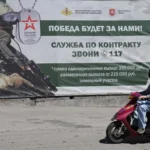

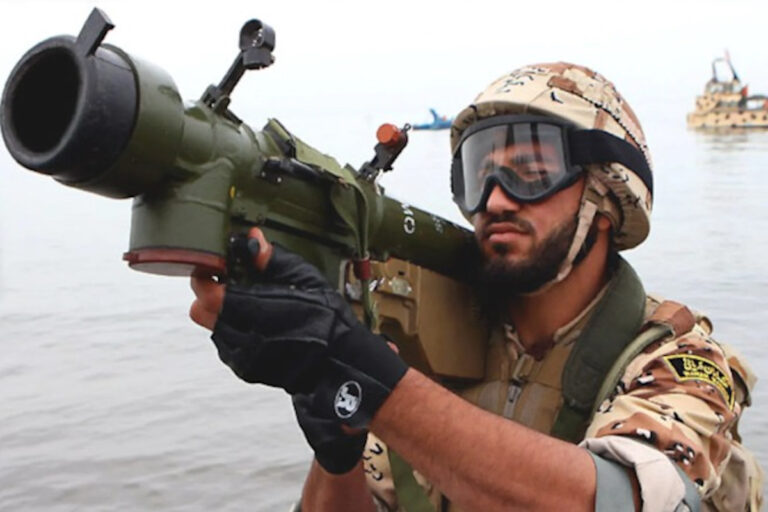
A secret contract between Russia and Iran strengthens Tehran’s air defenses and threatens U.S. influence in the Middle East.
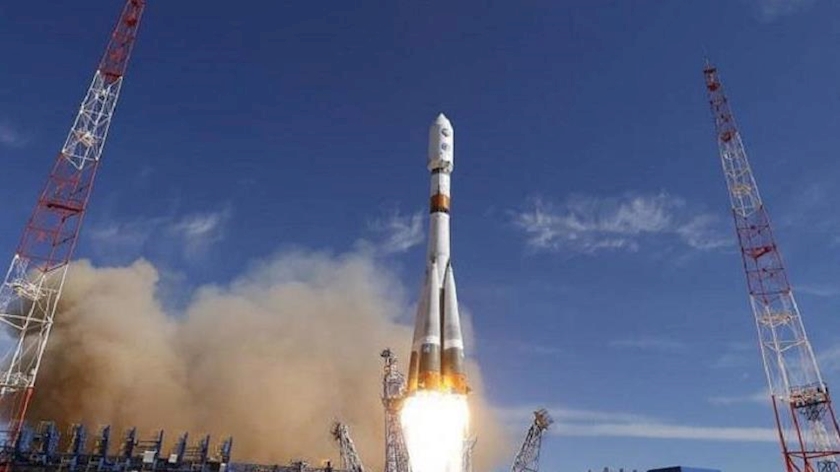
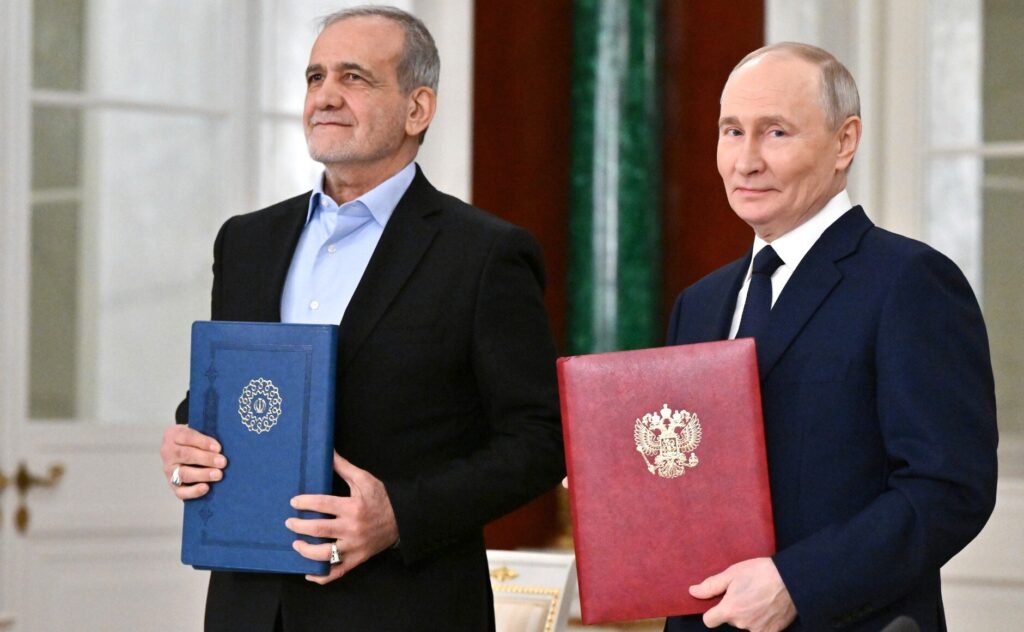
A secret agreement has been concluded between Iran and Russia. Under a €500 million deal, Moscow commits to supplying Tehran with 500 Verba man-portable air-defense system (MANPADS) launchers and 2,500 9M336 missilesbetween 2027 and 2029. The agreement was signed in Moscow in December 2025 between Russia’s state arms exporter and Iran’s Ministry of Defense.
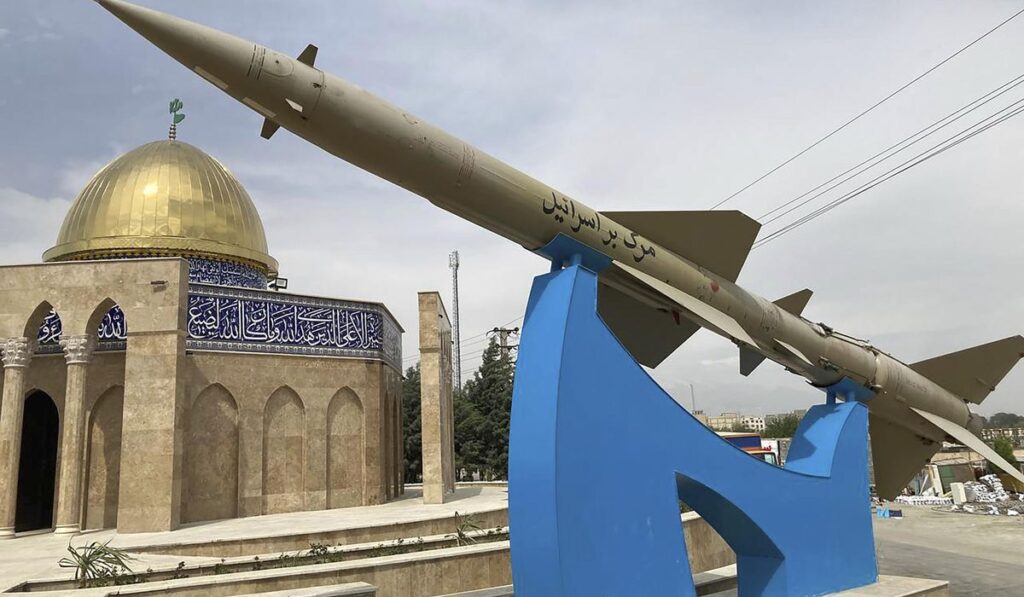
The Verba MANPADS is a modern air-defense system capable of engaging low-flying aircraft, helicopters, cruise missiles, and unmanned aerial vehicles. Deliveries are planned in three tranches over three years, although it is important to note that some equipment may be transferred earlier. This contract has implications not only at the regional level but also for global security.
Strengthening Iran’s air defenses directly affects the ability of U.S. air forces to conduct air operations in regions where American interests are present. With a large number of modern MANPADS, Iran could significantly complicate the use of helicopters and aircraft in the event of a conflict with the United States or its allies.
Such a development creates a potential barrier to air strikes and makes the airspace around Iran more secure. Enhanced air defenses could also force the United States to revise its deterrence strategy in the region. The deepening military partnership between Iran and Russia demonstrates their willingness to resist Western pressure, including sanctions and diplomatic isolation, and reflects a lack of concern about escalating confrontation into the military domain. As a result, U.S. efforts to deter both countries become significantly more difficult.
MANPADS deliveries may also have consequences for the defense strategies of U.S. allies, notably Israel, which would need to seek responses to Iran’s strengthened air-defense posture. The agreement was concluded amid reports of possible U.S. strikes on Iranian military facilities and during complex negotiations over Iran’s nuclear program. The presence of modern portable air-defense systems could alter risk assessments for U.S. and Israeli aircraft.
The deal also signals that Iran does not intend to abandon the expansion of its defensive capabilities despite pressure from Washington. The intensification of ties between Moscow and Tehran strengthens the strategic challenge for the United States in the Eastern Mediterranean and the Persian Gulf.
Iran has long sought to restore and modernize its air-defense systems after damage sustained in previous conflicts, including recent U.S. and Israeli strikes. The contract signed with Russia is part of a broader trend of military cooperation between Moscow and Tehran, which continues despite Western sanctions. Iran and Russia have previously conducted joint military exercises and exchanged military equipment, further reinforcing their strategic partnership.
The strengthening of Iran’s air defenses could shift the balance of power in the Persian Gulf, a region that hosts critical strategic routes and energy infrastructure. This development directly affects U.S. interests related to freedom of navigation and the security of its regional allies. The United States has already significantly increased its presence in the Middle East, deploying additional naval assets and aircraft. At the same time, nuclear negotiations with Iran continue in Washington, but military agreements of this kind between Tehran and Moscow undermine diplomatic efforts.
The secret contract between Russia and Iran предусматриває the delivery of 500 Verba MANPADS and 2,500 missiles in 2027–2029, concluded despite international sanctions. For the United States, this serves as a signal of deepening military cooperation between two authoritarian states.
The enhancement of Iran’s air defenses complicates U.S. strategic planning. Modern MANPADS are capable of effectively intercepting low-flying aircraft, helicopters, and drones, potentially constraining the use of U.S. air power in the event of conflict.
The contract is part of broader Russia–Iran cooperation. The two countries have already conducted joint exercises and exchanged weapons and equipment, creating conditions for the development of new military capabilities. Their military cooperation undermines U.S. diplomatic efforts in a wider context, particularly negotiations over Iran’s nuclear program and conflict prevention.
The secrecy surrounding the agreement complicates risk assessment and forecasting, creates uncertainty for U.S. and allied defense planning, and increases the costs of deterrence. Growing Iranian air-defense capabilities will require additional U.S. military resources and force the development of new strategic solutions.
The Russia–Iran alliance poses a significant challenge to the United States. It undermines traditional deterrence mechanisms, signals a shift in the global balance of power, and compels Washington to adapt its political and military strategies to emerging threats.
The Russia–Iran “Verba” MANPADS Deal and Its Operational Meaning
What is known (and what remains uncertain)
Recent reporting (FT; subsequently picked up by Reuters) describes a €500m contract signed in December 2025 for delivery of 500 Verba MANPADS launchers and 2,500 9M336 missiles in 2027–2029, potentially with some earlier transfers.
Key uncertainty: whether deliveries begin early and whether Iran will retain control of systems or disperse them to partners/proxies.
Why MANPADS matter: They don’t “close the sky,” they tax airpower
MANPADS change the cost curve of air operations. They rarely stop a major air campaign outright, but they:
- Raise attrition risk for helicopters, tilt-rotors, UAVs, and low-altitude fixed-wing profiles.
- Constrain basing, routes, altitudes, and timing (especially for ISR, CSAR, SOF support, and close air support).
- Force resource-intensive countermeasures: escort packages, SEAD/DEAD planning, standoff munitions, ISR “sanitization,” and more expensive flight profiles.
Why that matters for the U.S. in the Gulf/Levant:
- The U.S. and partners rely heavily on persistent ISR, air mobility, and helicopter-dependent missions (SOF insertions, maritime interdiction support, base defense response, recovery operations).
- MANPADS, especially if layered around key nodes (ports, airfields, missile sites), create localized “no-go bubbles” that complicate rapid response.
Why this deal is strategically timed: Iran is rebuilding after air-defense underperformance
Multiple analyses of recent Iran–Israel exchanges describe shortcomings in Iran’s air-defense performance and the pressure this created to reconstitute and diversify defenses (including more mobile, hard-to-pretarget elements).
MANPADS are attractive in that context because they:
- Are dispersable and survivable versus fixed radar sites.
- Complement longer-range systems by threatening low-altitude gaps and UAV/cruise-missile profiles.
The real escalation risk: proliferation beyond Iran’s central control
From a U.S./allied perspective, the most consequential risk is not “Tehran gets Verba,” but where Verba ends up:
- Iranian air-defense modernization can stay national.
- MANPADS leakage can become regional—through transfers to partners aligned with Iran.
Even small numbers dispersed to non-state operators can create persistent air risk around borders, maritime chokepoints, or expeditionary facilities.
Precedent Cases: Russian Air-Defense Exports That Constrained U.S. (and Allied) Operations
Below are precedent cases that show the mechanism: Russian air-defense transfers can raise operational costs, constrain basing/mission profiles, and alter political-military calculations.
Case 1 — Syria: Russia supplies S-300 after 2018, complicating the air environment
After the 2018 incident involving the downing of a Russian Il-20, Russia delivered S-300 (S-300PMU-2) to Syria, widely assessed as raising complexity for air operations in and around Syrian airspace.
Operational effect (relevant to U.S. ops):
- Coalition planners had to treat Syrian airspace as a more contested IADS environment, especially when operating near areas where Russian systems and command-and-control interplay might be present.
- It also reinforced the necessity of deconfliction mechanisms and careful escalation management around Russian deployments (even when the U.S. isn’t the primary target).
Why it’s analogous: Even if Iran’s MANPADS don’t “deny” the U.S. access, they can raise friction and add escalation sensitivity—especially in crises.
Case 2 — Turkey: S-400 purchase directly affected U.S. force posture and interoperability
Turkey’s purchase of Russia’s S-400 triggered major U.S. responses (including removal from the F-35 program and CAATSA sanctions), reshaping alliance air-defense integration and U.S. basing/technology exposure concerns.
Operational effect (relevant to U.S. ops):
- Not a battlefield “air denial” example, but a strategic/operational one: Russian air-defense systems in a NATO country created interoperability and security dilemmas that drove U.S. programmatic and posture changes.
Why it’s analogous: Russian air-defense exports can constrain U.S. options not only kinetically but also through political-military coupling (sanctions, basing access, alliance cohesion, technology protection).
Case 3 — Iran: Russia’s S-300 delivery (after years of delay) increased the strike planning burden
Russia’s eventual delivery of S-300 systems to Iran (post-2015 nuclear deal context) was widely discussed as increasing the difficulty and cost of potential air strikes by the U.S. or Israel, by strengthening Iran’s air-defense architecture around key sites.
Operational effect (relevant to U.S. ops):
- Raised the threshold for “quick” punitive strikes by increasing the required SEAD/DEAD effort and planning complexity.
Why it’s analogous: Verba won’t replicate S-300’s strategic coverage, but it can create a layered defense effect—especially against low-altitude profiles and drones.
Effect on U.S. Operations: What changes if Verba arrives (2027–2029) — and earlier if “pulled forward”
A) Operational constraints (most likely)
- Higher risk for rotary-wing and low-altitude missions in a crisis.
- Increased reliance on standoff munitions and higher-altitude profiles, with tradeoffs in ISR fidelity and responsiveness.
- More intensive pre-strike airspace preparation—time, assets, and political signaling.
B) Escalation management (underappreciated)
- MANPADS are inherently ambiguous in attribution if used by partners/proxies.
- A shootdown (even attempted) becomes a rapid escalatory trigger—especially if it hits a U.S. aircraft or a high-value ISR platform.
C) Diplomatic impact
- This deal signals deeper Russia–Iran military cooperation despite sanctions pressures and diplomatic isolation, complicating U.S. efforts to manage both theaters simultaneously.
Scenarios
Scenario 1 — “Centralized Defense Upgrade” (most stabilizing)
Iran keeps most Verba under centralized command for point defense and training.
- Likelihood: Medium
- Impact: Moderate—raises costs for low-altitude operations but remains geographically bounded.
Scenario 2 — “Distributed Deterrent” (most dangerous)
Iran disperses MANPADS to create overlapping threat rings around sensitive nodes and along potential ingress routes.
- Likelihood: Medium
- Impact: High—complicates ISR, CSAR, and rapid strike planning.
Scenario 3 — “Proxy Diffusion” (highest escalation volatility)
A portion leaks to aligned non-state actors.
- Likelihood: Low–Medium (depends on Iran’s risk tolerance)
- Impact: Very high—creates chronic aviation risk and increases probability of a crisis-triggering incident.
Civil Aviation Risks: Lessons from the January 2020 Downing of UIA Flight 752
On 8 January 2020, Ukraine International Airlines Flight 752 — a Boeing 737-800 carrying 176 passengers and crew — was shot down shortly after takeoff near Tehran by surface-to-air missiles fired by Iran’s Islamic Revolutionary Guard Corps (IRGC) air-defense units. The missiles struck the airliner amidst heightened military alert following U.S.–Iran tensions, killing everyone aboard. Iran later admitted the shootdown was a mistaken identity error, where the civilian aircraft was misidentified as an incoming military threat.
This incident highlights several acute risks civilian aviation faces when sophisticated air-defense systems proliferate:
1. Misidentification in High-Tension Environments
The IRGC misidentified Flight 752 as an incoming cruise missile during a period of military alert following missile exchanges with the United States. This error underscores how combat air-defense readiness — even absent active warfare — can lead to fatal misclassification of civilian aircraft.
Civil aviation authorities and international bodies (ICAO) have since revised risk assessment standards to better account for MANPADS and other air-defense threats in conflict zones. ICAO’s updated Risk Assessment Manual now explicitly covers MANPADS and ballistic missile threats, as well as procedures for airspace closure and enhanced coordination between civil and military authorities.
MANPADS and Similar Air-Defense Systems Can Create New Threat Layers
In the context of a deal like the Russian supply of Verba MANPADS to Iran, the presence of additional portable surface-to-air systems compounds the risk picture for civil aircraft:
- MANPADS are designed for low-altitude engagements, which coincides with the flight envelopes used by civil airliners during takeoff, landing, and final approach. Their proliferation around civilian air corridors therefore increases the likelihood of accidental engagements if systems are misused or misidentified in the absence of strict risk mitigation measures.
- Unlike fixed, high-end air-defense systems with elaborate Identification Friend or Foe (IFF) protocols, MANPADS may be deployed in dispersed, mobile configurations, making centralized airspace management and risk de-confliction more challenging for civil aviation authorities.
The international aviation community’s post-PS752 updates — including better civil–military coordination, real-time threat reporting, and more conservative airspace closure criteria — directly reflect these concerns.
Airspace Closure and NOTAM Coordination
Experience with Flight 752 has influenced how states and civil aviation organizations handle airspace risk:
- ICAO and national aviation authorities now emphasize early issuance of NOTAMs (Notices to Airmen/Airspace Users) when military activity or air-defense operations present a risk.
- Airlines more frequently reroute flights away from conflict zones or high-threat regions, which increases operational costs and can lengthen flight times.
The PS752 tragedy was one catalyst for these changes internationally, especially in regions like the Middle East and near Russia’s war in Ukraine.
Broader Implications for U.S. and Allied Civil Aviation
The risks illustrated by PS752 don’t remain limited to Iran. Similar dynamics can arise wherever military air-defense systems and civilian air traffic intersect under high tension:
- Conflict zones near Ukraine have seen airspace closures and rerouting due to concerns about air-defense engagement.
- As modern air-defense systems (including portable ones like MANPADS) spread regionally, civil air traffic control and airlines must integrate increasingly complex military threat information into flight planning.
Civil aviation risk is no longer confined to declared wars; miscommunication, high alert postures, and dispersed air-defense systems elevate risks in volatile regions even during peacetime.
The PS752 incident remains a stark reminder that even advanced air-defense networks, when integrated with civil aviation risk, can have catastrophic consequences without robust safeguards, transparent procedures, and real-time coordination mechanisms.
The January 2020 downing of Flight 752 illustrates how air-defense systems — especially MANPADS and mobile SAMs operating in tense environments — can inadvertently threaten civilian aircraft. Any expansion of such capabilities (e.g., through Russian exports) complicates civil aviation safety, airspace risk assessment, and flight routing. It also reinforces why international coordination (ICAO, FAA, EASA) and civil–military de-confliction procedures are essential to mitigate the danger of accidental shootdowns in the future.
1. Why the Risk Exists: MANPADS and Terrorist Appeal
MANPADS are particularly attractive to terrorist groups because they are:
- Portable and easy to conceal
- Operable by small teams with modest training
- Capable of threatening low-flying military aircraft and helicopters
These characteristics also make them attractive to non-state actors and criminals, which increases the risk of leakage from state stockpiles or battlefield captures. There are an estimated thousands of MANPADS outside government control globally, often on the black market.
According to historical assessments, more than two dozen terrorist and insurgent groups have been confirmed or are believed to have possessed MANPADS at various times.
Historical Cases Where MANPADS Ended Up in Terrorist or Irregular Hands
• UNITA and Bulgarian SA-7s (1990s)
Fraudulent end-user certificates allowed at least 100 Bulgarian SA-7 MANPADS to be delivered to Angola, where they ultimately reached UNITA rebels — a guerrilla movement, sometimes linked to acts of terror and destabilization.
• Libyan Support to Terrorist Groups (1970s–1980s)
During the 1970s and 1980s, Libya supplied its client and allied insurgent groups (including the IRA and PFLP)with MANPADS — in part enabling attacks on military and symbolic aircraft targets.
• Al-Qaeda and Black Market Acquisition
Various reports have indicated that Al-Qaeda and affiliated actors have obtained MANPADS via jihadist channels and black-market arms networks, including older Soviet SA series missiles and Western-made Stinger variants.
• Mombasa Attack (2002)
In November 2002, two SA-7 missiles were fired at an Arkia Boeing 757 departing Mombasa, Kenya — widely assessed as a terrorist-linked attempt on a civilian airliner.
• Multiple Attacks Across Conflicts
Over several decades, MANPADS have been used or recovered during conflicts involving non-state actors, including insurgents in Africa and the Middle East. A RAND analysis notes that about 60 civilian aircraft have been struck by MANPADS since 1975, resulting in more than 1,000 deaths.
Why Leakage Could Increase with Proliferation
• Battlefield Capture
Weapons flowing into unstable conflict zones often circulate further when depots are overrun or poorly secured. The Small Arms Survey notes that MANPADS stolen or looted from Libya and Syria have spread widely across the region, sometimes entering black markets accessible to militant groups.
• Weak Controls and Black Market Sales
Despite export control frameworks (e.g., Wassenaar Arrangement), illicit transfers still occur through theft, corrupt intermediaries, or wars that displace weapons. Export control lapses in the 1990s and early 2000s led to MANPADS flowing to unauthorized actors, including those with terrorist links.
• Motivations for Terrorist Acquisition
Non-state actors and terrorists often seek MANPADS because:
- They offer an asymmetric threat capability against helicopters, transport aircraft, and potentially civilian airliners.
- They are relatively low-cost and hard to track once in irregular hands.
Probability of Leakage into Terrorist Hands (Analytical Assessment)
While precise probabilities are difficult to quantify, several factors elevate the risk:
High Risk Factors
- Conflict zones with weak governance (where weapons circulate easily)
- Large state stockpiles in areas with poor inventory control
- Dispersal to proxy militias or allied groups without strict safeguards
Moderate Risk Indicators
- Proliferation through arms brokers or organized crime networks
- Battlefield capture during wars involving multiple non-state actors
Low Risk Without Safeguards
- When state stockpiles are tightly controlled with tracking, separation of missiles and launchers, and strict export licensing, leakage is reduced.
Implications of Terrorist Possession of MANPADS
• Civil Aviation Threat
A terrorist-launched MANPADS attack on a civilian aircraft — although rare — could be catastrophic, leading to massive loss of life and economic shock.
• Military Planning Disruption
Irregular possession forces changes in routing, air-support doctrine, and risk assessment for helicopters and fixed-wing operations in conflict zones.
• Encouraging Weapon Control Measures
Historical leakage underscores the need for:
- Stringent stockpile management
- End-user verification
- Interdiction of illicit transfers
- International cooperation to prevent diversion
These measures are central to export-control regimes designed to curb unauthorized use by non-state actors.
Chances of MANPADS Leaking to Terrorist Groups
- Moderate likelihood in unstable conflict environments or where weapons are poorly secured.
- Historical precedent exists for transfers to terrorist or militant groups via black markets or lax controls.
- Man-portable systems are inherently more vulnerable than integrated air-defense networks due to their portability and ease of concealment.
1. What MANPADS Actually Change in Combat
What Verba MANPADS can do
The Verba system is designed to:
- Engage low-flying aircraft, helicopters, UAVs, cruise missiles
- Operate from dispersed, mobile positions
- Exploit infrared + UV guidance, making it harder to spoof than older systems
This matters because U.S. and Israeli forces rely heavily on:
- Persistent ISR UAVs
- Helicopters and tilt-rotor aircraft
- Low-altitude ingress/egress corridors
- CSAR (combat search and rescue)
MANPADS directly threaten these mission sets, not high-altitude strike aircraft.
Impact on U.S. Operations
A. Tactical Effects (High confidence)
For the U.S., enhanced Iranian MANPADS would:
- Increase risk to ISR drones operating near Iranian airspace
- Complicate SOF insertion/extraction
- Raise attrition risk for helicopters and airlift
- Force higher-altitude profiles, reducing ISR fidelity
These effects are real but manageable with escorts, standoff ISR, and counter-MANPADS measures—at higher cost and reduced tempo.
B. Operational Effects (Medium–High confidence)
MANPADS slow the opening phase of any U.S. campaign by:
- Forcing early SEAD/DEAD allocation
- Increasing sortie protection requirements
- Complicating basing and route planning in the Persian Gulf and Iraq
This does not stop U.S. operations—but it buys Iran time, which is strategically valuable.
C. Strategic Effects (Limited but non-trivial)
MANPADS alone do not deter U.S. strikes.
However, when layered with:
- Longer-range SAMs
- Ballistic missile threats
- Proxy attacks
They raise escalation thresholds and increase political risk.
Impact on Israeli Operations (More Acute)
Why Israel is more affected than the U.S.
Israel operates:
- Closer to Iranian airspace
- With shorter warning times
- With greater reliance on low-altitude penetration and UAVs
- Under tighter political and escalation constraints
For Israel, Verba MANPADS matter more.
A. Effects on Israeli Strike Doctrine (High confidence)
Strengthened Iranian MANPADS would:
- Reduce flexibility for low-altitude ingress
- Increase risk to UAV reconnaissance and loitering munitions
- Complicate repeated strike waves rather than single raids
Israel can overcome this—but at the cost of:
- More standoff munitions
- More complex strike packages
- Higher exposure time
B. Escalation and Proxy Risk (Very high concern)
If even small numbers of MANPADS reach Iranian-aligned groups:
- Hezbollah
- Militias in Syria or Iraq
- Houthi-linked actors
Then Israeli helicopters, UAVs, and border patrol aircraft face a persistent, unpredictable threat.
This is Israel’s primary red line.
The Biggest Risk Is Not Iran — It’s Proliferation
Why this matters more than the systems themselves
Historically, the most dangerous MANPADS outcomes come from:
- Leakage
- Unauthorized transfers
- Poor command-and-control
Even if Iran intends to retain control, history shows:
- Portable systems migrate in crises
- Attribution becomes ambiguous
- One shootdown can trigger escalation
This risk directly affects civil aviation and crisis stability.
Civil Aviation and Crisis Escalation Risk (Critical)
The January 2020 shootdown of a Ukrainian airliner demonstrated that:
- High alert + air-defense density + poor coordination = catastrophe
- MANPADS increase risk during takeoff/landing phases
Expanded MANPADS coverage around Iran:
- Raises insurance and routing costs
- Forces airspace closures
- Increases chance of misidentification during crises
This is a global risk, not just a military one.
6. Precedent: Russian AD Exports That Changed the Game (But Didn’t Win Wars)
| Case | Effect |
| Syria (S-300) | Raised complexity; did not stop Israeli or U.S. strikes |
| Iran (S-300) | Increased strike planning burden |
| Turkey (S-400) | Strategic political constraint, not air denial |
| Libya (MANPADS leakage) | Long-term civil aviation and regional instability |
Lesson: Russian air-defense exports rarely create denial—but often create persistent friction and escalation risk.
Bottom Line Assessment
For the United States
- No loss of air superiority
- Higher operational cost and slower timelines
- Increased escalation and civil aviation risk
For Israel
- No loss of strike capability
- Reduced tactical flexibility
- Higher risk from proxy proliferation
- Greater escalation volatility
The Russia–Iran MANPADS deal does not fundamentally alter the military balance between Iran and the United States or Israel. However, it significantly increases the tactical and operational costs of air operations, complicates early-phase strike planning, and heightens escalation and civil-aviation risks—especially if systems are dispersed beyond centralized Iranian control. The true danger lies not in air denial, but in friction, miscalculation, and proliferation.
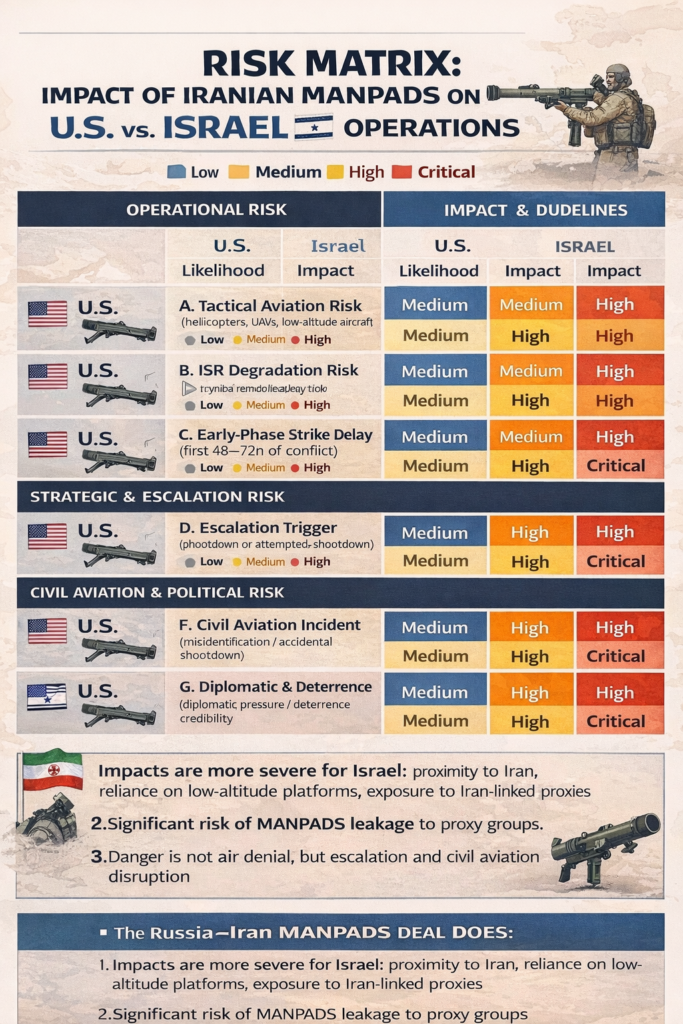
Risk Matrix: Impact of Iranian MANPADS on U.S. vs. Israeli Operations
Methodology
- Likelihood: Low / Medium / High
- Impact: Low / Medium / High / Critical
- Time horizon: first 12–36 months after initial deliveries (including early/partial transfers)
Operational & Military Risks
A. Tactical Aviation Risk (helicopters, UAVs, low-altitude aircraft)
| Actor | Likelihood | Impact | Assessment |
| United States | Medium | Medium | U.S. forces can adapt via altitude, escorts, standoff ISR; costs rise but missions remain viable |
| Israel | High | High | Israel relies more on UAVs, helicopters, and repeated low-altitude operations near Iran-linked theaters |
Key driver: proximity, frequency of missions, and reliance on low-altitude profiles.
B. ISR Degradation Risk
| Actor | Likelihood | Impact | Assessment |
| United States | Medium | Medium | Shift to higher-altitude ISR reduces fidelity but not coverage |
| Israel | High | High | Persistent ISR near Iranian and proxy zones becomes riskier and less flexible |
C. Early-Phase Strike Delay (first 48–72 hours of conflict)
| Actor | Likelihood | Impact | Assessment |
| United States | Medium | Medium | Additional SEAD/DEAD planning slows tempo but does not block action |
| Israel | High | High | Small delays materially affect Israel’s escalation control and strike sequencing |
Strategic & Escalation Risks
D. Escalation Trigger Risk (shootdown or attempted shootdown)
| Actor | Likelihood | Impact | Assessment |
| United States | Medium | High | Any loss of U.S. aircraft risks rapid escalation and global repercussions |
| Israel | High | Critical | Even a single shootdown could force immediate escalation across multiple fronts |
E. Proxy Proliferation Risk (MANPADS leakage)
| Actor | Likelihood | Impact | Assessment |
| United States | Medium | High | Affects bases, aviation corridors, and partners regionally |
| Israel | High | Critical | MANPADS in hands of Hezbollah or Syria-based groups is a red-line threat |
Key driver: Iran’s historical pattern of distributing advanced weapons to aligned non-state actors.
Civil Aviation & Political Risk
F. Civil Aviation Incident Risk (misidentification / accidental shootdown)
| Actor | Likelihood | Impact | Assessment |
| United States | Medium | High | Global aviation disruption; U.S. bears diplomatic and regulatory burden |
| Israel | Medium | High | Regional airspace closures; high reputational and economic impact |
Historical anchor: January 2020 downing of a Ukrainian civilian airliner.
G. Diplomatic & Deterrence Credibility Risk
| Actor | Likelihood | Impact | Assessment |
| United States | Medium | Medium | Signals erosion of deterrence, but U.S. retains escalation dominance |
| Israel | High | High | Directly affects deterrence messaging and freedom of action |
Aggregate Risk Scorecard
| Dimension | United States | Israel |
| Tactical aviation risk | Medium | High |
| ISR degradation | Medium | High |
| Early-phase strike delay | Medium | High |
| Escalation trigger | High | Critical |
| Proxy proliferation | High | Critical |
| Civil aviation risk | High | High |
| Overall severity | Medium–High | High–Critical |
- he deal is more dangerous for Israel than for the United States.
Israel’s proximity, reliance on low-altitude platforms, and exposure to proxies amplify risk. - MANPADS do not deny airpower — they tax it.
The strategic effect is not air denial, but slower tempo, higher cost, and escalation sensitivity. - Proliferation is the decisive risk multiplier.
If MANPADS spread beyond centralized Iranian control, the threat profile shifts from “manageable” to structurally destabilizing. - Civil aviation risk is non-theoretical.
The 2020 incident shows how air-defense alertness plus misidentification can produce catastrophic outcomes even without active war.
While the Russia–Iran MANPADS deal does not eliminate U.S. or Israeli air superiority, it creates a disproportionately higher risk environment for Israel and introduces escalation and civil-aviation dangers that could rapidly transform a limited crisis into a regional conflict.
More on this story: Russia–Iran Defense Convergence: Strategic Implications for U.S. Policy

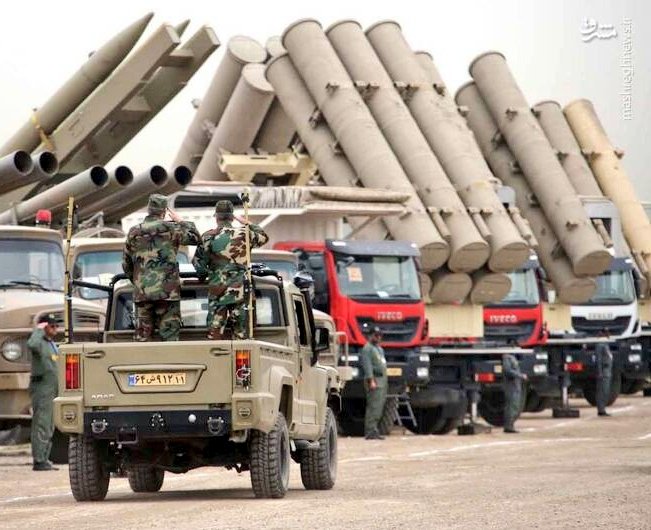
More on this story: Axis of Arms: Russia and Iran’s Expanding Shadow Trade”
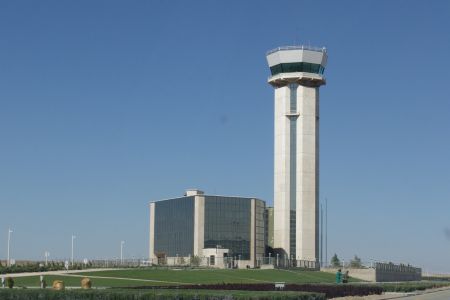
More on this story: Iran continues to hide information on PS752 crash