
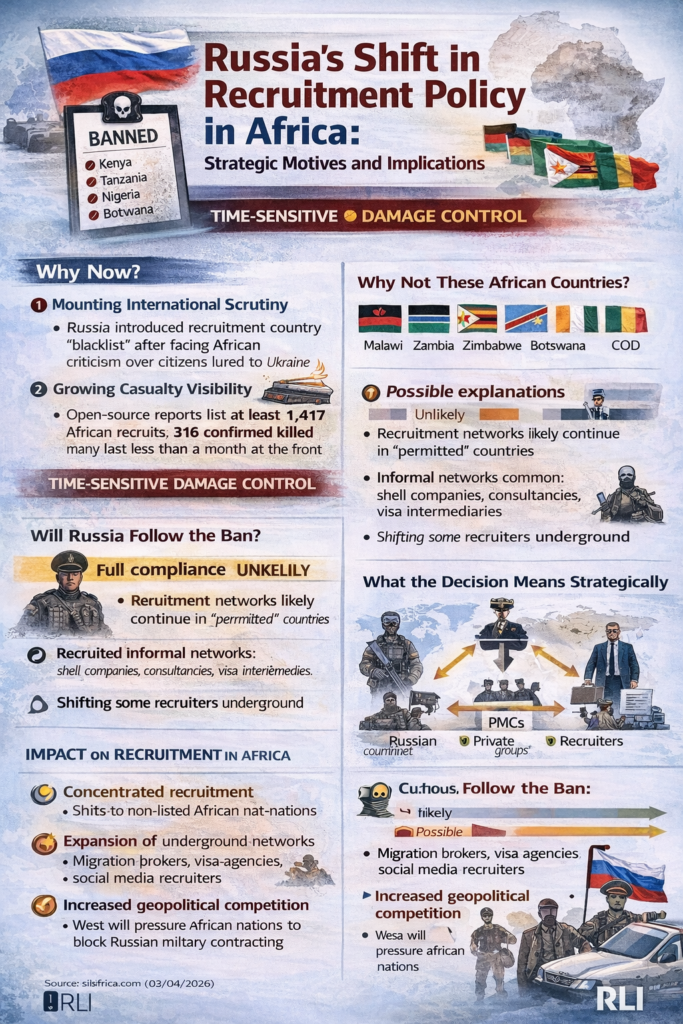
Recent revelations that Russia introduced a blacklist” of countries where recruitment for the Russian military is prohibited—while leaving several African states outside the ban—indicate a recalibration rather than a retreat from Moscow’s African recruitment strategy. Countries such as Malawi, Zambia, Zimbabwe, Botswana, and the Democratic Republic of Congo were notably excluded from the list, meaning recruitment from these states may continue despite international scrutiny.
The decision likely reflects a combination of diplomatic pressure management, recruitment optimization, and strategic influence operations in Africa. Rather than ending recruitment, Moscow appears to be concentrating efforts in politically permissive environments where governments have shown limited opposition.
Why Russia Made This Decision Now
A. Mounting international scrutiny
The policy change follows growing criticism from African governments and international media regarding recruitment schemes that allegedly misled African citizens into joining the war in Ukraine. Reports indicate that thousands of Africans have been recruited, often through deceptive job offers.
In response, Moscow appears to have introduced the blacklist as a damage-control measure to reduce diplomatic friction with countries that publicly protested.
Strategic purpose
The blacklist helps Russia:
- reduce political backlash from African governments
- maintain diplomatic relationships with key partners
- shift recruitment operations to less politically sensitive countries
In other words, the decision is reputational management rather than a fundamental policy shift.
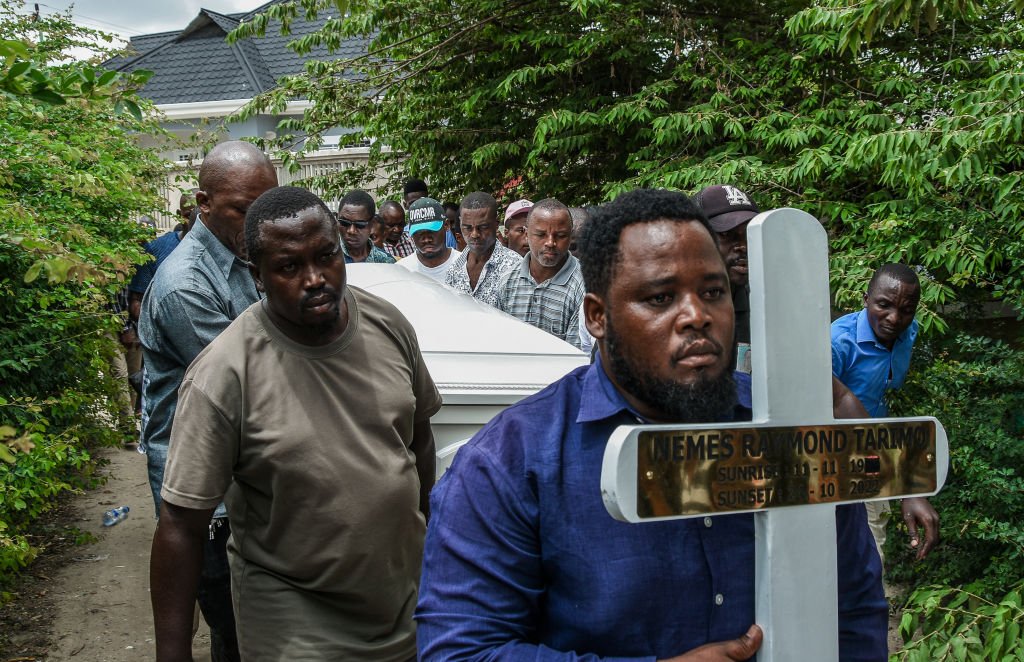
B. Growing casualty visibility
Reports show significant casualties among foreign recruits. According to OSINT investigations cited in the article:
- 1,417 African recruits identified
- 316 confirmed killed
- many survived less than one month at the front
These numbers increase political pressure on African governments and amplify public criticism.
Therefore, Moscow’s partial recruitment ban is likely intended to reduce international attention while preserving access to manpower.
2. Why Moscow Left Some African Countries Off the Ban
The most striking aspect of the decision is not the blacklist itself, but the countries excluded from it.
Countries omitted from the ban include:
- Malawi
- Zambia
- Zimbabwe
- Botswana
- Democratic Republic of Congo
- Ivory Coast
- Togo
- Benin
Possible explanations
A. Political permissiveness
Some of these states have not publicly protested recruitment activities, unlike countries such as Kenya or Tanzania.
Russia therefore likely assessed them as lower diplomatic risk environments.
B. Socioeconomic vulnerability
Recruitment networks often target:
- unemployed youth
- students seeking scholarships
- migrants seeking employment abroad
African countries with higher youth unemployment provide large pools of economically vulnerable recruits, making recruitment easier.
C. Established Russian networks
Russia has expanded influence in several of these countries through:
- Wagner-linked security networks
- mining and security contracts
- political advisory operations
- diplomatic and military cooperation
Existing networks can facilitate recruitment logistics and information campaigns.
Will Russia Follow the Recruitment Restrictions?
Official compliance: likely partial
Publicly, Moscow will likely claim compliance with the blacklist to limit diplomatic pressure.
However, evidence suggests recruitment networks may simply shift to informal channels.
Investigators reportedly found recruiters operating through:
- WhatsApp groups
- shell companies
- visa intermediaries claiming links to Russian security agencies.
This indicates that recruitment may increasingly move into clandestine or semi-private networks rather than official state channels.
What the Decision Means Strategically
A. Institutionalization of foreign manpower
The policy signals that foreign recruitment has become structurally important for Russia’s war effort.
Foreign volunteers serve several strategic purposes:
- supplement manpower shortages
- fill high-risk infantry roles
- reduce domestic political costs of casualties
This mirrors historical practices used by other powers during prolonged conflicts.
B. Hybrid recruitment model
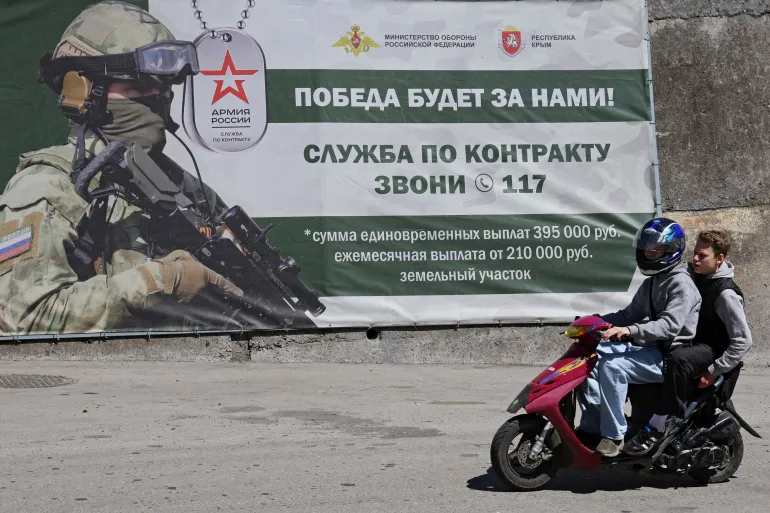
Russia is increasingly relying on a hybrid recruitment ecosystem, combining:
- formal military contracts
- private military companies
- recruitment intermediaries abroad
This approach allows Moscow to maintain plausible deniability while sustaining manpower flows.
5. Impact on Recruitment in Africa
Short-term impact
Recruitment is unlikely to decrease significantly.
Instead, it will likely:
- concentrate in countries not on the blacklist
- move toward informal recruitment channels
Medium-term effects
A. Expansion of underground recruitment networks
Recruitment may increasingly occur through:
- migration brokers
- visa agencies
- social media intermediaries
This makes oversight by African governments more difficult.
B. Increased geopolitical competition in Africa
Western governments may intensify pressure on African states to prevent recruitment.
This could transform the issue into a diplomatic battleground between Russia and Western states in Africa.
C. Potential backlash within African societies
As casualty information spreads, African governments may face domestic pressure to:
- restrict recruitment
- investigate trafficking networks
- impose legal penalties on recruiters
Strategic Consequences for Russia
The recruitment policy shift suggests three broader strategic realities:
Russia faces sustained manpower pressure
The war has created demand for continuous replacement personnel, including foreign fighters.
Moscow prioritizes diplomatic flexibility
Rather than abandoning recruitment, Russia is managing optics while preserving access to manpower.
Africa remains a key geopolitical theater
Recruitment networks overlap with Russia’s broader strategy in Africa, which includes:
- security partnerships
- resource access
- political influence operations
Russia’s partial recruitment ban represents a strategic adjustment rather than a retreat. By restricting recruitment in politically sensitive countries while leaving others available, Moscow aims to balance diplomatic pressure with its need for manpower.In practice, the decision will likely lead to more clandestine recruitment networks and geographic shifts rather than a genuine decline in African recruitment. As a result, Africa will remain an important—though controversial—source of auxiliary manpower for Russia’s military operations.
More on this story:From Soft Power to Strategic Leverage: Russia’s Academic Footprint in Kenya