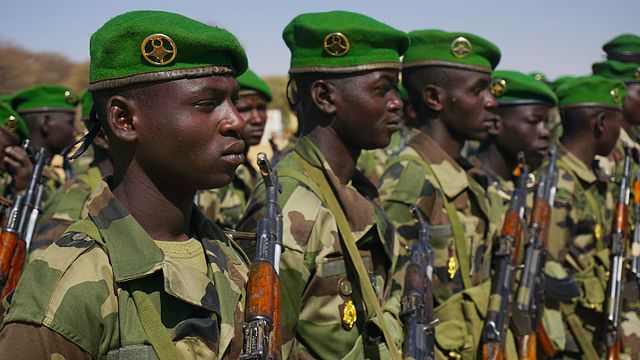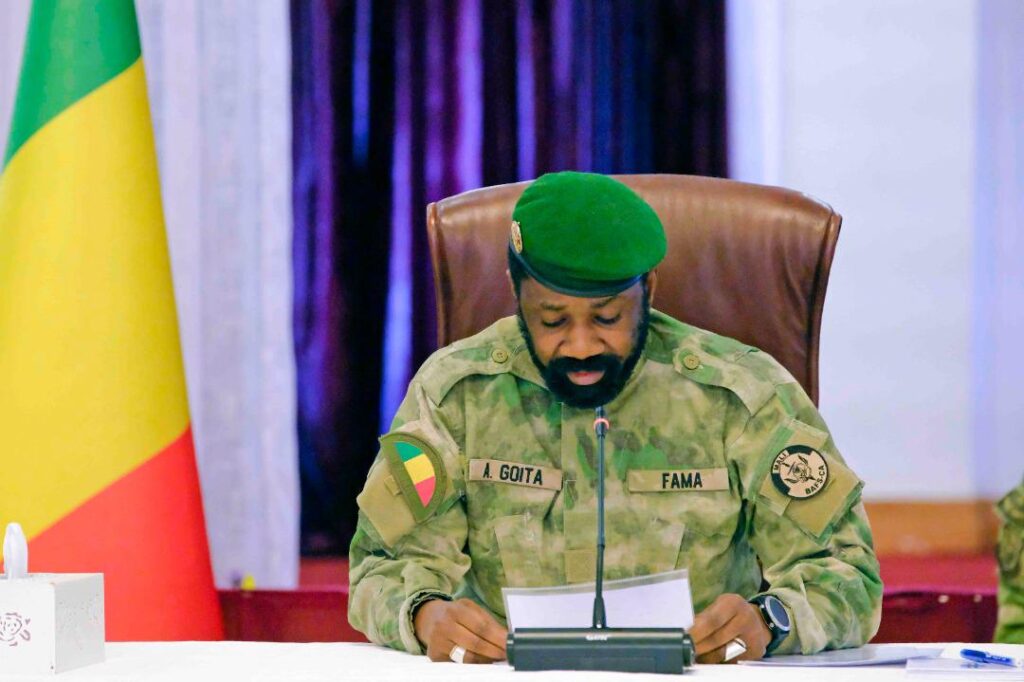

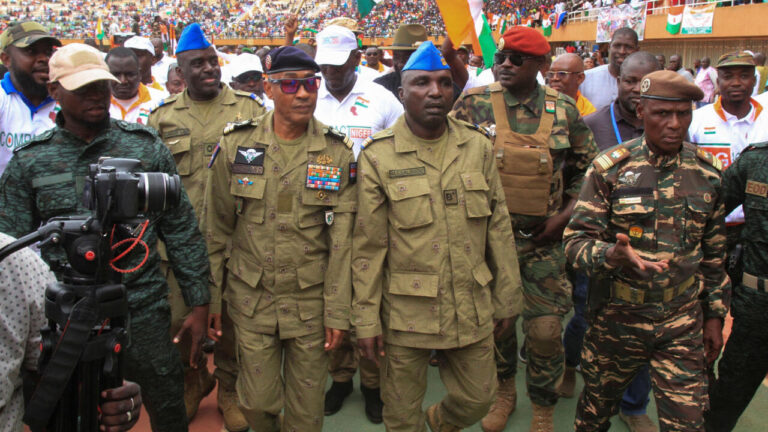
A member of Niger’s ruling junta has urged his country’s citizens to prepare for “war” with France, as relations with the former colonial power hit new lows.
Why Now: Strategic Timing of the Threat
The public call to “prepare for war” with France by a member of Niger’s ruling military leadership follows deep deterioration in relations between Niamey and Paris since the 2023 coup, which ousted elected President Mohamed Bazoum and led to a sharp break with France.
Since the coup:
- The junta expelled French troops and ended military agreements with Paris.
- Anti-French rhetoric and nationalist sentiment have been amplified by domestic political movements and protests demanding the French military leave.
- Leaders have repeatedly accused France of trying to destabilize Niger, often without presenting evidence.
The call to prepare for war appears to be a function of political messaging rather than an immediate existential military conflict — designed to rally internal support, frame France as an external enemy, and signal defiance as ties with former colonial power deteriorate.
Is War Possible? Assessing the Likelihood
Direct military conflict with France:
Highly unlikely in the near term.
France has denied intentions to attack Niger and has consistently framed the withdrawal of troops as non-hostile.
France’s defense posture is no longer based in Niger: its forces left months after the coup, and Paris is not maintaining a forward combat presence there.
Paris would almost certainly avoid a kinetic clash with Niger’s military that could risk escalation with other African states and draw international condemnation.
Indirect or proxy hostilities:
More plausible than direct war, but still low probability. This might involve:
- Clashes between Nigerien forces and French interests elsewhere in the region
- Heightened tensions in border zones or airport incidents
- Crime or sabotage framed as French-linked actions (as seen in recent accusations of French involvement in a Niger attack).
Even here, there’s no verified evidence that France is preparing an offensive, and such narratives are likely being used to mobilize nationalist sentiment and legitimize the junta’s rule.
Possible Scenarios
Below are the most realistic conflict dynamics:
Rhetorical escalation without combat (most likely)
The junta uses war rhetoric to:
- Consolidate domestic power
- Distract from economic hardship
- Justify crackdowns on dissent
Such rhetoric could persist without actual military engagement.
Border or security incident spirals (medium outcome)
Uneasy security dynamics near shared borders or at key infrastructure sites (e.g., airports or uranium facilities) could lead to:
- Skirmishes
- Accidental clashes misattributed to “French forces”
But this would be localized, not full-scale war.
Regional bloc tension increases
Niger’s alignment with the Alliance of Sahel States against ECOWAS (which includes some French-aligned states) could deepen regional polarization.
Underlying Causes of the Crisis
Several overlapping drivers help explain the junta’s war rhetoric:
Post-colonial resentment & nationalist mobilization
Many segments of Nigerien society view France’s colonial past and continued influence with suspicion, particularly after repeated foreign military operations and economic ties since independence.
Coup-era legitimacy crisis
The military government lacks democratic legitimacy at home and abroad. Nationalist rhetoric — portraying France as an enemy — helps:
- Validate the junta’s power
- Distract from economic problems like inflation and shortages
- Consolidate support among nationalist and anti-ECOWAS movements
Regional trends in the Sahel
Similar patterns in Mali and Burkina Faso — where anti-French sentiment and coups have occurred — create a broader narrative of breaking French influence in the region.
Russia’s Role and Strategic Interests
Not direct military backing for war with France
There is no evidence that Russia has directly encouraged Niger to go to war with France.
Still, Russia’s influence is a key geopolitical factor:
1) Diplomatic alignment
Niger’s junta has sought friendship with Russia, partly to replace Western partnerships and security cooperation.
2) Security assistance
Small Russian military advisory elements — from structures like the Russia-linked Africa Corps — have been present in Niger, especially after Western forces exited.
Narrative support
Anti-Western, anti-colonial rhetoric that criticizes France and the U.S. fits well with Russian influence operations in the Sahel — reinforcing narratives of sovereignty, anti-imperialism, and opposition to Western “neo-colonial” interference.
Russia’s strategy appears to be opportunistic: it seeks to fill influence vacuums left by withdrawn Western forces, but it is not the driver of the war threat. Instead, it benefits from the narrative dynamic that isolates Niger from its former partners.
Potential Consequences
Domestic consequences in Niger
- Further polarization between pro- and anti-France segments;
- Increased propaganda use to shore up the junta’s domestic standing;
- Risk of economic hardship due to sanctions, isolation, and reduced foreign investment.
Regional security implications
- ECOWAS relations further fray, especially if Niger distances itself from regional organizations and aligns more with anti-Western blocs.
- Militias and insurgent groups may exploit instability, worsening security and humanitarian conditions
France and Western policy
- France may continue diplomatic distancing and consular protection for its citizens, but is unlikely to reintroduce military operations
- Continued pushback against French influence could encourage alternative partners (e.g., Russia, Turkey, Gulf states)
Russian strategic positioning
- Russia may gain more influence as a political counterweight to Western presence
- Continued military advisor deployments can raise concerns over Russian footprint expansion in the Sahel, even if limited
- War talk is primarily rhetorical and political, not a reflection of imminent military conflict between Niger and France.
- Actual war remains unlikely, especially given France’s lack of troops in Niger and Paris’s denials of hostile intent.
- The threat serves domestic and regional political purposes for the junta: consolidating legitimacy and framing anti-French, anti-Western narratives.
- Russia’s role is strategic but secondary — its influence is more about positioning than direct instigation.
Overall, the risk isn’t that war will break out, but that escalatory rhetoric deepens Niger’s geopolitical pivot away from France, with significant implications for regional alliances and security dynamics.

More on this story: Niger coup: Russia likely behind