
In October 1962, General Curtis LeMay urged John F. Kennedy to attack Soviet missile installations in Cuba. The Joint Chiefs of Staff favored military action, and several advisers believed Khrushchev would retreat if Washington demonstrated sufficient resolve. Kennedy feared Soviet retaliation against West Berlin, where American and allied troops defended an enclave surrounded by Soviet-controlled territory. He ordered a naval quarantine, exchanged messages with Khrushchev, and accepted a settlement that included the withdrawal of Soviet missiles from Cuba and a confidential American commitment to remove Jupiter missiles from Turkey. The Turkish government had depended on those missiles as part of NATO’s deterrent, and Kennedy kept the concession confidential partly because disclosure could have damaged allied confidence in American commitments.
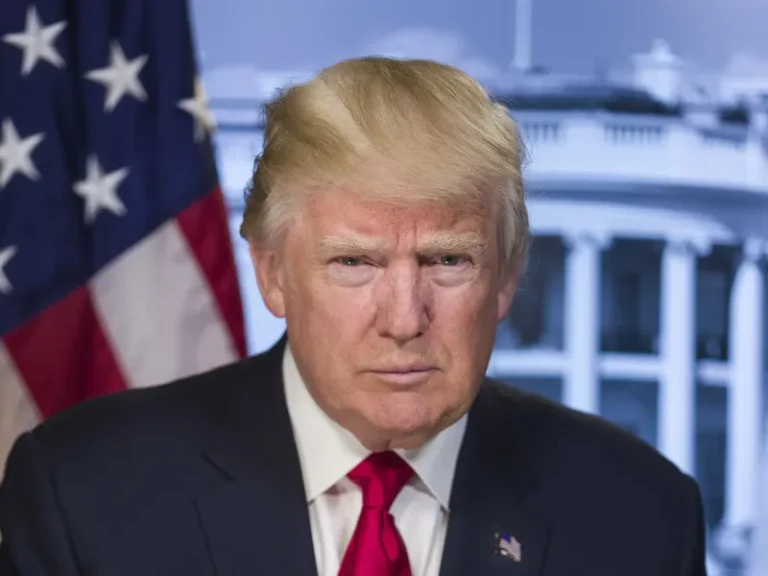
In November 2026, Donald Trump’s representatives negotiate with Vladimir Putin’s government while Russian troops occupy Ukrainian territory. Qatar has offered the president a luxury Boeing aircraft worth hundreds of millions of dollars. Saudi Arabia’s sovereign wealth fund committed $2 billion to Jared Kushner’s investment firm, while an Emirati national security official reportedly acquired a substantial stake in a Trump family cryptocurrency venture before Washington approved expanded access to sensitive American technology. Steve Witkoff, whose family has held interests in that business, participates in negotiations involving Russia and the Middle East. Russian officials have promoted energy transactions that would restore Moscow’s export revenues while demanding concessions concerning Ukrainian territory and European security.
Kennedy’s advisers argued about how to prevent nuclear war. Trump’s administration has to explain why officials involved in sensitive negotiations maintain family financial relationships with foreign investors whose governments seek favorable decisions from Washington. The question becomes especially urgent when those negotiations concern Russian sanctions, advanced technology exports, or the security of countries that depend on American commitments.
Presidential Power and Private Wealth
In January 2025, Aryam Investment 1, an investment vehicle reportedly backed by UAE national security adviser Sheikh Tahnoon bin Zayed Al Nahyan, agreed to acquire 49 percent of World Liberty Financial for $500 million. Reporting indicated that $187 million of the initial payment went to Trump family entities, while at least $31 million went to entities associated with Steve Witkoff’s family. Months later, Washington approved expanded access to advanced American artificial intelligence chips for the UAE, including technology benefiting G42, which Tahnoon chairs.
G42 had previously attracted American scrutiny because of its relationships with Chinese technology companies, particularly Huawei. The approved computing capabilities have military and intelligence applications. Tahnoon consequently occupied two positions relevant to Washington’s decision: investor in a business associated with the American president’s family and chairman of a company benefiting from access to sensitive American technology. The investment preceded the approval, although establishing improper influence would require evidence concerning communications and official decision-making.
Witkoff, a longtime Trump associate and World Liberty Financial co-founder, assumed responsibility for negotiations involving Russia and the Middle East. His son Zach became chief executive of World Liberty Financial. Foreign investors in the company therefore maintained commercial relationships with a family whose patriarch participated in negotiations affecting their governments and investment markets.
In 2025, Qatar offered Trump a luxury Boeing 747-8 valued at hundreds of millions of dollars. The Pentagon accepted the aircraft for potential presidential use, with extensive modifications required to meet security standards. Plans discussed at the time included a possible eventual transfer to Trump’s presidential library. The offer coincided with Trump-branded commercial development in Qatar through a partnership involving a state-owned developer.
The proposed library transfer involved an asset supplied by a foreign monarchy to the American government. If the aircraft eventually became associated with Trump’s personal institution, the arrangement would require an explanation of how the transfer complied with restrictions governing government property and foreign gifts. The Pentagon also faced the expense of inspecting the aircraft and modifying its communications systems for presidential use.
Pam Bondi had previously worked at a firm representing Qatari interests before becoming attorney general. Her department subsequently participated in the legal arrangements surrounding the aircraft transfer. The relevant records would show who requested the legal review and whether officials considered the proposed library arrangement when determining the government’s authority to accept the aircraft.
In 2018, Brookfield entered a 99-year lease valued at approximately $1.1 billion involving 666 Fifth Avenue, the heavily indebted Manhattan property associated with Kushner Companies. The Qatar Investment Authority was a major Brookfield investor, although the indirect relationship alone does not establish that Doha directed the transaction. The lease relieved financial pressure on a property associated with the family of a serving White House adviser while Washington was managing the diplomatic crisis involving Qatar and its Gulf neighbors.
In May 2025, Qatar Airways announced an agreement covering 160 Boeing widebody aircraft, with options for another 50, during Trump’s visit to Doha. The administration celebrated the purchase as an American commercial achievement. Boeing executives had substantial financial reasons to maintain access to the Qatari market, while Qatar gained an American industrial constituency whose business interests depended on continued cooperation.
The Qatar Investment Authority also maintained relationships with American investment banks and asset managers competing for sovereign wealth mandates. Those firms earned revenue from transactions involving Qatari capital. Restrictions on Qatari investment would affect their commercial interests, giving executives reasons to communicate concerns through established relationships with American policymakers.
Saudi Arabia pursued a different relationship with Trump’s political circle. After leaving government, Jared Kushner established Affinity Partners and obtained a $2 billion commitment from the Saudi Public Investment Fund despite reservations expressed by its investment committee. His subsequent participation in Middle East diplomacy brought him into discussions affecting a government whose sovereign wealth fund had financed his investment business.
The Foreign Funding of American Education
Georgetown University opened its Qatar campus in 2005 under an agreement with the Qatar Foundation. The university has reported more than $970 million in Qatari funding. In April 2025, Georgetown extended its agreement with the foundation through 2035, continuing a relationship that finances the university’s School of Foreign Service operations in Doha.
Sheikh Abdulla bin Ali Al Thani serves on Georgetown’s Board of Directors. His position gives a member of Qatar’s ruling family a formal role in the governance of an American university whose graduates enter the State Department and other national security institutions. Georgetown faculty also participate in congressional hearings and Washington policy discussions, making the university’s governance arrangements relevant when examining how research priorities and institutional decisions are established.
In 2024, Qatar’s Foreign Ministry agreed to provide Georgetown’s Bridge Initiative with $630,000 for research and programming concerning Islamophobia. The agreement included consultation with another Qatar-supported initiative regarding event themes and speakers, while Georgetown retained final programming authority. The Brandeis Center subsequently requested a federal investigation into whether the arrangement implicated foreign-agent registration requirements.
The contractual consultation provision gave a foreign government a defined role in discussions concerning programming at an American university. The precise terms matter because they establish what the Qatari ministry could request and what Georgetown retained authority to decide. Communications concerning event planning would clarify how the consultation arrangement operated.
Northwestern University’s campus in Doha operates under an agreement requiring university personnel to respect Qatar’s cultural and religious customs. The campus offers journalism and communication programs in a country where authorities restrict political expression and regulate media activity. The agreement’s provisions concerning academic activities deserve examination alongside the rights of faculty and students to discuss Qatari domestic politics.
Texas A&M’s partnership with the Qatar Foundation generated disputes over contractual transparency before its Board of Regents voted in 2024 to close the campus by 2028. The Qatar Foundation resisted earlier efforts to obtain contractual information, invoking commercial confidentiality. Texas A&M’s engineering programs also raised questions about research activities and access to technology, although claims concerning improper transfers require evidence of specific transactions.
Cornell and Carnegie Mellon have received substantial Qatari funding for overseas academic operations. The Qatar Foundation’s relationships with American universities extend into medical education and technology-related research. Federal disclosures have identified billions of dollars in Qatar-origin gifts and contracts, while some transactions lacked sufficiently detailed information identifying the ultimate foreign funding entity.
The Department of Education’s Section 117 reporting requirements provide a mechanism for examining foreign gifts and contracts. Congress can require institutions to disclose the beneficial source of substantial contributions and the contractual provisions governing academic programming. Investigators can compare those agreements with internal communications concerning faculty appointments and public events to establish whether foreign sponsors exercised authority beyond the rights disclosed in the contracts.
Professors employed by foreign-funded academic programs also participate in congressional hearings and advise executive agencies. Their testimony can influence decisions concerning governments that finance their institutions. Disclosure of relevant institutional funding would allow congressional committees to evaluate those relationships when considering expert recommendations.
Foreign Influence Inside Washington’s Policy Establishment
The Brookings Institution previously operated a center in Doha with Qatari financial support. Brookings later ended the arrangement and adopted restrictions concerning certain foreign government funding. Its former Doha operation connected an American policy organization with a foreign government whose regional policies were frequently examined by Washington researchers.
The Atlantic Council has received funding from foreign governments and international corporations, including donors with interests affected by American foreign policy. Its experts participate in discussions concerning NATO and energy security. Donor disclosures allow readers to identify some institutional financial relationships, while individual research products require examination of their sponsorship arrangements.
The Center for Strategic and International Studies and other Washington policy organizations have accepted foreign government support for programs and research activities. Researchers employed by those institutions regularly testify before congressional committees and participate in executive branch consultations. Some later accept government appointments, bringing professional relationships established during their previous employment into agencies responsible for foreign policy decisions.
Former diplomats frequently join advisory firms or investment businesses after leaving government. Their clients benefit from knowledge of agency procedures and relationships with serving officials. When those diplomats return to public service, ethics reviews have to account for continuing financial obligations and previous client relationships that overlap with their official responsibilities.
During the Cold War, Saudi funding supported international Islamic organizations that sometimes maintained relationships with Muslim Brotherhood-associated movements. Riyadh subsequently designated the Brotherhood a terrorist organization and adopted policies hostile to its activities. Some networks established during earlier periods continued operating through relationships with Qatar or Turkey, complicating efforts to trace their original funding and present political affiliations.
Al Udeid Air Base gave Qatar considerable importance to American military operations. Washington relied on the installation for regional command functions while Doha maintained diplomatic channels to Hamas and Iran. During the 2017 Gulf crisis, Qatar mounted an extensive lobbying campaign after Saudi Arabia and the UAE imposed a blockade. Pentagon planners had to consider continued access to Al Udeid while American officials evaluated the competing demands of Gulf governments.
Shadow Networks and the Corruption of Access
The May 2026 Shadow Networks investigation by The Washington Outsider Center for Information Warfare and Narrative Strategies began with the presence of Ramez and Moutaz Al-Khayyat at Trump’s second inauguration. The Syrian-Qatari brothers had been named in London civil litigation alleging financial support for Jabhat al-Nusra, allegations they contested. Their appearance prompted questions about the vetting of politically connected international business figures and the networks through which wealthy intermediaries obtain proximity to American officials.
David Bogatin purchased apartments in Trump Tower during the 1980s before later facing criminal proceedings involving financial misconduct. Felix Sater, who had a criminal history and relationships involving individuals from the former Soviet Union, subsequently participated in Trump-associated property ventures. Corporate ownership structures often concealed the identities of individuals financing high-value real estate purchases, complicating efforts to establish the origins of investment capital.
American anti-money-laundering requirements historically imposed more extensive obligations on banks than on many property transactions conducted through corporate entities. Buyers could use limited liability companies and intermediaries to acquire expensive real estate without publicly identifying the ultimate owners. Developers received the proceeds, while investigators faced additional obstacles when tracing the sources of funds.
Charles McGonigal, a former senior FBI counterintelligence official, pleaded guilty in proceedings involving work connected to sanctioned Russian oligarch Oleg Deripaska and undisclosed dealings involving an Albanian businessman. McGonigal had previously held responsibilities involving foreign counterintelligence. His subsequent private arrangements brought him into contact with interests that American authorities had investigated.
Jeffrey Epstein maintained access to prominent financiers and academic institutions after his 2008 criminal conviction. Leon Black paid him approximately $158 million for financial and tax advisory services. Epstein continued cultivating influential individuals despite a criminal history that should have prompted greater scrutiny of his access and financial activities.
Epstein’s relationships provided opportunities to learn about private financial arrangements and sensitive personal conduct involving influential individuals. Whether particular information was collected or exploited for intelligence purposes requires evidence concerning specific activity. Investigators examining such possibilities would need communications and transaction records establishing the purpose and recipients of any information collected.
Erik Prince’s Seychelles meeting with Russian investment official Kirill Dmitriev during Trump’s first presidential transition attracted scrutiny because it involved private contacts with foreign political interests during a sensitive period. Thomas Barrack’s relationships with Gulf officials also drew federal attention; he was acquitted in 2022 of charges involving alleged unregistered foreign agency.
Kushner’s proposed resort development on Albania’s Sazan Island required decisions by Albanian authorities concerning a strategically sensitive property. His Saudi-backed investment firm maintained substantial relationships with Gulf capital, while his later diplomatic involvement returned him to discussions affecting governments whose investment institutions had supported his business.
Former intelligence officials who accept consulting work involving foreign governments retain knowledge of investigative methods and professional relationships developed during public service. Former diplomats entering sovereign wealth-backed investment firms can provide access to individuals responsible for sanctions and foreign policy decisions. When those officials return to government, ethics reviewers need information concerning continuing financial obligations and former clients.
A foreign investor can acquire access through intermediaries whose political connections appear entirely domestic. Law firms representing international clients employ former officials familiar with agency procedures. Investment companies retain advisers who previously served on congressional committees. Those relationships become particularly consequential when the ultimate source of foreign capital remains concealed through corporate ownership structures.
Russian intelligence operations have historically sought access to officials and business figures possessing sensitive information or financial vulnerabilities. The McGonigal proceedings provide a documented example of a former American counterintelligence official entering arrangements connected to a sanctioned Russian oligarch. Investigators examining other relationships need transaction records and communications establishing whether foreign interests obtained information or influenced official conduct.
Universities receiving foreign government funding employ experts who participate in congressional hearings and advise executive agencies. Former officials working for international investment firms may later return to government positions involving their former clients. Financial relationships that remain undisclosed can prevent ethics reviewers from identifying conflicts before officials participate in sensitive decisions.
Investigators should establish who sponsored invitations to presidential events and whether security reviews identified relevant litigation or financial relationships. Beneficial ownership records can establish whether investors concealed their identities through intermediaries. Former officials’ employment agreements can reveal continuing financial obligations. Congressional investigators can then determine whether specific government decisions involved undisclosed conflicts or improper influence.
Russia’s Financial Return to Washington
Kirill Dmitriev, head of the Russian Direct Investment Fund, has engaged Steve Witkoff and Jared Kushner during negotiations concerning Ukraine. Dmitriev’s experience in international finance allows him to promote commercial cooperation while representing a government seeking sanctions relief and concessions concerning occupied Ukrainian territory.
Russia has demanded restrictions on Ukraine’s armed forces and future security arrangements. Moscow also seeks recognition of its control over occupied territory. Ukrainian officials have opposed territorial concessions that would reward the invasion and leave their country vulnerable to renewed military pressure.
American sanctions have restricted Russian access to international financial services and certain technologies used in energy production. Easing those restrictions would allow companies to resume transactions with Russian counterparties, including activities generating revenues available to Moscow’s government. Congressional examination of any agreement involving Russian energy exports should establish how the proceeds would affect Russia’s capacity to finance military operations.
Gulf sovereign wealth funds maintain relationships across Western and Russian markets, allowing them to participate in prospective acquisitions or financing arrangements affected by sanctions. A decision to relax restrictions could increase asset values and restore revenue to Russian businesses before Ukraine receives enforceable security guarantees.
Dmitriev’s investment background gives him opportunities to present commercial cooperation as an incentive for diplomatic concessions. American investors seeking access to Russian opportunities would benefit from restored market access, while European governments continue financing Ukraine’s defense. Officials negotiating sanctions relief should disclose any financial interests in Russian assets or companies positioned to benefit from the proposed arrangements.
Russia has also sought restrictions on NATO deployments in Eastern Europe. Such restrictions would affect military forces responsible for defending Poland and the Baltic states. American negotiators discussing a broader European security agreement would therefore need to consult allied governments whose defense arrangements depend on collective NATO commitments.
Ukraine’s experience with the 1994 Budapest Memorandum and the Minsk agreements gives Kyiv reason to scrutinize another proposed settlement. Russian forces seized Crimea in 2014 and launched a full-scale invasion in 2022 despite earlier commitments concerning Ukrainian sovereignty. Any new security guarantees would require clearly defined enforcement obligations and arrangements for military assistance following another Russian attack.
Russia’s Influence Networks and European Security
Germany’s Nord Stream projects increased direct gas connections with Russia while reducing the importance of transit routes through Ukraine and Eastern Europe. Former German Chancellor Gerhard Schröder subsequently accepted positions associated with Russian energy interests, including Rosneft and Nord Stream-related entities. His commercial relationships became increasingly controversial as Moscow expanded its military operations against Ukraine.
European governments paid substantial costs after the 2022 invasion forced them to replace Russian energy supplies. Germany financed alternative import capacity, while industries accustomed to Russian gas faced higher energy expenses. Poland and Baltic governments accelerated efforts to reduce dependence on Russian supplies, having warned for years about the strategic risks involved.
Russian political influence also extended into European parties skeptical of sanctions and military assistance to Ukraine. Questions concerning foreign loans and business relationships became relevant when politicians advocated measures benefiting Russian interests. Investigators examining such relationships need evidence establishing the sources of funds and communications concerning policy decisions.
Moscow’s international financial relationships survived many Western restrictions through commercial contacts in countries outside the sanctions coalition. Russian individuals and businesses maintained interests in Gulf financial markets, while sovereign wealth institutions continued exploring opportunities involving Russian assets. Potential American participation in those transactions would require scrutiny of intermediary ownership and the sanctions rules governing each investment.
Charles McGonigal’s work connected to Oleg Deripaska illustrates the risks associated with former intelligence officials entering relationships involving sanctioned Russian interests. His case also raises questions about whether existing post-employment restrictions adequately address officials whose knowledge of investigations remains valuable to foreign clients.
Russia has used information operations to exploit American political divisions concerning Ukraine assistance and NATO. Russian intelligence officers targeted Democratic Party communications during the 2016 election, while the Internet Research Agency conducted social media campaigns directed at American audiences. Later Russian influence activities have sought to amplify disputes concerning military assistance and the financial obligations of American allies.
American political controversies surrounding Russian interference have often focused on the conduct of domestic investigators and political figures. Those disputes can distract from examining the techniques used by foreign operators and the institutions responsible for identifying them. Intelligence assessments require independent review and evidence-based evaluation, particularly when findings affect politically influential individuals.
China, Iran, and Commercial Dependence
Tesla operates major manufacturing facilities in China, where regulatory decisions and market access affect the company’s financial performance. Elon Musk’s other businesses hold substantial American federal contracts. His involvement in Trump’s government reform initiatives placed a businessman with extensive commercial interests near decisions affecting agencies responsible for procurement and regulation.
American technology companies have also relied on Chinese manufacturing for products whose supply chains extend across multiple jurisdictions. Chinese authorities can influence those companies through licensing and regulatory approvals. Executives seeking to preserve their commercial operations have incentives to advocate policies that reduce disruptions to their Chinese business interests.
World Liberty Financial’s international fundraising introduces additional questions concerning foreign investment in presidential family enterprises. Reports concerning Eric Trump’s promotion of the venture to a Chinese businessman in Dubai warrant examination of the investors involved and their relationships with foreign governments. Investigators should establish whether any investors subsequently sought favorable federal decisions affecting technology or financial regulation.
The UAE’s acquisition of advanced American semiconductor technology also intersects with Washington’s concerns about Chinese technological development. G42 previously maintained relationships with Chinese companies, prompting scrutiny of possible technology transfers. Tahnoon’s reported investment in World Liberty Financial preceded approvals benefiting the UAE technology sector, making the relevant communications and ethics reviews appropriate subjects for congressional examination.
Iranian cyber operations have targeted American political communications and sought to manipulate debates concerning Israel. Tehran also maintains relationships with regional armed groups whose activities affect American military operations. Qatar’s contacts with Hamas give Doha a diplomatic role in negotiations concerning Gaza, while its shared gas reservoir with Iran provides an economic incentive for continued cooperation with Tehran.
How Washington Rewarded Failure
In 2002 and 2003, American intelligence assessments concerning Iraqi weapons of mass destruction contained serious weaknesses. Senior officials presented disputed judgments with confidence, while dissenting assessments received insufficient attention. The Bush administration proceeded with an invasion that required years of military operations and extensive reconstruction spending.
Contractors obtained substantial government business during the occupation. Officials associated with the original policy decisions continued receiving appointments and positions in influential institutions despite failures to anticipate the consequences of dismantling Iraqi security institutions and the development of the insurgency.
The Afghanistan Papers, published in 2019, documented internal assessments showing that officials struggled to define achievable objectives and measure progress. The Special Inspector General for Afghanistan Reconstruction repeatedly identified corruption and weaknesses in reconstruction programs. Senior officials nevertheless continued presenting favorable assessments of Afghan security capabilities.
The Taliban’s return to Kabul in August 2021 exposed the weaknesses concealed by years of optimistic reporting. The Biden administration underestimated the speed of the Afghan government’s collapse, while evacuation arrangements proved inadequate for the rapidly deteriorating situation. Officials responsible for assessing Afghan military capabilities had repeatedly failed to account for dependence on American contractors and logistical support.
During the 2008 financial crisis, major financial institutions received extraordinary government assistance after years of risky lending and inadequate supervision. Senior executives often retained substantial personal wealth, while homeowners endured foreclosures and prolonged financial losses.
The Obama administration appointed officials drawn from established financial policy circles, including individuals whose earlier responsibilities connected them to the regulatory environment preceding the crisis. Financial stabilization preserved major institutions, while many households experienced a much slower recovery.
Former regulators subsequently entered financial firms, and congressional staff joined lobbying businesses representing industries they had previously helped oversee. Foreign governments could retain the same firms to obtain advice concerning sanctions or communicate with officials responsible for sensitive decisions.
Washington think tanks accepted funding from foreign governments and wealthy donors while employing experts who later entered federal service. Universities receiving substantial foreign contributions supplied scholars to congressional hearings and government advisory bodies. Financial disclosure requirements often provided limited information about the contractual terms governing donor relationships.
Trump’s criticism of the Iraq War and Washington’s political establishment resonated with voters who had watched officials responsible for unsuccessful policies continue receiving prestigious appointments. His subsequent reliance on wealthy associates and family members with international commercial interests introduced additional questions concerning the financial independence of American decision-makers.
The Destruction of Independent Oversight
In January 2025, Trump dismissed inspectors general across federal agencies. He also removed the head of the Office of Government Ethics and rescinded the previous administration’s ethics pledge for political appointees. A federal judge later found that several inspector general dismissals violated statutory notice requirements, although the court declined to reinstate the officials.
Inspectors general investigate procurement irregularities and misconduct involving senior officials. Their removal affected offices responsible for examining agency decisions, including matters involving politically connected contractors. Congress should examine whether pending investigations were interrupted and whether replacement officials maintained appropriate independence.
Deputy Defense Secretary Steve Feinberg, founder of Cerberus Capital Management, divested from the firm while retaining certain contractual relationships permitted under his ethics arrangements. Cerberus-owned businesses subsequently received contracts associated with the Golden Dome missile defense initiative. Congressional investigators should examine the procurement records and ethics arrangements governing decisions involving those companies.
The administration temporarily suspended enforcement of the Foreign Corrupt Practices Act before introducing revised enforcement priorities. The changes affected American companies operating in countries where politically connected intermediaries exercise substantial influence. Congress should examine whether enforcement decisions involving particular companies received political direction or departed from established investigative procedures.
Washington’s Own House
Congress should subpoena ownership records concerning World Liberty Financial, including the identities of investors operating through intermediary entities. Investigators should examine communications between foreign investors and American officials responsible for export approvals or sanctions decisions. The timing of financial commitments and subsequent government actions should be established through transaction documents and official records.
The Qatari aircraft transaction requires examination of communications between Qatari representatives and officials responsible for accepting the aircraft. Congressional investigators should obtain the legal advice concerning the proposed presidential library transfer and the cost assessments for converting the aircraft. They should also determine whether any related commercial or diplomatic requests were discussed during negotiations over the gift.
Legislation should require serving presidents and senior national security officials to disclose foreign investments involving businesses they control and significant interests held by immediate family members. Restrictions on investments by foreign governments and state-controlled entities would require clear beneficial ownership definitions and independent review procedures.
Congress should require universities receiving substantial foreign government funding to publish contractual provisions governing academic programming and institutional governance. Institutions should identify the ultimate source of funding when money passes through foundations or affiliated entities. Federal authorities can examine whether particular agreements create foreign-agent registration obligations while preserving academic independence.
Former intelligence and national security officials should face stronger disclosure requirements concerning employment involving foreign governments or sanctioned individuals. Those requirements should cover consulting arrangements that provide access to sensitive professional relationships, including contracts that avoid conventional lobbying activities.
Officials negotiating sanctions relief with Russia should disclose financial interests involving Russian assets or investors positioned to benefit from restored market access. Congress should require independent assessments of the revenue Moscow would receive from proposed energy transactions. Sanctions exemptions involving major Russian businesses should undergo review before implementation.
Inspectors general need stronger statutory protections against politically motivated dismissal. Congress can require documented grounds for removal and establish procedures protecting ongoing investigations when agency leadership changes. Oversight offices should retain access to procurement records and financial disclosures involving politically connected contractors.
Congressional staff who leave government for lobbying firms can retain access to former colleagues, while campaign contributors maintain interests affected by legislation. Lawmakers investigating executive branch conflicts should apply comparable disclosure and recusal standards to their own financial relationships. Investigators whose donors or former employers have interests in the matters under examination should disclose those relationships before participating in oversight proceedings.
The Allies Who Remember 1945
Poland has expanded military procurement while Baltic governments have strengthened border defenses and invested in additional military capabilities. Their security planning reflects Russia’s continuing occupation of Ukrainian territory and Moscow’s demands concerning NATO deployments. European governments have also increased investment in ammunition production and military equipment needed to sustain Ukraine’s defense.
Germany’s earlier reliance on Russian gas and the political relationships surrounding Nord Stream continue to influence European debates about energy security. European governments have financed alternative energy infrastructure and adopted restrictions intended to reduce Russian export revenues. Renewed Russian energy transactions involving American intermediaries would therefore affect decisions already made by European governments and industries.
Ukraine’s security guarantees require clearly defined obligations concerning military assistance following another Russian attack. Kyiv and its European partners need to establish whether weapons deliveries and intelligence cooperation would continue automatically under an agreement or require new political decisions in Washington. The terms would influence Ukraine’s military planning and the resources European governments would need to provide.
Japan and South Korea have followed developments in Europe while reviewing their own military requirements. Taiwan faces growing Chinese military pressure and depends partly on American deterrence. American decisions concerning semiconductor exports and commercial arrangements with Beijing therefore affect governments whose defense planning relies on Washington’s assessment of Chinese military capabilities.
The Price of American Credibility
Kennedy’s handling of the Cuban Missile Crisis required him to consider intelligence assessments that challenged his assumptions and diplomatic proposals that complicated his preferred course of action. His advisers disagreed about the appropriate response, while the president weighed the security of American allies against the danger of nuclear escalation. The settlement depended on the willingness of both governments to accept arrangements that reduced the immediate danger of war while preserving their essential security interests.
Ukrainian soldiers defending their country against Russian occupation have no opportunity to negotiate personal investment arrangements with Kirill Dmitriev. Polish and Baltic families living within reach of Russian military forces cannot purchase privileged access to American negotiators. Israeli civilians facing attacks by Iranian-backed terrorist organizations have no comparable influence over the sovereign wealth funds whose investments provide foreign governments access to Washington. Decisions concerning weapons deliveries and security commitments nevertheless involve officials whose private relationships may overlap with the commercial interests of foreign governments.
Qatar’s aircraft offer, the Saudi investment in Kushner’s firm, and the reported Emirati investment in World Liberty Financial warrant examination under legal standards governing conflicts of interest and improper influence. Investigators need communications and transaction records to establish whether particular decisions involved improper considerations. Disclosure requirements should identify financial relationships before officials participate in decisions affecting their investors or former clients.
Russian officials can offer access to energy investments while demanding concessions over Ukrainian territory. Chinese authorities can use market access to influence American companies while pursuing military capabilities that threaten Taiwan. Qatar can invoke its military cooperation with Washington and its diplomatic role concerning Hamas while maintaining financial relationships with influential Americans. Officials evaluating those governments’ demands need sufficient independence to apply American security obligations without pressure arising from their own financial arrangements.
Senior figures who promoted mistaken assessments concerning Iraq or defended unsuccessful programs in Afghanistan often preserved their professional standing, while soldiers and civilians bore the consequences of their decisions. Financial institutions received public assistance after the 2008 crisis, while many households endured lasting losses. Congress can examine the procedures that allowed officials responsible for serious failures to retain influential positions without adequate review of their records.
Intelligence officers assessing Russian influence require reliable disclosure of former colleagues’ employment involving sanctioned interests. Congressional investigators examining presidential conflicts need access to beneficial ownership records and communications concerning relevant transactions. Universities receiving foreign government funding should disclose agreements that give donors formal roles in academic programming.
Poland and the Baltic states have already increased defense expenditures because their governments cannot assume that Washington will respond identically to every future crisis. Ukraine faces negotiations concerning its territory and future military capabilities while Russian forces continue occupying parts of the country. European governments financing Ukrainian defense must assess whether proposed American-Russian economic arrangements would restore revenues to Moscow.
The generation that established America’s postwar alliances had witnessed the consequences of appeasement and the destruction caused by governments willing to sacrifice other nations for immediate political advantage. Their commitments imposed costs on American taxpayers and demanded sacrifices from American service members, whose lives depended on decisions made by civilian officials. Those commitments also required presidents to weigh the security of allied populations when negotiating with hostile powers.
When another crisis threatens Ukraine or America’s European allies, the president will face decisions involving military assistance and the possibility of confrontation with a nuclear power. Foreign governments and politically connected investors will continue presenting commercial opportunities that promise financial benefits. The people whose lives depend on those decisions will have little influence over the private relationships surrounding the negotiating table.Congress has the authority to examine those relationships and impose safeguards before the next crisis. The officials entrusted with American military commitments should be able to demonstrate that decisions concerning sanctions and security guarantees follow the country’s legal obligations and national security assessments. Soldiers and civilians who bear the consequences deserve an accounting of the financial interests surrounding the people making those decisions.