

Skip to content

Robert Lansing Institute

Robert Lansing Institute
Twitter Linkedin
Menu
  • Home
  • Who We Are
    • About Robert Lansing
    • About Robert Lansing Institute
    • What we do
    • Research
  • Analysis
    • Conflict
    • Corruption
    • Democracy
    • Economy
    • Energy
    • Drug trafficking
    • Food Security
    • Geopolitics
    • Governance
    • Intelligence ops
    • Opinion
    • Peacekeeping
    • Propaganda and Disinformation
    • Psyops
    • Terrorism
    • Warfare
  • Must Read
    • Analytic papers
    • Infographics we recommend
Generic selectors
Exact matches only
Search in title
Search in content
Post Type Selectors
Filter by Categories
-
climate change
Conflict
Corruption
Coup
Democracy
Drug trafficking
ecology
Economy
Energy
Estimates
Food Security
Geoeconomics
Geopolitics
Governance
Healthcare
ideology
Intelligence ops
migration
Must Read Infographics
Must Read PDF
National Security
Nonproliferation
Opinion
Peacekeeping
profile
Propaganda and Disinformation
Psyops
Situation Reports
Terrorism
War crimes
Warfare
  • Home
  • Who We Are
    • About Robert Lansing
    • About Robert Lansing Institute
    • What we do
    • Research
  • Analysis
    • Conflict
    • Corruption
    • Democracy
    • Economy
    • Energy
    • Drug trafficking
    • Food Security
    • Geopolitics
    • Governance
    • Intelligence ops
    • Opinion
    • Peacekeeping
    • Propaganda and Disinformation
    • Psyops
    • Terrorism
    • Warfare
  • Must Read
    • Analytic papers
    • Infographics we recommend
Robert Lansing Institute
Twitter Linkedin

Posts by Editorial paper

Analysis: Why Viktor Orbán Is Framing the EU as a Greater Threat Than Russia — and What It Means
Posted inGeoeconomics Geopolitics Governance

Analysis: Why Viktor Orbán Is Framing the EU as a Greater Threat Than Russia — and What It Means

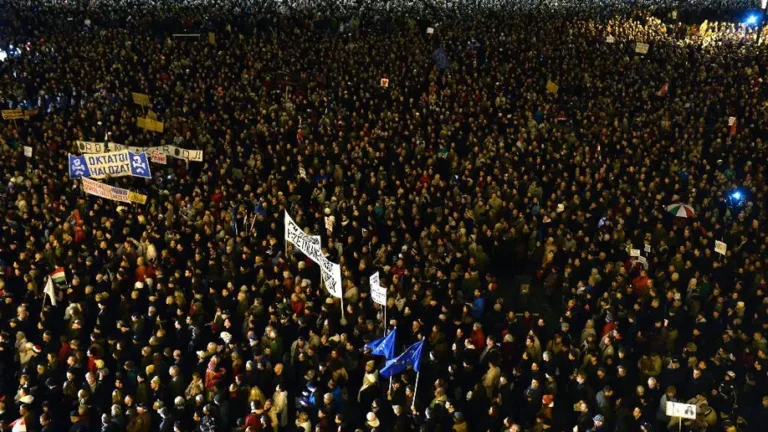
Hungarian Prime Minister Viktor Orbán has escalated his anti-EU rhetoric by claiming that Hungary should fear the European Union more than Russia, dismissing concerns about Vladimir Putin as “primitive and unserious.” He has portrayed upcoming parliamentary elections…
Read More
February 16, 2026Tags: EU, Hungary
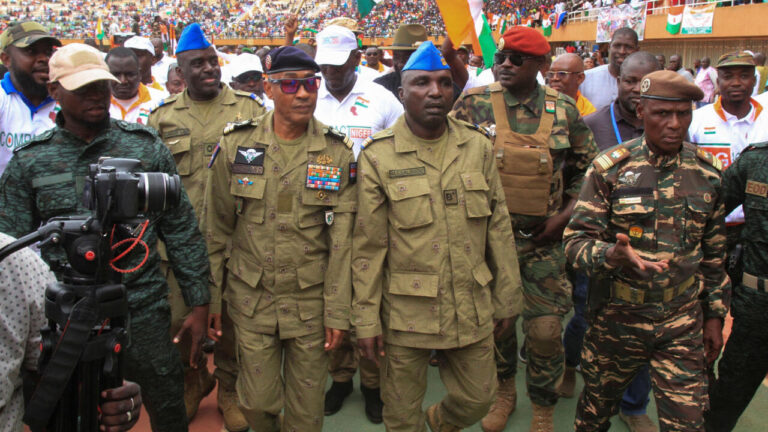
Manufactured Enemies: The Strategic Logic Behind Niger’s War Talk with France”
Posted inConflict Geopolitics

Manufactured Enemies: The Strategic Logic Behind Niger’s War Talk with France”

A member of Niger's ruling junta has urged his country's citizens to prepare for "war" with France, as relations with the former colonial power hit new lows.   Why Now: Strategic…
Read More
February 13, 2026Tags: France, Niger, Russia
From Scandal to Security Threat: Protecting High-Value Individuals Named in the Epstein Files from Russian Intelligence Targeting 
Posted inIntelligence ops National Security

From Scandal to Security Threat: Protecting High-Value Individuals Named in the Epstein Files from Russian Intelligence Targeting 

The release of millions of “Epstein files” has created a large, searchable reputational dataset that foreign intelligence services can exploit for recruitment, coercion, and disinformation—even when the underlying material does not…
Read More
February 13, 2026Tags: Epstein, GRU, Russia, SVR, USA
Moscow’s Arctic Red Lines: How Russia Could Respond to the Militarisation of Greenland
Posted inConflict Geopolitics National Security

Moscow’s Arctic Red Lines: How Russia Could Respond to the Militarisation of Greenland

Russian Foreign Minister Sergey Lavrov stated that if Greenland is militarized and actions threatening Russia are implemented there, Moscow will take military-technical measures. “Of course, in the event of the militarization of…
Read More
February 12, 2026Tags: Greenland, Russia, USA
Zimbabwe’s “2030” constitutional push: why now, who’s behind it, who resists, and how likely it is to pass
Posted inDemocracy Governance

Zimbabwe’s “2030” constitutional push: why now, who’s behind it, who resists, and how likely it is to pass

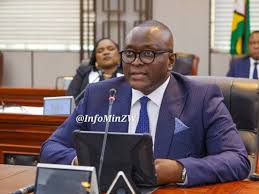
Zimbabwe’s Cabinet has approved a Constitutional Amendment Bill (2026) that would (1) extend presidential and parliamentary terms from five to seven years and replace direct presidential elections with a parliamentary election of the president. If applied…
Read More
February 11, 2026Tags: Zimbabwe
Hungary at the Bottom: Corruption, Rule-of-Law Failure, and the EU’s Most Persistent Governance Crisis”
Posted inCorruption Democracy Economy

Hungary at the Bottom: Corruption, Rule-of-Law Failure, and the EU’s Most Persistent Governance Crisis”

In 2025, Hungary once again found itself at the bottom of the European Union rankings and was recognized as the most corrupt EU member state, sharing last place with Bulgaria.Media outlets…
Read More
February 11, 2026Tags: Hungary
From Hybrid Influence to Coercive Presence: Wagner’s Alleged Footprint in Bulgaria and the Escalation of Russian Interference in the EU
Posted inIntelligence ops Warfare

From Hybrid Influence to Coercive Presence: Wagner’s Alleged Footprint in Bulgaria and the Escalation of Russian Interference in the EU

In Bulgaria, near the village of Kladnitsa (Pernik Region), a facility linked to the Russian private military company Wagner was discovered. The site was identified by the civic organization BOEC.…
Read More
February 11, 2026Tags: Bulgaria, Wagner Group
Prosecuting Resistance, Forgetting Aggression: Kosovo and the Failure of Proportional Justice
Posted inDemocracy Geopolitics Intelligence ops Propaganda and Disinformation War crimes

Prosecuting Resistance, Forgetting Aggression: Kosovo and the Failure of Proportional Justice

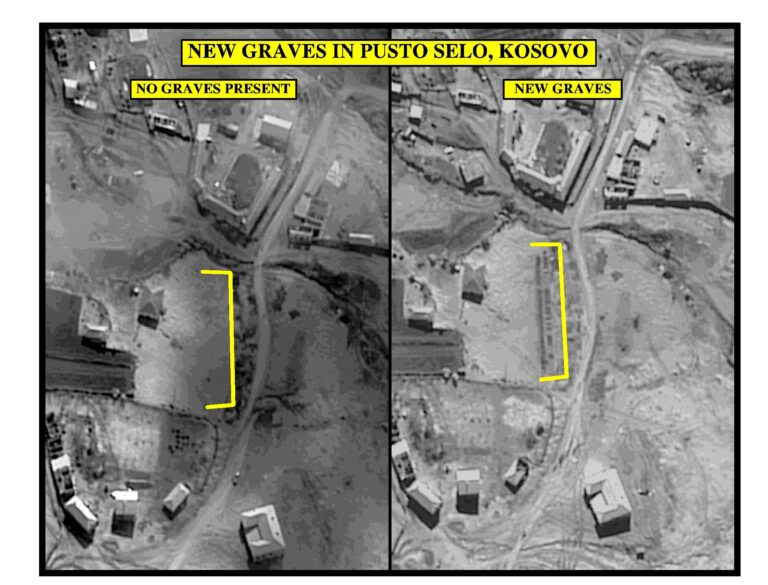
More than two decades after the Kosovo war, international justice has produced an outcome that remains deeply contested: the Serbian state, whose forces carried out systematic and widespread crimes against…
Read More
February 10, 2026Tags: Kosovo, Russia, Serbia
Threat Assessment: Kremlin Exploitation of Pacifist Networks in Germany
Posted inConflict ideology Intelligence ops Propaganda and Disinformation

Threat Assessment: Kremlin Exploitation of Pacifist Networks in Germany

The Kremlin is seeking to exploit German pacifist groups to disrupt the Munich Security Conference. Ahead of the Munich Security Conference scheduled for February 13–15, 2026, Russian intelligence services intend…
Read More
February 10, 2026Tags: Germany, pacifism, Russia
Russia’s Borderlock in Central Africa: Gold, Gray Zones, and the Erosion of U.S. Leverage
Posted inConflict Geopolitics National Security Warfare

Russia’s Borderlock in Central Africa: Gold, Gray Zones, and the Erosion of U.S. Leverage

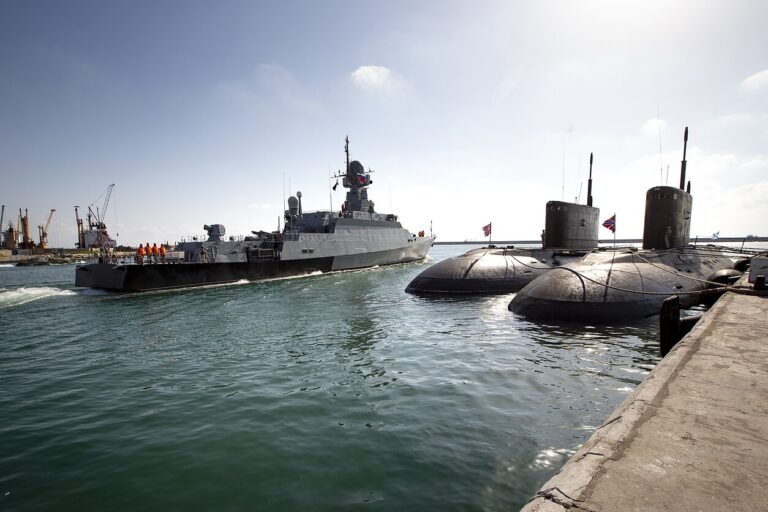
Russia’s actions along the Sudan–CAR border following the gold-mine incident represent not a security response, but a deliberate territorial control operation. By sealing cross-border routes, detaining civilians, and denying access to observers, Moscow…
Read More
February 9, 2026Tags: CAR, gold, Russia, Sudan, USA

Posts pagination

Previous page 1 … 5 6 7 8 9 … 135 Next page

Partner Institutes

The Center for Nationalism Studies (CNS)

Headquarter: director@lansinginstitute.org

Africa: africa@lansinginstitute.org

America: america@lansinginstitute.org

Asia: asia@lansinginstitute.org

Europe: europe@lansinginstitute.org

Headquarter:
19 Holly Cove Ln., Dover,  Kent,  Del., 19901.

Phone: +1 302.499.20.07

European branch:
La Grande Arche – Paroi Nord La Défense FR,
1 Tunnel de Nanterre-La Défense, 92044 Paris, France
Phone: +33 695.42.57.44

Copyright 2019-2026— Robert Lansing Institute e. All rights reserved.
Scroll to Top