
Skip to content

Robert Lansing Institute

Robert Lansing Institute
Twitter Linkedin
Menu
  • Home
  • Who We Are
    • About Robert Lansing
    • About Robert Lansing Institute
    • What we do
    • Research
  • Analysis
    • Conflict
    • Corruption
    • Democracy
    • Economy
    • Energy
    • Drug trafficking
    • Food Security
    • Geopolitics
    • Governance
    • Intelligence ops
    • Opinion
    • Peacekeeping
    • Propaganda and Disinformation
    • Psyops
    • Terrorism
    • Warfare
  • Must Read
    • Analytic papers
    • Infographics we recommend
Generic selectors
Exact matches only
Search in title
Search in content
Post Type Selectors
Filter by Categories
-
climate change
Conflict
Corruption
Coup
Democracy
Drug trafficking
ecology
Economy
Energy
Estimates
Food Security
Geoeconomics
Geopolitics
Governance
Healthcare
ideology
Intelligence ops
migration
Must Read Infographics
Must Read PDF
National Security
Nonproliferation
Opinion
Peacekeeping
profile
Propaganda and Disinformation
Psyops
Situation Reports
Terrorism
War crimes
Warfare
  • Home
  • Who We Are
    • About Robert Lansing
    • About Robert Lansing Institute
    • What we do
    • Research
  • Analysis
    • Conflict
    • Corruption
    • Democracy
    • Economy
    • Energy
    • Drug trafficking
    • Food Security
    • Geopolitics
    • Governance
    • Intelligence ops
    • Opinion
    • Peacekeeping
    • Propaganda and Disinformation
    • Psyops
    • Terrorism
    • Warfare
  • Must Read
    • Analytic papers
    • Infographics we recommend
Robert Lansing Institute
Twitter Linkedin

Democracy

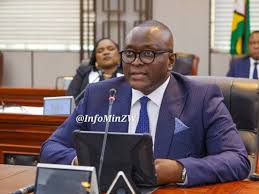
Zimbabwe’s “2030” constitutional push: why now, who’s behind it, who resists, and how likely it is to pass
Posted inDemocracy Governance

Zimbabwe’s “2030” constitutional push: why now, who’s behind it, who resists, and how likely it is to pass

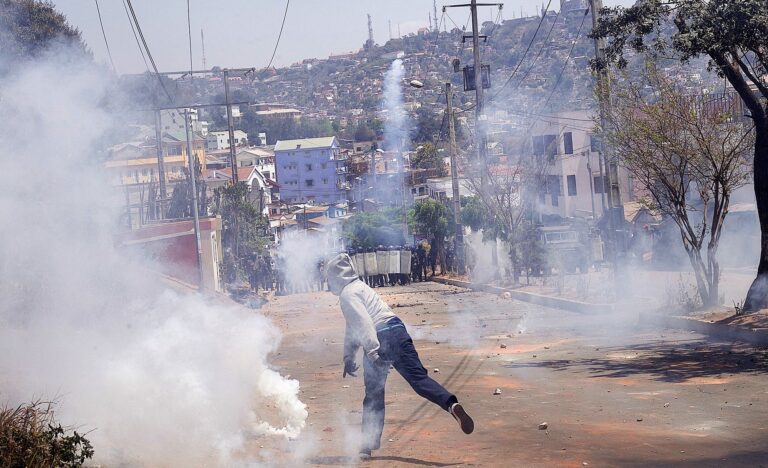
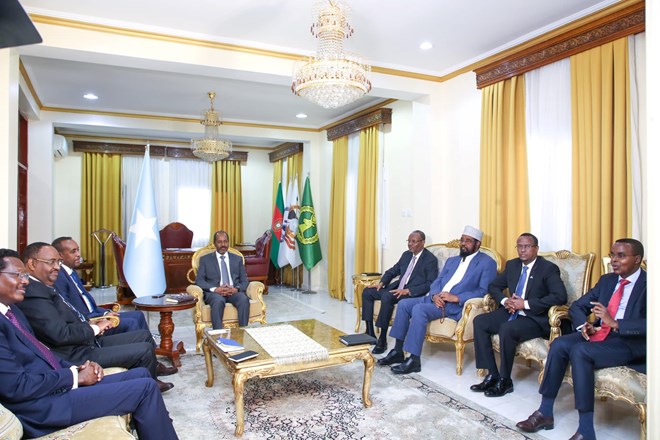
Zimbabwe’s Cabinet has approved a Constitutional Amendment Bill (2026) that would (1) extend presidential and parliamentary terms from five to seven years and replace direct presidential elections with a parliamentary election of the president. If applied…
Read More
February 11, 2026Tags: Zimbabwe
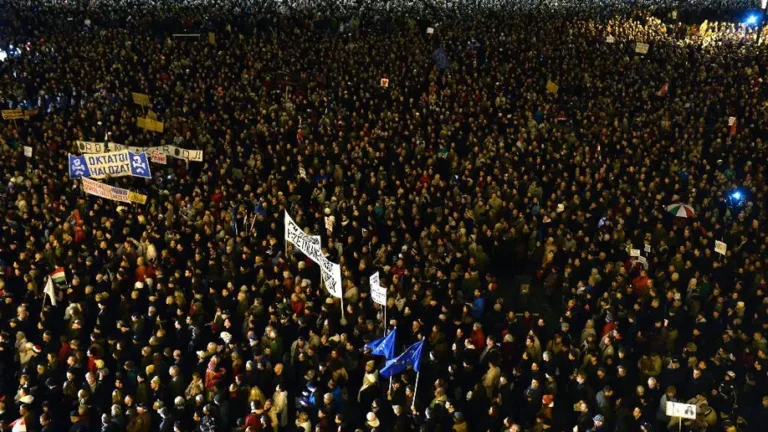
Hungary at the Bottom: Corruption, Rule-of-Law Failure, and the EU’s Most Persistent Governance Crisis”
Posted inCorruption Democracy Economy

Hungary at the Bottom: Corruption, Rule-of-Law Failure, and the EU’s Most Persistent Governance Crisis”

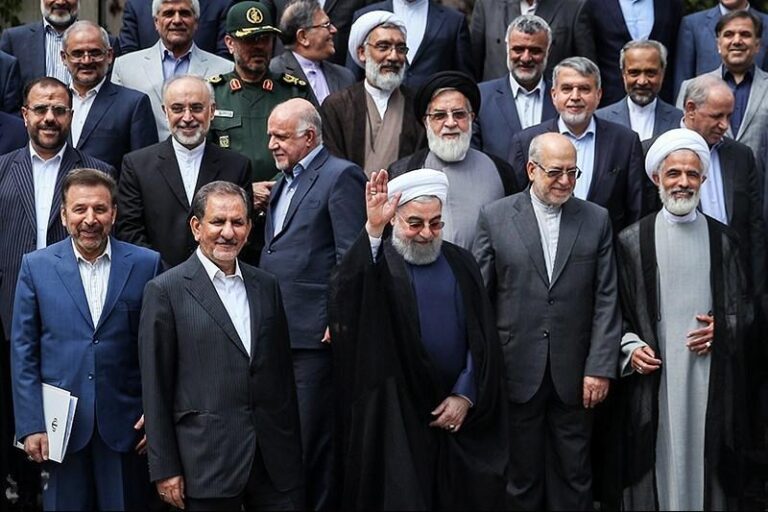
In 2025, Hungary once again found itself at the bottom of the European Union rankings and was recognized as the most corrupt EU member state, sharing last place with Bulgaria.Media outlets…
Read More
February 11, 2026Tags: Hungary
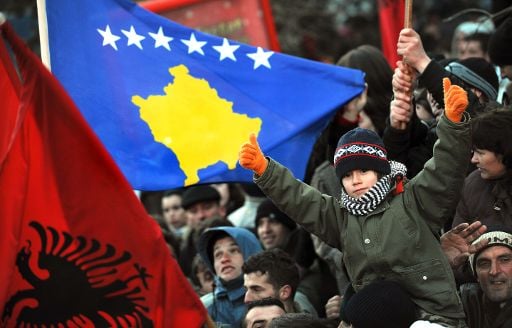
Prosecuting Resistance, Forgetting Aggression: Kosovo and the Failure of Proportional Justice
Posted inDemocracy Geopolitics Intelligence ops Propaganda and Disinformation War crimes

Prosecuting Resistance, Forgetting Aggression: Kosovo and the Failure of Proportional Justice

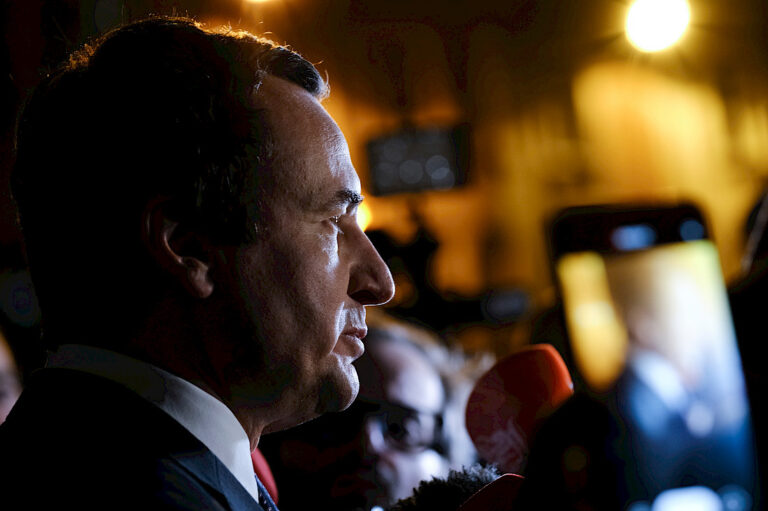
More than two decades after the Kosovo war, international justice has produced an outcome that remains deeply contested: the Serbian state, whose forces carried out systematic and widespread crimes against…
Read More
February 10, 2026Tags: Kosovo, Russia, Serbia
Japan’s February 8, 2026 Snap Election: Political context, key actors, polling-based outlook, foreign influence, and strategic consequences
Posted inDemocracy Governance

Japan’s February 8, 2026 Snap Election: Political context, key actors, polling-based outlook, foreign influence, and strategic consequences

Japan votes on February 8, 2026 in a snap lower-house election called by Prime Minister Sanae Takaichi only months into her tenure.  Polling in major reporting suggests a strong LDP-led showing, with some projections putting…
Read More
February 6, 2026Tags: elections, Japan
Bangladesh’s February 12, 2026 Parliamentary Elections:  Actors, Pre-Vote Environment, Foreign Influence, and Likely Outcomes (Poll-Based)
Posted inDemocracy Governance

Bangladesh’s February 12, 2026 Parliamentary Elections: Actors, Pre-Vote Environment, Foreign Influence, and Likely Outcomes (Poll-Based)

Bangladesh has first national election since the 2024 uprising and the Yunus-led interim government, and it is widely treated as a “make-or-break” test of whether the transition produces a competitive, legitimate system…
Read More
February 5, 2026Tags: Bangladesh, elections
Russia’s Digital Sovereignty Doctrine: From Cybersecurity to Total Control
Posted inDemocracy Governance

Russia’s Digital Sovereignty Doctrine: From Cybersecurity to Total Control

In the new version of Russia’s Information Security Doctrine, mobile devices, satellite internet systems such as Starlink, as well as email services and other IT technologies developed by Western companies…
Read More
January 29, 2026Tags: Russia
Barbados parliamentary election (Feb. 11, 2026): an analytic paper
Posted inDemocracy Governance

Barbados parliamentary election (Feb. 11, 2026): an analytic paper

Barbados votes on February 11, 2026 to elect all 30 seats in the House of Assembly (majority 16) after Prime Minister Mia Amor Mottley called an early election; parliament is to be dissolved Jan. 19 and nomination day was…
Read More
January 28, 2026Tags: Barbados, elections
Thailand’s 2026 General Election and Constitutional Referendum
Posted inDemocracy Governance

Thailand’s 2026 General Election and Constitutional Referendum

On 8 February 2026, Thailand held a snap general election to choose the 500-seat House of Representatives and, concurrently, a national referendum on whether to begin drafting a new constitution to replace the charter adopted…
Read More
January 27, 2026Tags: elections, Thailand
Costa Rica’s 2026 general election (Feb. 1): an analytic brief
Posted inDemocracy Governance

Costa Rica’s 2026 general election (Feb. 1): an analytic brief

Costa Ricans vote February 1, 2026 to elect a president + 57-seat Legislative Assembly; a runoff is scheduled for April 5 if no candidate reaches the 40% threshold. This contest is being fought in the shadow of…
Read More
January 27, 2026Tags: Costa Rica, Nayib Bukele
Hungary at War Without Troops: Viktor Orbán’s Alignment With Russia and the Hybrid Assault on Europe
Posted inDemocracy Governance

Hungary at War Without Troops: Viktor Orbán’s Alignment With Russia and the Hybrid Assault on Europe

Despite Prime Minister Viktor Orbán’s repeated attempts to cloak his parliamentary pre-election campaign, scheduled for April, in pacifist rhetoric, it is increasingly difficult to sustain the claim that Hungary remains…
Read More
January 27, 2026Tags: Hungary, Ukraine

Posts pagination

1 2 3 … 25 Next page

Partner Institutes

The Center for Nationalism Studies (CNS)

Headquarter: director@lansinginstitute.org

Africa: africa@lansinginstitute.org

America: america@lansinginstitute.org

Asia: asia@lansinginstitute.org

Europe: europe@lansinginstitute.org

Headquarter:
19 Holly Cove Ln., Dover,  Kent,  Del., 19901.

Phone: +1 302.499.20.07

European branch:
La Grande Arche – Paroi Nord La Défense FR,
1 Tunnel de Nanterre-La Défense, 92044 Paris, France
Phone: +33 695.42.57.44

Copyright 2019-2026— Robert Lansing Institute e. All rights reserved.
Scroll to Top