
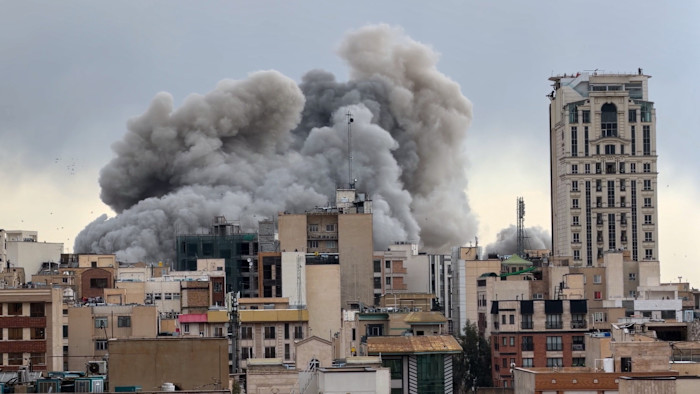
The war in the Middle East around Iran has become not only a regional conflict but also an instrument of global economic and geopolitical competition. The primary beneficiary of this instability is Russia, which uses the conflict as leverage to offset its economic crisis and strengthen its influence over energy markets. The analysis shows that Russia is not merely an observer, but an active participant and catalyst of destabilization.
Russia has a strategic interest in preserving an isolated and sanctioned Iran. This allows the Kremlin to keep Iran in the status of a “frozen energy giant,” preventing its full entry into global gas markets. Such a scenario directly benefits Moscow, as the emergence of Iranian gas in Europe would effectively eliminate the remnants of Russian energy influence.
Russia is effectively interested in maintaining a permanent crisis in the region. The conflict creates an artificial shortage of energy resources, increasing oil and gas prices and allowing Russia to compensate for sanctions losses and finance its war against Ukraine.
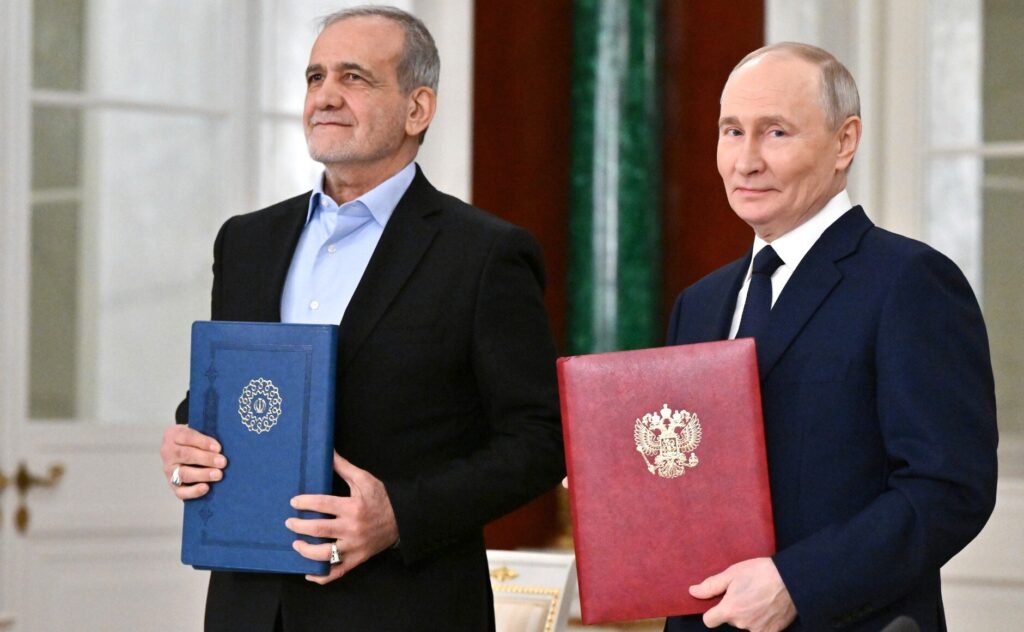
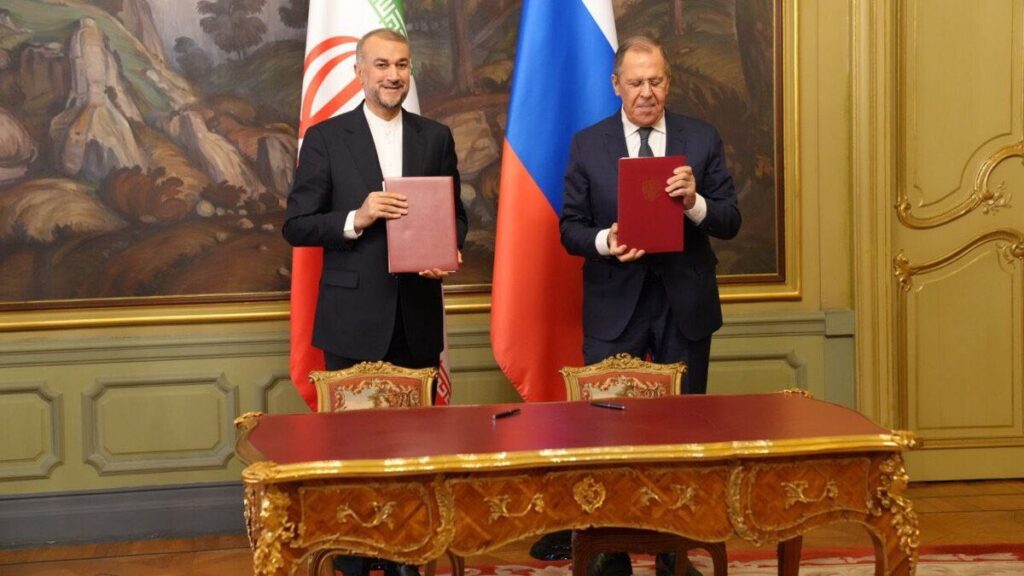
There is direct evidence of Russia’s intervention in the war on Iran’s side, including the transfer of intelligence (such as satellite imagery), the involvement of Russian military instructors, and cooperation in weapons production.
In practice, Iran acts as a proxy instrument of Russia, carrying out strikes that lack military logic but clearly align with the Kremlin’s economic interests. This indicates deep integration of the military strategies of the two regimes.
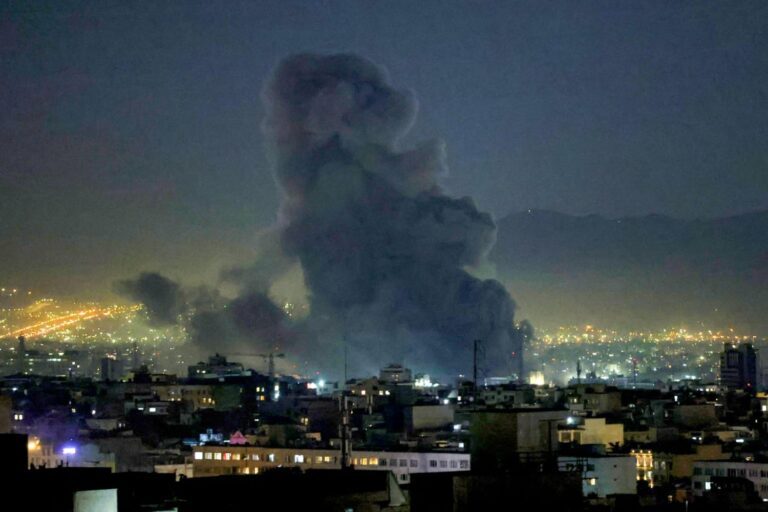
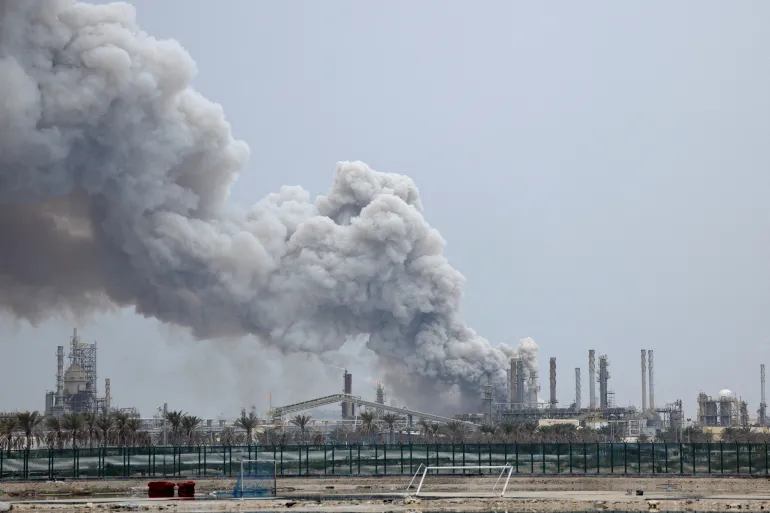
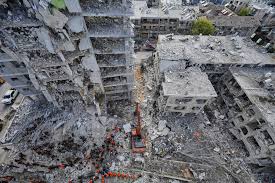
Particularly illustrative are Iranian strikes on economic infrastructure in the Persian Gulf. Attacks on oil facilities in the UAE, gas infrastructure in Qatar, and aluminum production in Bahrain directly benefit Russian companies such as NOVATEK and RUSAL.
These actions have no military justification in the confrontation with the West. Instead, they appear as a deliberate campaign to eliminate Russia’s competitors in global markets—effectively constituting economic warfare.
Despite short-term gains, Russia’s economy is in deep crisis. By early 2026, the budget deficit had reached 91% of the annual plan, forcing the government to cut spending and manipulate fiscal mechanisms.
The Russian leadership is using the war as a tool to delay economic collapse. Rising energy prices temporarily stabilize the budget but do not resolve structural problems.
Russia’s strategy is consistent: create or sustain conflicts that destabilize markets and increase dependence on Russian resources. The war in Iran is a continuation of this logic.
The Kremlin is unable to compete in a stable market environment and therefore relies on chaos, transforming from an energy supplier into a destabilizing force in global security.
China does not openly support Russia but indirectly creates favorable conditions for its strategy. China remains a key buyer of Iranian oil (11–15% of imports), effectively sustaining the Iranian regime and the status quo beneficial to Russia.
China’s approach differs from Russia’s: Russia benefits from chaos and high prices, while China benefits from stability and cheap resources.
The Russia–Iran–China triangle is asymmetric: Russia is the destabilizer, Iran is the executor, and China is the cautious beneficiary.
Russia’s budget deficit (Jan–Feb 2026): 3.45 trillion rubles (91% of annual plan).
Oil revenues fell to 432 billion rubles (-44% YoY).
Potential additional income:
100$ oil → +7B$/month
120$ oil → +10B$/month
150$ oil → +15B$/month
A key risk is the potential exit of the UAE from OPEC+, which could increase supply and reduce oil prices.
This scenario mirrors the 1980s USSR collapse:
war in Afghanistan + oil price collapse = economic breakdown.
Russia today shows similar structural vulnerabilities.Russia survives not through development but through destruction, parasitizing global instability and remaining a key source of geopolitical risk.
More on this story: Behind Iran’s Strikes: Russia’s Covert Role in Targeting the Gulf”
More on this story: Russia and Iran: The Limits of Strategic Partnership in the Face of Conflict
More on this story: Russia Unwilling to Defend Iran’s Interests Despite Strategic Use