
The Lindsey O. Graham Sanctioning Russia and Iran Act of 2026 represents one of the strongest bipartisan congressional responses to Russia’s war against Ukraine and Iran’s support for militant groups and nuclear activities. On its first procedural vote, the Senate advanced the bill by 86-12, demonstrating an overwhelming consensus that economic pressure remains a central instrument of U.S. foreign policy.
The significance of the vote, however, lies not only in its overwhelming support but also in the composition of the twelve senators who opposed it. The opposition did not constitute a unified ideological bloc. Instead, it reflected three distinct schools of thought: constitutional libertarianism; progressive concerns over executive authority and tariffs; skepticism toward sanctions as an instrument of foreign policy.
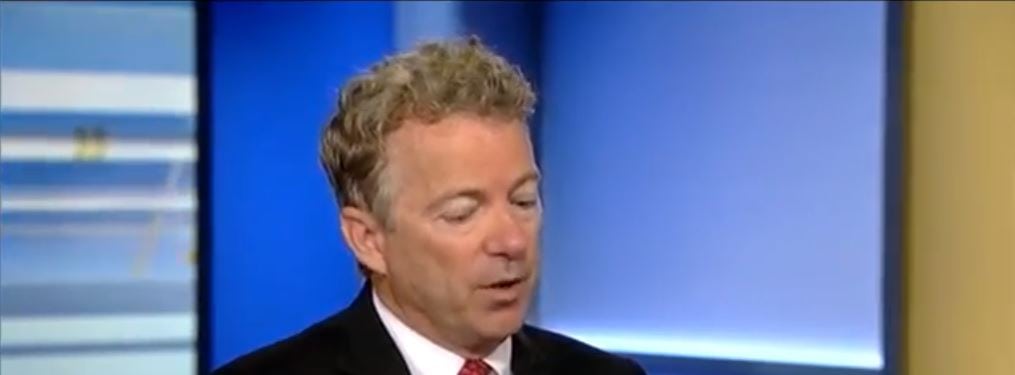
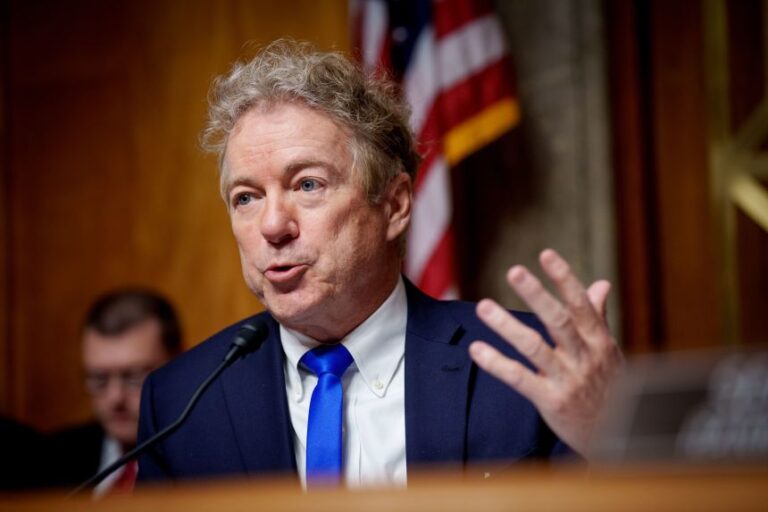
Among these dissenters, Senator Rand Paul (R-Kentucky) stands out as the only Republican to vote against advancing the legislation. His opposition reflects a long-standing foreign policy doctrine rooted in constitutional restraint, skepticism toward economic sanctions, and opposition to the expansion of presidential emergency powers, rather than support for Russia or Iran.
Originally introduced in 2025 by the late Senator Lindsey Graham and Senator Richard Blumenthal, the legislation evolved into a broader package targeting both Russia and Iran.
The bill authorizes: expanded sanctions against Russian political and financial elites; measures targeting Russia’s “shadow fleet”; secondary tariffs of up to 100% on countries purchasing Russian energy; expanded sanctions on Iran’s military, nuclear, and proxy networks; presidential waiver authority under defined conditions.
The legislation advanced shortly after Senator Graham’s funeral and during President Volodymyr Zelenskyy’s visit to Washington, reinforcing its symbolic and geopolitical significance.
Procedural vote:
86–12
Senators voting against
- Rand Paul (R-KY)
- Bernie Sanders (I-VT)
- Elizabeth Warren (D-MA)
- Maggie Hassan (D-NH)
- Jon Ossoff (D-GA)
- Lisa Blunt Rochester (D-DE)
- Andy Kim (D-NJ)
- Mazie Hirono (D-HI)
- Ed Markey (D-MA)
- Alex Padilla (D-CA)
- Ron Wyden (D-OR)
a Most Democratic opponents cited concerns about the bill’s delegation of broad tariff authority to the President rather than opposition to sanctions on Russia themselves.
Why Did Senators Vote Against?
The opposition falls into three broad categories.
Constitutional Concerns
Several Democratic senators argued that the bill grants excessive discretion to the President to impose or waive secondary tariffs.
Critics warned that: Congress would surrender significant trade authority; tariffs could affect allied economies; future administrations could use these authorities beyond their original purpose.
Their objections focused primarily on institutional checks and balances rather than Russia policy.
Economic Concerns
Some senators questioned whether broad secondary tariffs could: raise prices for American consumers; disrupt global supply chains; create friction with allies such as India, Japan, and EU member states that still import some Russian energy.
These senators supported pressure on Russia but preferred narrower economic instruments.
Libertarian Opposition
This position is almost entirely represented by Rand Paul.
Unlike many Democratic opponents, Paul objected to the legislation itself rather than merely its tariff provisions.
Rand Paul’s Strategic Position
Senator Rand Paul has consistently opposed expansive sanctions legislation regardless of the target country.
His foreign policy rests upon several principles.
Constitutional Limits
Paul argues that Congress—not the executive—should retain primary authority over: war, sanctions, international commerce.
He has repeatedly criticized emergency powers allowing presidents to reshape foreign policy without congressional approval.
Skepticism Toward Sanctions
Paul believes sanctions often: fail to alter adversary behavior; strengthen authoritarian governments by fostering nationalist sentiment; impose humanitarian costs; encourage alternative financial systems outside U.S. influence.
He has taken similar positions regarding: Russia; Iran; Cuba; Syria.
This reflects a consistent ideological approach rather than a Russia-specific stance.
Opposition to Secondary Tariffs
The 2026 legislation authorizes severe tariffs on countries purchasing Russian energy.
Paul argues such measures effectively: punish third countries rather than Russia directly distort international trade; expand executive economic powers.
From his perspective, secondary sanctions resemble extraterritorial economic coercion that exceeds the proper scope of U.S. authority.
Non-Interventionist Foreign Policy
Paul has long advocated: reduced overseas military commitments; diplomacy before coercion; congressional authorization for military operations; avoiding escalation with nuclear powers.
His opposition to the sanctions bill aligns with his earlier votes questioning military engagement and executive war powers, including regarding Iran.
Does Rand Paul’s Vote Benefit Russia?
Directly
The practical impact is minimal.
The bill advanced with an overwhelming bipartisan majority, making Paul’s vote insufficient to alter its legislative trajectory.
Politically
His vote provides Moscow with a narrative that opposition to sanctions exists within the U.S. political system. Russian state media have historically highlighted dissenting voices in Western legislatures to reinforce claims of weakening Western unity. Whether they amplify Paul’s position in this instance will depend on broader information operations.
Strategically
Paul’s vote reflects constitutional libertarianism rather than alignment with Kremlin objectives. His positions on sanctions, executive power, and foreign intervention have remained broadly consistent across administrations and across multiple countries, including Russia and Iran.
Intelligence Assessment
The Senate vote demonstrates that support for sustained pressure on Russia and Iran remains one of the few areas of broad bipartisan consensus in Washington. The principal fault line is no longer whether sanctions should exist, but how much authority Congress should delegate to the executive branch and how broadly secondary economic measures should be applied. Rand Paul’s opposition is best understood within the framework of his long-standing libertarian philosophy rather than as an endorsement of Moscow or Tehran.His vote reflects enduring concerns about constitutional limits, executive overreach, and the effectiveness of sanctions as a foreign policy tool. Nevertheless, because he was the only Republican to oppose the bill, his dissent carries symbolic weight. It illustrates that while congressional support for confronting Russia and Iran remains overwhelming, there is still a minority current within U.S. politics that prioritizes constitutional restraint and non-intervention over coercive economic statecraft. This distinction is critical for intelligence analysts assessing both the durability of U.S. sanctions policy and the narratives likely to be exploited by foreign adversaries.