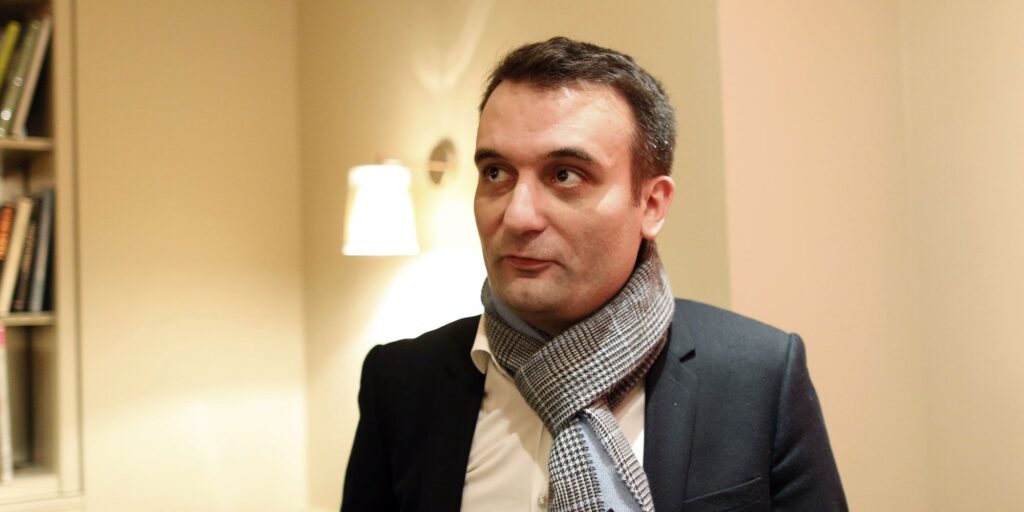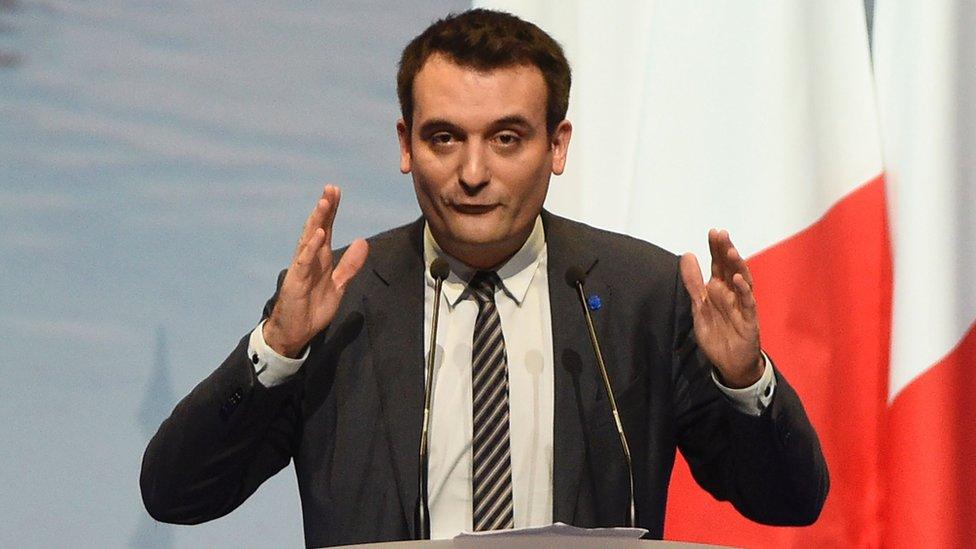

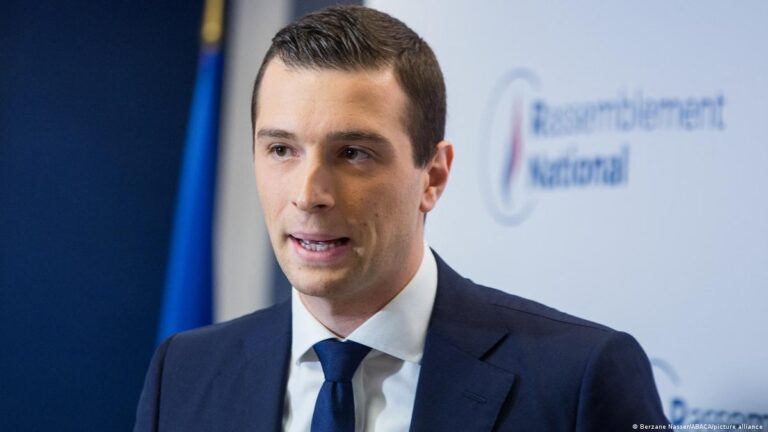
The statements by Jordan Bardella, leader of France’s National Rally (Rassemblement National) and one of the leading contenders in the next presidential election, reflect a broader transformation underway within Europe’s far-right movements. By describing Russia as a “multifaceted threat” to European interests, Bardella signals not merely a tactical adjustment but a potentially significant realignment of French nationalist politics in response to the geopolitical realities created by Russia’s war against Ukraine.
Electoral Pragmatism Over Ideological Affinity
Bardella’s repositioning appears driven primarily by electoral calculations rather than an ideological conversion. Since Russia’s full-scale invasion of Ukraine in 2022, public perceptions of Moscow across Europe have deteriorated substantially. Open support for the Kremlin increasingly carries reputational costs, particularly among moderate conservative voters whose support is essential for winning presidential elections under France’s two-round electoral system.
Unlike Marine Le Pen, whose party maintained long-standing financial and political links with Russia—including loans from Russian banks—Bardella belongs to a younger generation of European nationalist politicians seeking greater political legitimacy and broader electoral appeal. His rhetoric suggests an effort to “de-risk” the National Rally by distancing it from accusations of serving Russian interests.
The Mainstreaming of the French Far Right
Bardella’s position illustrates the continuing normalization of the National Rally. Rather than advocating withdrawal from NATO or the European Union, he now accepts the strategic foundations of France’s Western alliances. This reflects an understanding that open hostility toward NATO has become politically disadvantageous following Russia’s aggression against Ukraine.
The shift also demonstrates the limits of Russia’s long-standing strategy of cultivating far-right parties across Europe as instruments of influence. While Moscow successfully built networks with nationalist parties over the past decade, the war in Ukraine has forced many of these actors to reassess the political costs of overt alignment with the Kremlin.
Russia’s Declining Influence in France
Russia’s loss of influence within France’s largest far-right party represents a strategic setback for Moscow. For years, the Kremlin viewed the French far right as a potential vehicle for weakening European unity, challenging sanctions, and undermining NATO cohesion. Bardella’s rhetoric suggests that these expectations may no longer be realistic.
This does not mean that all points of convergence have disappeared. National Rally continues to advocate strategic autonomy for Europe, criticizes aspects of EU integration, and remains skeptical of deeper federalization. However, these positions no longer automatically translate into support for Russian geopolitical objectives.
The UN Peacekeeping Proposal: An Indirect Concession to Moscow
Bardella’s insistence that any future peacekeeping force in Ukraine operate exclusively under a UN mandate remains the most significant concession to Russian interests. Given Russia’s permanent seat on the UN Security Council, such a requirement would effectively grant Moscow veto power over any international peacekeeping mission.
This position allows Bardella to present himself as supportive of Ukraine while simultaneously limiting the practical options available to Western states. It reflects a broader tendency among some European conservatives to support Ukraine politically while remaining cautious about measures that could increase direct confrontation with Russia.
Implications for NATO and European Security
Bardella’s statements suggest that even if the National Rally enters government, France’s strategic orientation is unlikely to undergo a radical pro-Russian shift. For NATO, this would represent continuity rather than disruption. Paris would likely continue supporting Ukraine, maintaining sanctions, and participating in deterrence efforts against Russia.
At the same time, a Bardella presidency could place greater emphasis on national sovereignty, stricter migration policies, and a more transactional approach toward EU institutions. Such policies may create friction within the European Union but would not necessarily benefit Moscow directly.
Strategic Outlook
The evolution of Jordan Bardella’s rhetoric highlights a broader trend across Europe: support for Russia is becoming an electoral liability rather than an asset. As the war in Ukraine continues and Russian hybrid activities expand across the continent, European nationalist parties increasingly face a choice between ideological affinity with Moscow and political viability within Western democratic systems.
For the Kremlin, this represents a significant challenge. Russia’s influence strategy in Europe has historically relied on cultivating networks across both the far right and far left. If mainstream nationalist parties conclude that association with Moscow undermines their electoral prospects, Russia may lose some of its most valuable political partners in Europe.
Ultimately, Bardella’s repositioning suggests that Russia’s greatest strategic setback in Europe may not be military but political: the gradual erosion of its appeal among movements that once viewed Moscow as a model of conservative sovereignty and resistance to liberal globalization.
A presidency of Jordan Bardella would likely produce continuity in France’s core strategic orientation, but with important adjustments in tone, priorities, and European defense policy. Contrary to earlier concerns about the French far right, a Bardella administration would probably not fundamentally undermine either NATO or European security architecture.
Unlike Marine Le Pen, Bardella has not advocated withdrawing France from NATO’s integrated military command. Since Russia’s full-scale invasion of Ukraine, leaving NATO has become politically costly in France.
As president, Bardella would likely: Maintain France’s membership in NATO; Continue supporting deterrence against Russia; Preserve French participation in NATO exercises and missions; Support strengthening NATO’s eastern flank, albeit with greater emphasis on French national interests.
Assessment: NATO would face adaptation rather than disruption.
Bardella has signaled support for Ukraine’s sovereignty and security guarantees. However, he is likely to adopt a more cautious approach than current French policy.
A Bardella administration may: Continue military aid to Kyiv; Support training missions; Maintain sanctions against Russia; Oppose deploying French combat troops in Ukraine outside internationally recognized frameworks.
His insistence on UN authorization for peacekeeping missions effectively grants Russia veto power through the UN Security Council, limiting Western freedom of action.
France under Bardella would probably continue supporting European defense cooperation, but only insofar as it reinforces national sovereignty.
This means support for: Joint defense industrial projects; European arms production; Strategic autonomy from external suppliers.
But likely skepticism toward: Further transfer of defense competencies to Brussels; Creation of an EU army with supranational authority; Expanded powers for EU institutions over defense policy. In effect, Bardella would likely favor a “Europe of sovereign nations” rather than deeper federal integration.
Relations with Key Allies
A Bardella presidency would seek to preserve strong ties with:
- United States;
- Poland;
- Italy;
- Other NATO partners.
Relations with countries advocating stronger EU federalism—particularly Germany under pro-integration governments—could become more complex.
For the Kremlin, Bardella’s evolution represents a significant challenge: Russia loses one of its historically sympathetic political currents in Western Europe; The distinction between nationalist and pro-Russian politics continues to widen; Moscow’s influence networks may need to shift toward anti-establishment or hybrid narratives rather than relying on traditional far-right allies.
A Bardella presidency would likely produce:
| Area | Expected Change |
| NATO membership | No major change |
| Support for Ukraine | Continues, but more cautiously |
| Sanctions on Russia | Largely maintained |
| EU defense integration | More skeptical |
| European strategic autonomy | Strong support |
| French troop deployment in Ukraine | Unlikely without UN mandate |
Intelligence Assessment
The most probable outcome is strategic continuity with tactical adjustments. France under Bardella would likely remain firmly anchored in NATO and Western security structures while pursuing a more nationalist and sovereignty-focused foreign policy. For Moscow, this would represent a disappointment: a National Rally government is increasingly likely to be nationalist without being pro-Russian.
The available evidence suggests that many of the historic links between the French far-right party, the National Rally (RN), and Russian actors have weakened since 2022, but some formal, informal, and residual networks likely remain.
The strongest documented connection was financial. In 2014, the party then known as the National Front obtained a €9 million loan from the Moscow-linked First Czech Russian Bank, with intermediaries reportedly including Russian political figures. This relationship became one of the most visible examples of Russian political financing in Europe. The loan was later repaid, reducing Moscow’s formal leverage over the party.
Although Jordan Bardella has moderated the party’s Russia policy, some senior figures associated with the RN retain reputations for pro-Russian positions.
Most notably: Thierry Mariani has historically advocated closer ties with Moscow and has publicly taken positions more favorable to Russia than Bardella’s. Analysts note internal tensions within the RN between more pro-Russian and more Atlanticist factions.
The RN is embedded in transnational nationalist networks through the European Parliament group Patriots for Europe, which includes parties and politicians with varying positions toward Russia. Viktor Orbán has historically maintained closer relations with Moscow than most EU leaders.
Russia has often operated through indirect influence channels, leveraging ideological affinity and shared networks rather than direct control.
Russian influence operations in Europe frequently rely on: think tanks; conferences; media platforms; business intermediaries; diaspora networks.
Even if formal party-to-state links have weakened, legacy contacts may persist through unofficial channels.
Although Bardella has distanced himself from Moscow, some narratives promoted by the RN—such as sovereignty, skepticism toward Brussels, and opposition to aspects of globalization—overlap with themes amplified by Russian state media.
This does not imply coordination. Narrative convergence can arise independently. However, influence operations often exploit such overlaps.
The most likely scenario is that formal links between the RN and Russian actors have significantly weakened, while informal networks and legacy relationships persist at the individual and transnational levels.Russia historically favors influence through networks rather than single actors. Therefore, the key intelligence issue is not whether Moscow “controls” the RN, but whether residual channels remain available for future influence operations.