
Russia regards Germany as one of its principal strategic adversaries in Europe because of Berlin’s role in supporting Ukraine, strengthening NATO, and developing European defense capabilities. For the Kremlin, Germany’s transformation from a former economic partner into a major center of military and political deterrence against Moscow represents a particularly significant threat.
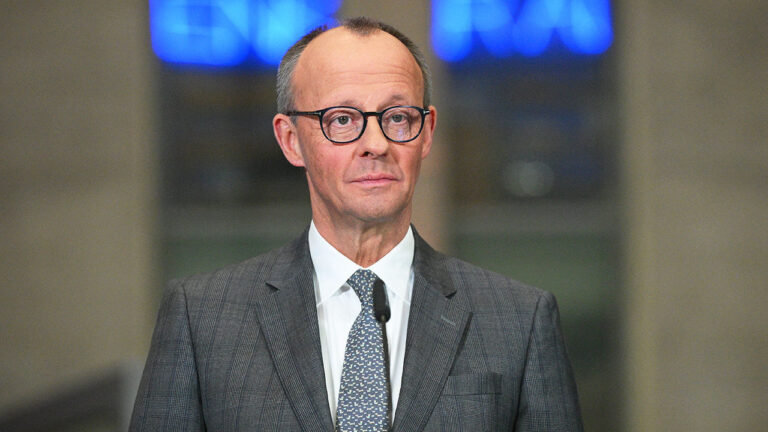
Chancellor Friedrich Merz embodies this strategic shift. His support for Ukraine, commitment to modernizing the Bundeswehr, and efforts to strengthen European defense run counter to the Kremlin’s interests. Consequently, discrediting the chancellor and weakening his political standing could become important objectives of Russian influence operations.
Russian intelligence services are likely to intensify their activities against Germany, combining espionage, cyberattacks, sabotage, the recruitment of local operatives, and information campaigns. The exploitation of radical and anti-establishment political movements is also likely to remain a distinct area of activity.
To strengthen its response to Russian operations, Germany is undertaking reforms of the Federal Intelligence Service (BND) and the Federal Office for the Protection of the Constitution (BfV). These reforms are intended to expand the authorities’ ability to detect and prevent foreign operations at an early stage. Their effectiveness will depend on the specific statutory powers granted, the resources allocated, and the strength of democratic oversight.
Why Germany Has Become a Strategic Adversary of Russia
For decades, Moscow regarded Germany as one of its most important partners in Europe. Energy cooperation, economic interdependence, and political contacts created opportunities for Russia to influence Berlin’s decisions. The Nord Stream gas pipelines played a particularly important role, generating revenue for Russia while fostering economic interests tied to the preservation of bilateral cooperation.
Russia’s full-scale invasion of Ukraine in 2022 dismantled much of this model. Germany reduced its dependence on Russian energy, supported sanctions, increased military assistance to Ukraine, and began reassessing its defense policy.
For the Kremlin, these developments meant the loss of important economic and political instruments of influence. At the same time, Germany possesses the European Union’s largest economy, an advanced industrial base, substantial defense capabilities, and a central position within NATO’s military logistics network.
The successful rearmament of the Bundeswehr and expansion of defense production could make Germany one of the principal pillars of European deterrence against Russia. This would limit Moscow’s ability to exploit European countries’ dependence on American military resources.
Weakening Germany may therefore be viewed by the Kremlin as a means of preserving Russia’s influence over European security.
Why Friedrich Merz Has Become Particularly Inconvenient for the Kremlin
In our assessment, Friedrich Merz personifies the political transformation of Germany that Moscow seeks to contain. His policies envisage sustained support for Ukraine, modernization of the Bundeswehr, and stronger European defense capabilities.
This creates several challenges for the Kremlin. Most importantly, German military assistance complicates Russia’s efforts to exhaust Ukraine’s defenses. The development of European defense capabilities reduces Moscow’s opportunities to exploit political differences between the United States and Europe. Meanwhile, the strengthening of Germany’s defense industry lays the groundwork for long-term military deterrence against Russia.
Under these circumstances, Moscow may have an interest in discrediting the chancellor and weakening his governing coalition.
Potential information campaigns could accuse Merz of sacrificing Germans’ economic interests for Ukraine, portray the rearmament of the Bundeswehr as preparation for war, and blame economic difficulties on sanctions against Russia.
The objective of such operations would not necessarily be to remove the chancellor from office. Rather, it could be to restrict his political freedom to make decisions that run counter to Moscow’s interests.
At the same time, public criticism of Merz by Russian officials does not, in itself, establish the existence of a dedicated Kremlin operation targeting him.
Russia’s Hybrid Campaign: Sabotage, Espionage, and Cyberattacks
Russian activities against Germany encompass a broad range of instruments, from traditional espionage and sabotage to cyberoperations and information influence.
It is important to emphasize that reports by Germany’s Federal Ministry of the Interior cited 321 incidents of sabotage in 2025, as well as 163 suspected acts of sabotage and 1,034 drone flights over sensitive facilities as of August 19, 2026.
These figures illustrate the scale of the security challenges confronting Germany’s responsible authorities.
Military logistics are particularly significant. Germany serves as a transit hub for the movement of NATO equipment, personnel, and supplies. Damage to railway junctions, airports, or defense-industrial facilities could have consequences extending far beyond the individual targets.
Russian structures may also employ operatives recruited online, criminal intermediaries, and short-term intelligence contacts. Such methods allow organizers to distance themselves from the direct execution of unlawful activities, making attribution and accountability more difficult.
Cyberoperations pose a separate threat to government institutions, defense companies, scientific organizations, and critical infrastructure.
They can be used to steal information, gain access to sensitive systems, and prepare broader operations. The greatest danger arises when cyberespionage is combined with information campaigns in which stolen or fabricated documents are used to discredit politicians and state institutions.
Radical Movements and Political Polarization as Instruments of Influence
An important element of Russia’s strategy is the exploitation of existing political divisions within Germany.
Moscow has an interest in promoting positions that advocate lifting sanctions, ending military assistance to Ukraine, reducing defense spending, or restoring cooperation with Russia.
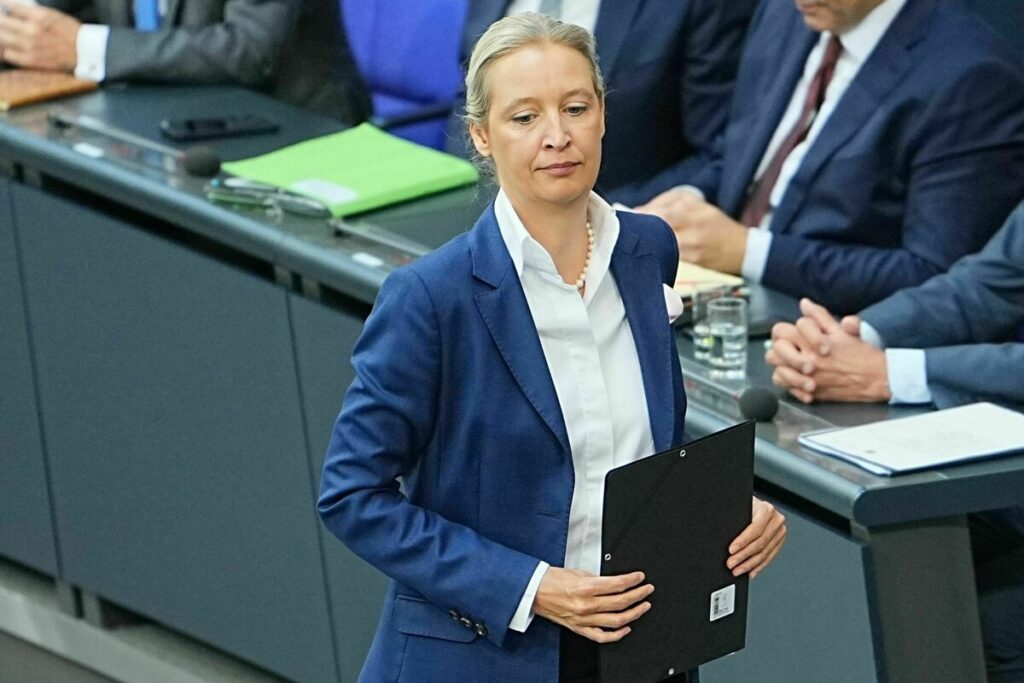
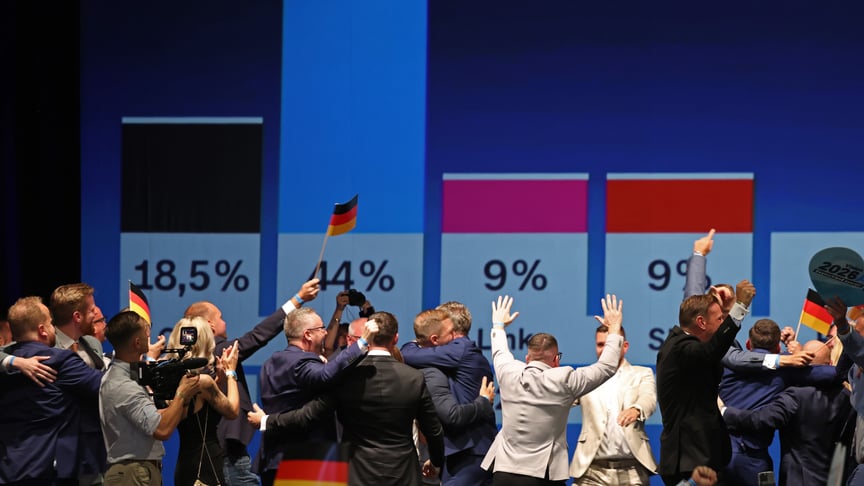
Particular attention is focused on Alternative for Germany (AfD), some of whose representatives advocate reconsidering Germany’s policy toward Moscow.
Russian information campaigns may help amplify messages favorable to the Kremlin and deepen social polarization.
Another potential avenue is the exploitation of antiwar rhetoric. Russian information operations can capitalize on fears of nuclear escalation, economic hardship, and concerns over defense spending.
However, legitimate antiwar activism does not constitute evidence of foreign interference. From an intelligence perspective, the relevant indicators are covert financing, front organizations, and coordinated disinformation campaigns.
The strategic objective of such operations may be to create conditions in which the federal government is forced to devote substantial political resources to domestic disputes rather than implementing its long-term defense policy.
Why Russia May Intensify Operations Against Germany
A further intensification of Russian intelligence activities against Germany is a plausible analytical scenario, driven by several interconnected factors.
First, Germany’s military importance is growing. The expansion of defense production, modernization of the Bundeswehr, and reinforcement of NATO’s eastern flank increase the intelligence value of German military and industrial facilities.
At the same time, Moscow is losing traditional instruments of economic influence. Germany’s declining dependence on Russian energy may increase the relative importance of covert operations.
Finally, the use of remotely recruited operatives, digital platforms, and cybertools enables Russia to conduct relatively low-cost operations without directly exposing professional intelligence officers to significant risks.
Taken together, these factors could encourage a shift from isolated incidents toward sustained campaigns targeting Germany’s defense industry, military logistics, and state institutions.
Reforming the BND and BfV: The Need for a More Proactive Response
The reform of Germany’s intelligence services is intended to adapt the country’s security system to contemporary threats, including espionage, sabotage, cyberattacks, and covert operations conducted by foreign states.
Historically, Germany’s intelligence system was shaped by the experience of the Nazi dictatorship and the imperative of preventing excessive concentrations of power within state institutions.
This framework established essential democratic safeguards, but it also produced complex procedures governing interagency cooperation and operational responses.
The reforms are intended to expand early threat detection, technical intelligence analysis, counter-cyber capabilities, and cooperation with European Union and NATO partners.
| Area of Reform | Expected Outcome |
| Expansion of the BND’s cyber capabilities | More effective countermeasures against foreign cyberoperations |
| Strengthening the BfV | Earlier detection of espionage and sabotage |
| Use of artificial intelligence and data analytics | Faster identification of operational connections |
| Interagency cooperation | Shorter response times to emerging threats |
| Parliamentary and judicial oversight | Protection of citizens’ constitutional rights |
In countering Russia, reducing the time between acquiring intelligence and disrupting a planned operation is particularly important.
Expanding the capabilities of the BND and BfV could increase the likelihood of exposing intelligence networks, complicate preparations for sabotage, and raise Moscow’s operational costs.
At the same time, the reforms must not become an instrument for monitoring lawful political activity. Independent oversight remains essential to their effectiveness and public legitimacy.
In the short term, the principal benefit of the reforms could be improved early threat detection and interagency coordination.
In the medium term, they could restrict the operational freedom of foreign intelligence networks, increase the risk of exposing intermediaries, and make sabotage operations more difficult to execute.
Over the longer term, success will depend on Germany’s ability to establish an integrated system for countering hybrid threats.
A positive interim outcome would not be the complete cessation of Russian activities, but a reduction in their effectiveness.
An increase in detected espionage cases during the first years following the reforms could indicate improved counterintelligence performance rather than necessarily reflecting an increase in hostile activity.
Russia’s policy toward Germany is increasingly taking the form of a long-term confrontation in which Moscow seeks to limit Berlin’s ability to pursue an independent foreign and defense policy.
The principal reason for this confrontation is Germany’s transformation from a major Russian economic partner into one of the leading pillars of Europe’s deterrence architecture.
For Moscow, the combination of Germany’s economic strength, defense industry, military logistics capabilities, and political influence within the European Union presents a particularly significant challenge.
Without a systematic response, Germany risks confronting the cumulative effects of sabotage, cyberattacks, espionage, and political destabilization.
Such developments could constrain its strategic autonomy and undermine European security more broadly.
In this context, reforming the BND and BfV is not merely a matter of modernizing legislation. It is also an important instrument for safeguarding national sovereignty.
Russia has a strategic interest in weakening Germany as one of Europe’s major centers of power.Effective reform of Germany’s intelligence services could raise the cost of Russian hybrid operations, restrict opportunities for covert influence, and strengthen Germany’s ability to determine its own security policy independently.

More on this story: Attack in Brandenburg: Has Moscow Begun to Act on Its Threats Against Germany?

More on this story: After Leipzig: Germany Moves to Dismantle Russia’s Influence Infrastructure