

Skip to content

Robert Lansing Institute

Robert Lansing Institute
Twitter Linkedin
Menu
  • Home
  • Who We Are
    • About Robert Lansing
    • About Robert Lansing Institute
    • What we do
    • Research
  • Analysis
    • Conflict
    • Corruption
    • Democracy
    • Economy
    • Energy
    • Drug trafficking
    • Food Security
    • Geopolitics
    • Governance
    • Intelligence ops
    • Opinion
    • Peacekeeping
    • Propaganda and Disinformation
    • Psyops
    • Terrorism
    • Warfare
  • Must Read
    • Analytic papers
    • Infographics we recommend
Generic selectors
Exact matches only
Search in title
Search in content
Post Type Selectors
Filter by Categories
-
climate change
Conflict
Corruption
Coup
Democracy
Drug trafficking
ecology
Economy
Energy
Estimates
Food Security
Geoeconomics
Geopolitics
Governance
Healthcare
ideology
influence ops
Intelligence ops
migration
Must Read Infographics
Must Read PDF
National Security
Nonproliferation
Opinion
Peacekeeping
profile
Propaganda and Disinformation
Psyops
Situation Reports
Terrorism
War crimes
Warfare
  • Home
  • Who We Are
    • About Robert Lansing
    • About Robert Lansing Institute
    • What we do
    • Research
  • Analysis
    • Conflict
    • Corruption
    • Democracy
    • Economy
    • Energy
    • Drug trafficking
    • Food Security
    • Geopolitics
    • Governance
    • Intelligence ops
    • Opinion
    • Peacekeeping
    • Propaganda and Disinformation
    • Psyops
    • Terrorism
    • Warfare
  • Must Read
    • Analytic papers
    • Infographics we recommend
Robert Lansing Institute
Twitter Linkedin

influence ops

Bratislava Downplays the Russian Threat: From Kaliňák’s Rhetoric to the Return of the Military Attaché
Posted inGeopolitics influence ops

Bratislava Downplays the Russian Threat: From Kaliňák’s Rhetoric to the Return of the Military Attaché

Slovak Deputy Prime Minister and Defense Minister Robert Kaliňák, one of the most influential figures in Prime Minister Robert Fico’s ruling Smer-SD party, has said that Bratislava does not regard…
Read More
October 8, 2026Tags: NATO, Slovakia
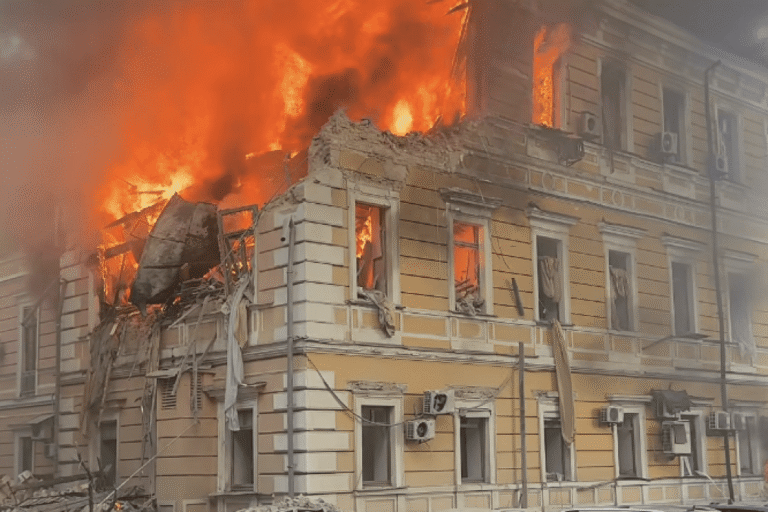
The Cost of the Strike on Kyiv: Can the Graham Act Change Russia’s Strategy of Attacks on Civilian Infrastructure
Posted inConflict influence ops Psyops Warfare

The Cost of the Strike on Kyiv: Can the Graham Act Change Russia’s Strategy of Attacks on Civilian Infrastructure

The Russian strikes on Kyiv on September 28, 2026, demonstrate a notable evolution in Russia’s air campaign. The National Academy of Sciences of Ukraine, the Dobrobut Medical Center, a pharmaceutical…
Read More
September 29, 2026Tags: Russia, UAVs, Ukraine
The Next “Special Military Operation”: Why Russian State Media Threatened Lithuania with a Nuclear Strike
Posted ininfluence ops Propaganda and Disinformation Psyops

The Next “Special Military Operation”: Why Russian State Media Threatened Lithuania with a Nuclear Strike

On September 25, 2026, the state agency RIA Novosti published a column by Alexander Nosovich titled “Russia Faces Another Special Military Operation. It Will Be Very Short.” The publication by…
Read More
September 28, 2026Tags: Lithuania, Russia
Arras as a Platform for Pro-Russian Mobilization: Florian Philippot’s Network Ahead of the 2027 Campaign
Posted inGeopolitics Governance influence ops

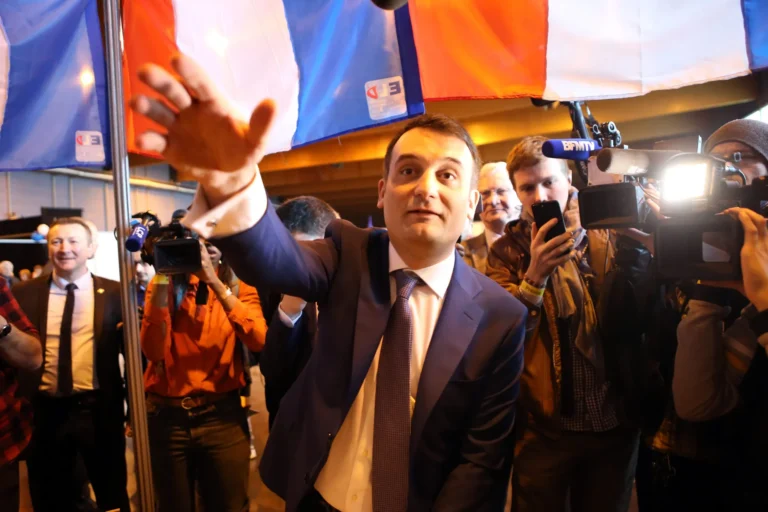
Arras as a Platform for Pro-Russian Mobilization: Florian Philippot’s Network Ahead of the 2027 Campaign

The Assises de la Souveraineté, held near Arras on September 12, 2026 and organized by Florian Philippot’s Les Patriotes, should be viewed as more than another anti-war or anti-sanctions event.…
Read More
September 21, 2026Tags: France, Phillippot
Poland “in Two or Three Days”: The Kremlin Returns to the Model of Psychological Blitzkrieg
Posted ininfluence ops Propaganda and Disinformation Psyops

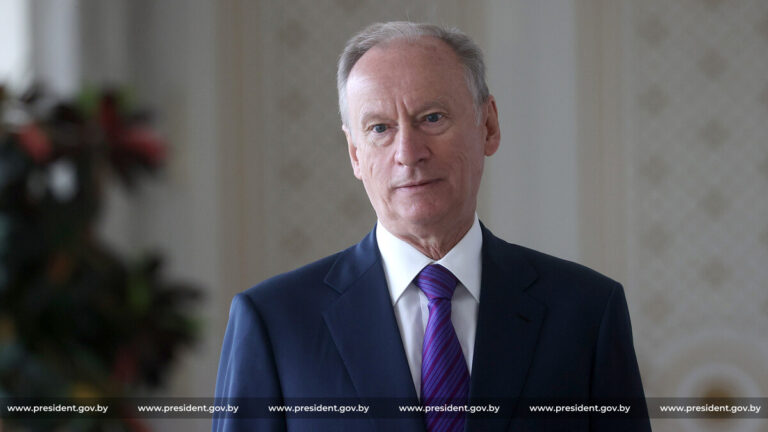
Poland “in Two or Three Days”: The Kremlin Returns to the Model of Psychological Blitzkrieg

On September 15, 2026, Russian presidential aide and former Security Council Secretary Nikolai Patrushev issued a direct threat against Poland, saying that in the event of a military conflict Moscow…
Read More
September 16, 2026Tags: Patrushev, Poland, Russia
“Vannacci’s Moscow Tenure: Contacts, Influence, and Counterintelligence Questions”
Posted inGovernance influence ops

“Vannacci’s Moscow Tenure: Contacts, Influence, and Counterintelligence Questions”

Within the ruling Fratelli d’Italia (FdI) party, concern is growing over Roberto Vannacci’s political activities and the possibility of Russian influence on his entourage or political project. At the same…
Read More
September 4, 2026Tags: Futuro Nazionale, Italy
After Leipzig: Germany Moves to Dismantle Russia’s Influence Infrastructure
Posted inGovernance influence ops Intelligence ops National Security

After Leipzig: Germany Moves to Dismantle Russia’s Influence Infrastructure

After Berlin officially held Russia responsible on September 1, 2026, for an attempted explosive-drone attack on Leipzig/Halle Airport, the government announced a package of measures: the closure of the Russian…
Read More
September 2, 2026Tags: Germany
Zaolzie as an Instrument of Influence: An Attempt to Revive a Polish-Czech Territorial Conflict
Posted inGeopolitics influence ops Intelligence ops

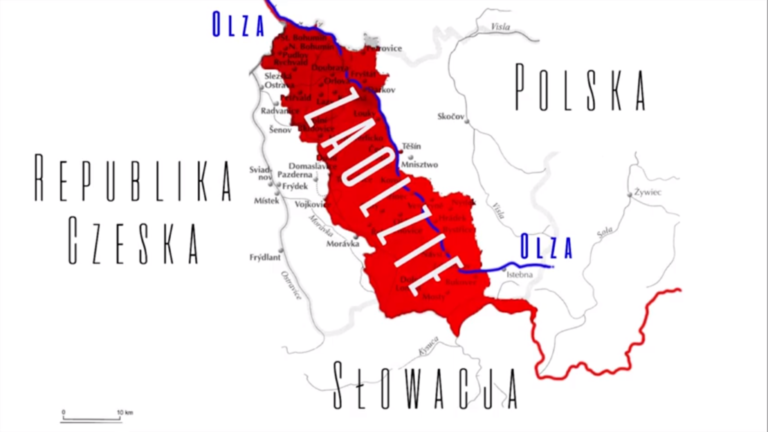
Zaolzie as an Instrument of Influence: An Attempt to Revive a Polish-Czech Territorial Conflict

The information campaign that unfolded in Poland and the Czech Republic in August 2026 around Cieszyn Silesia bears the hallmarks of a coordinated influence operation. It combined the hacking of…
Read More
August 27, 2026Tags: Czech Republic, Poland, Russia, Slovakia
Beyond Disinformation: Russia’s Campaign to Undermine French Democracy Ahead of 2027
Posted ininfluence ops National Security Propaganda and Disinformation

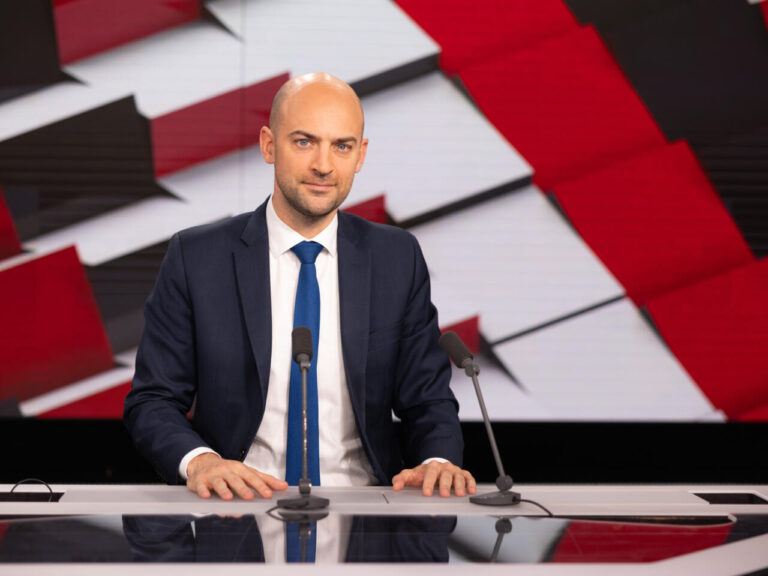
Beyond Disinformation: Russia’s Campaign to Undermine French Democracy Ahead of 2027

France Moves From Countering Russian Disinformation to Confronting Foreign Interference French Minister for Europe and Foreign Affairs Jean-Noël Barrot has called on Paris to adopt a tougher and more systematic…
Read More
August 21, 2026Tags: France, Russia
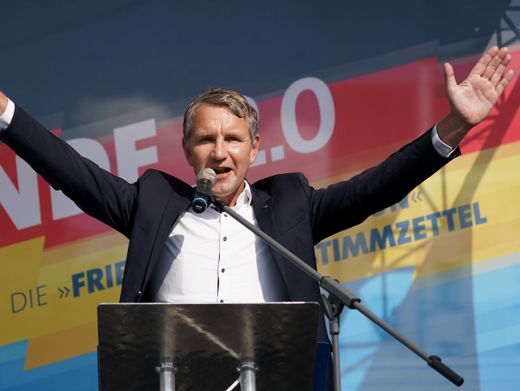
When Radicalism Becomes Politics: The AfD, the “Saxon Separatists,” and the Threat of “Day X”
Posted inGovernance influence ops Terrorism

When Radicalism Becomes Politics: The AfD, the “Saxon Separatists,” and the Threat of “Day X”

Björn Höcke, leader of the AfD’s Thuringia branch, has consistently defended three former party members who are defendants in the case involving the so-called “Saxon Separatists” (Sächsische Separatisten). Germany’s Federal…
Read More
August 17, 2026Tags: AfD, Germany

Posts pagination

1 2 3 Next page

Partner Institutes

The Center for Nationalism Studies (CNS)

Headquarter: director@lansinginstitute.org

Africa: africa@lansinginstitute.org

America: america@lansinginstitute.org

Asia: asia@lansinginstitute.org

Europe: europe@lansinginstitute.org

Headquarter:
19 Holly Cove Ln., Dover,  Kent,  Del., 19901.

Phone: +1 302.499.20.07

European branch:
La Grande Arche – Paroi Nord La Défense FR,
1 Tunnel de Nanterre-La Défense, 92044 Paris, France
Phone: +33 695.42.57.44

Copyright 2019-2026— Robert Lansing Institute e. All rights reserved.
Scroll to Top